Tuesday, May 26, 2026
Today's Edition

EveryNews

Stories that matter, signal over noise

Politics

Poland’s president says he was not informed about the transfer of MiG-29s

Karol Nawrocki said he had not received information about the transfer of Polish MiG-29s to Ukraine. The head of international policy at the presidential office confirmed he had not been notified; the president intends to discuss the matter with the defense minister.

Tetiana Suchkova-Ladik

By Tetiana Suchkova-Ladik

December 11, 2025 · 1 min read
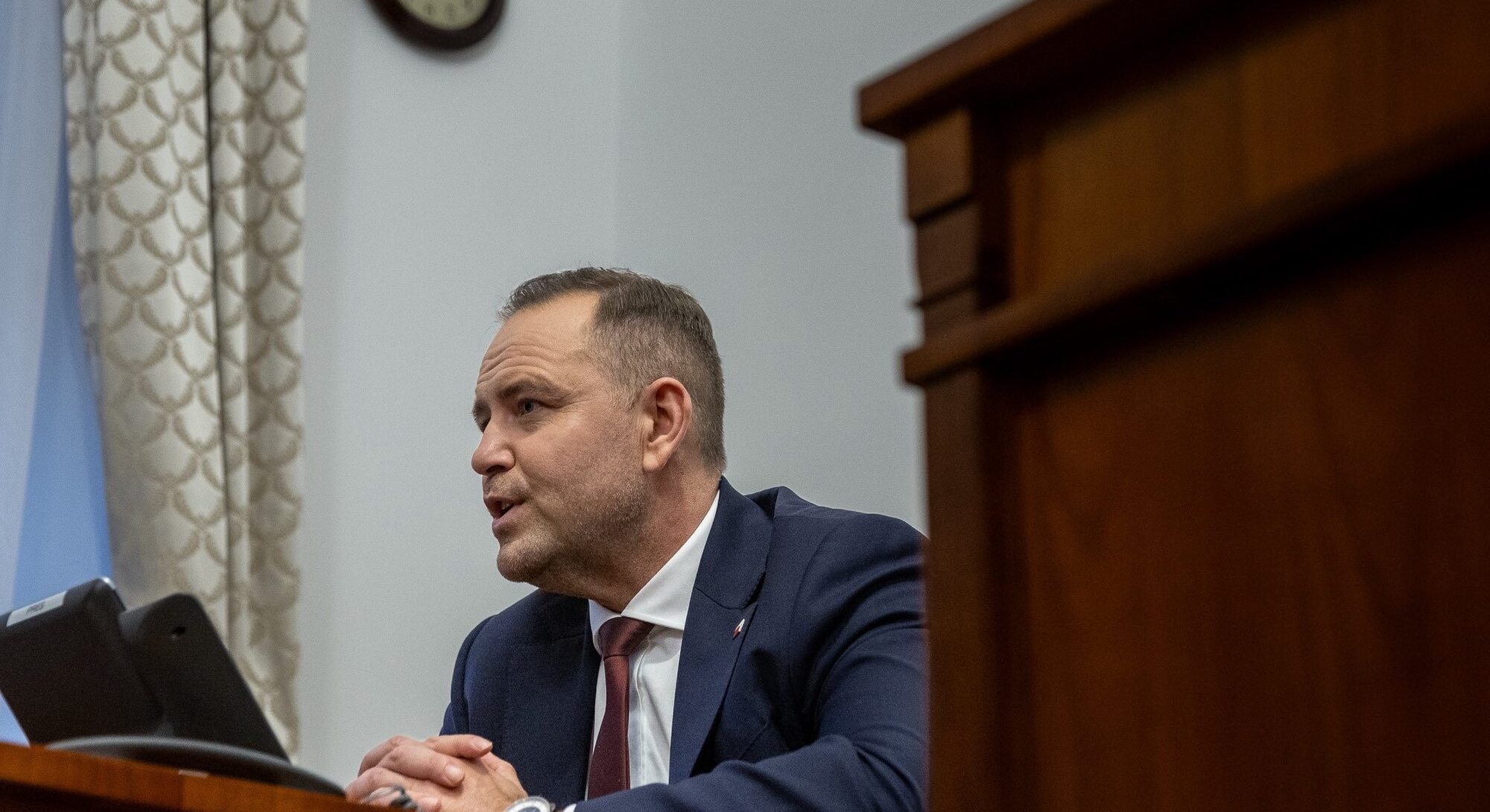
Poland’s president says he was not informed about the transfer of MiG-29s

The president was not informed

President of Poland Karol Nawrocki said he was not informed about talks on transferring Polish MiG-29s to Ukraine. He made the remark during a press conference in Riga.

Head of the Office of International Policy Marcin Przydacz confirmed that the president's administration did not receive notice of the planned transfer of the fighters. Nawrocki suggested that a misunderstanding had occurred and promised to resolve the matter with Defense Minister Władysław Kosiniak-Kamysz.

Apparently there was a misunderstanding. I did not receive official information about transferring MiGs to Ukraine

– Karol Nawrocki

Progress of negotiations

On 10 December Polish military officials said they were negotiating with Ukraine over the transfer of MiG-29s that have reached their established service life in Poland. In return, Poland expressed an intention to obtain technologies for missiles and drones.

Earlier, in May, the head of the Polish embassy said that transferring MiG-29s was possible and would depend on the position of the Ukrainian side.


Related

Latest

Business

EU Against Google: Why the Latest Fine Could Change More Than Previous Ones

# European Regulators Target Google Again — This Time Over Digital Markets Act Violations. What's Behind the Accusations and Why It Matters Beyond the Corporation European regulators have renewed their scrutiny of Google, this time focusing on alleged violations of the Digital Markets Act. The charges underscore Brussels' increasingly aggressive stance on big tech monopolies and what officials say are anticompetitive practices. The accusations center on how Google leverages its dominance across multiple digital services — from search to advertising to mobile platforms — to disadvantage competitors. Regulators claim the company is using its market power in ways that stifle innovation and limit consumer choice. The case carries significance far beyond Google itself. It signals how the EU is attempting to enforce its landmark Digital Markets Act, legislation designed to curb the gatekeeping power of tech giants. A potential penalty could set precedent for how other large technology companies face similar scrutiny. For consumers and smaller tech firms, the outcome could reshape the digital landscape by creating more room for competition. For Google, fines and operational restrictions could fundamentally alter its business model in Europe, the world's most stringent regulatory market. The case also reflects a broader geopolitical divide, with the EU pursuing a regulatory approach that contrasts sharply with the lighter-touch oversight favored in the United States.

May 26, 2026

