Offer of help or media noise: why Heraskevych's team did not receive requests from Yermak
Athlete’s lawyer at a press conference: the team learned about possible offers from the media — there was no direct approach. Why this matters for legal work and the image of sport during the Olympics.

By Tetiana Suchkova-Ladik
February 19, 2026 · 2 min read
What the team says
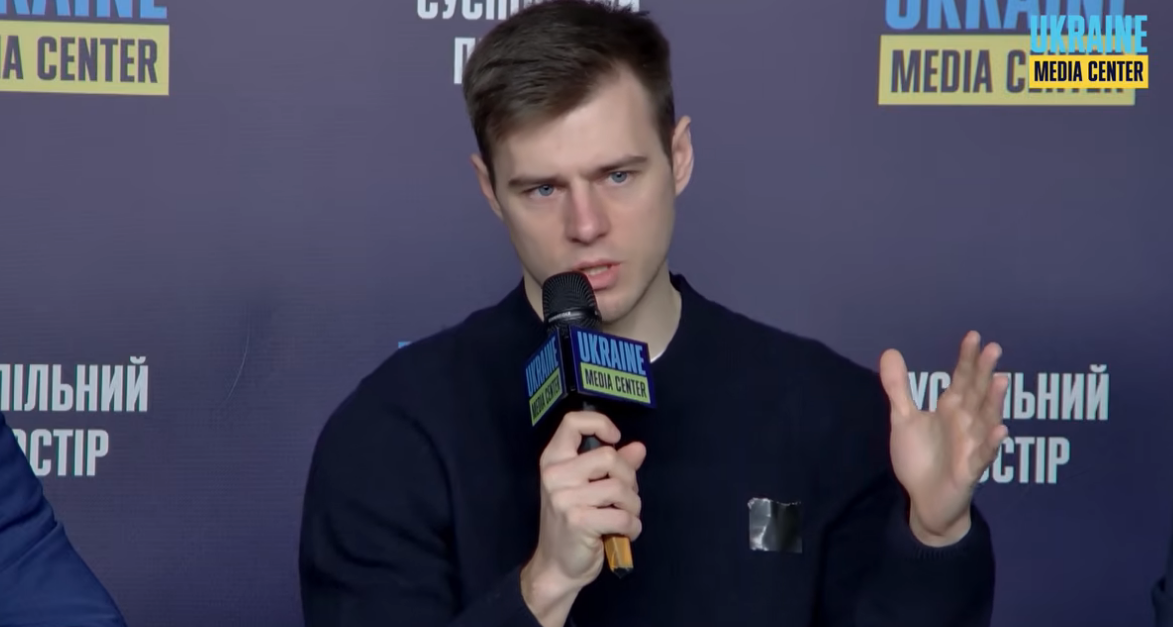
Vladyslav Heraskevych's lawyer Yevhen Pronin, at a press conference, confirmed that the team did not receive direct offers of representation from public figures — in particular from former Head of the President’s Office Andriy Yermak. The claim that Yermak allegedly called and offered to join the case was made to Ukrainska Pravda by lawyer and veteran Masi Nayyem; the team itself learned about it from the news.
"We learned about it from the news. No one approached us with such communication"
— Yevhen Pronin, Heraskevych's lawyer
Context and why it matters
This episode is not just about personal contacts. It shows how political and public gestures can create additional informational noise that interferes with professional legal work. As Pronin explained, the team has its own expertise in sports arbitration (more than 12 years of practice), and unwanted publicity can distract from a defense strategy.
At the same time, another important aspect is that, during the Olympics, the athlete is subject to IOC rules, in particular Rule 40, which restricts public integrations and contacts with the media during the competition. Heraskevych himself said he will comment on public support only after the relevant restrictions expire.
Actions of institutions
The NOC of Ukraine officially appealed to the IOC asking to allow the athlete to compete in the so-called "memory helmet." The IOC replied that the helmet could not be used, but allowed a black armband. Because of the intention to compete in the helmet, on February 12 Heraskevych was disqualified before the first run of the 2026 Olympics in skeleton. The team filed an appeal to the Court of Arbitration for Sport — it was rejected.
Timeline of key events
February 9: Heraskevych reported that an IOC official had banned a helmet with images of those killed as a result of Russian aggression.
February 10: The NOC appealed to the IOC; the IOC allowed only a black armband.
February 12: Heraskevych was disqualified before the first run; the appeal to the Court of Arbitration for Sport was rejected.
What next?
The situation has two parallel logics: a legal one — where the team focuses resources on procedural steps in arbitration and work with international institutions; and a public one — where external statements create expectations and risk politicizing the case. Lawyers and analysts note that an effective defense strategy requires discipline in communications.
The most likely scenario in the near term is a continuation of legal procedures and restraint from public escalation until the IOC restrictions end. So far, public offers of help remain more part of the information background than a practical resource for the athlete's team.
Whether this will change society's attitude toward combining sport and the remembrance of the dead is a question whose answer will depend on the subsequent tactics of both the athlete's team and international sports institutions.



