Setback on the Siverskyi Donets: How the 81st Brigade Thwarted the Russians' Attempt to Secure Positions for Artillery and Drones
The occupiers attempted to cross near Dronivka to establish a bridgehead for artillery and UAVs — but early detection and precision strikes foiled the operation. We explain why this matters for the front.

By Tetiana Suchkova-Ladik
January 5, 2026 · 2 min read
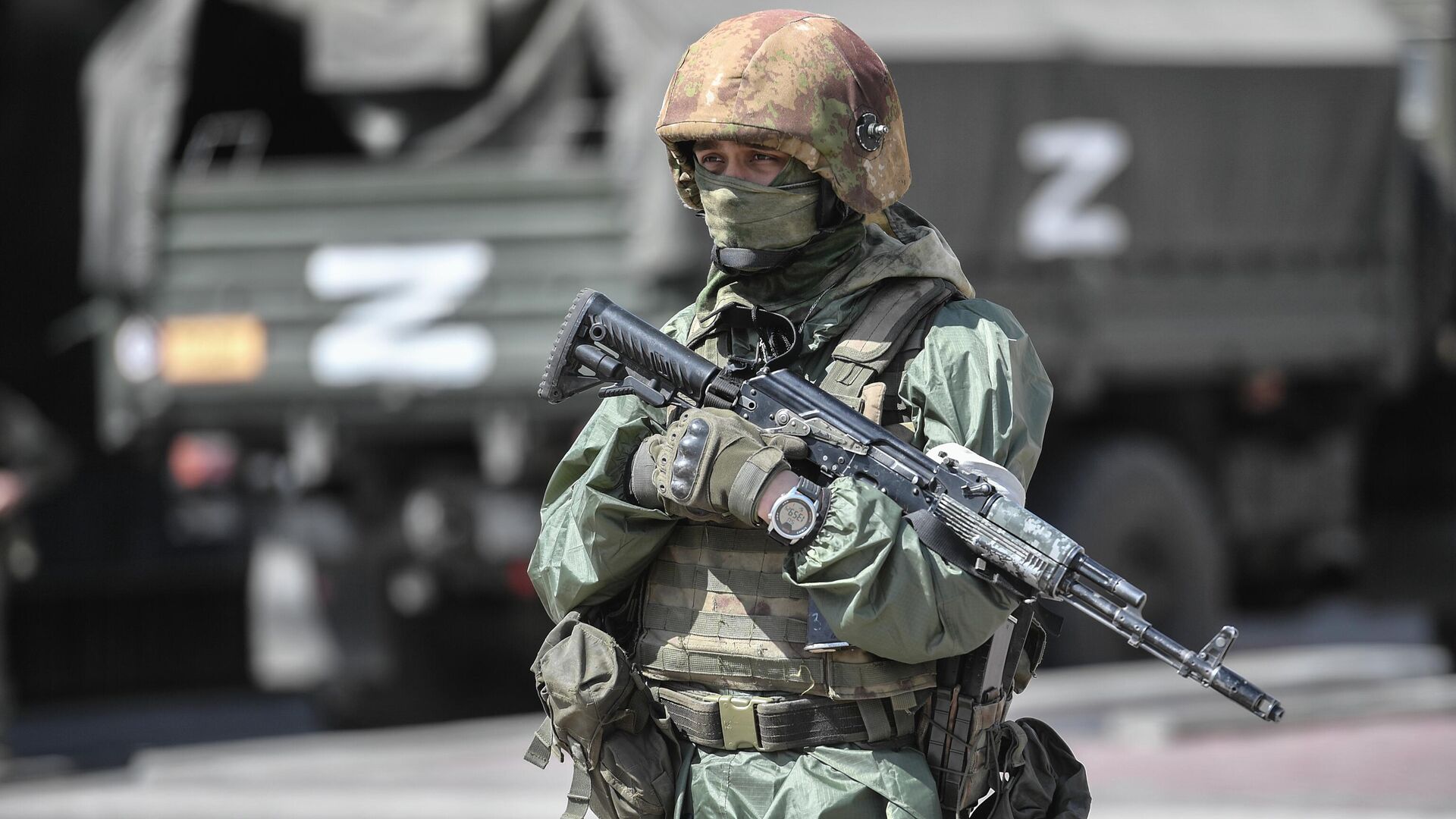
Failed attempt to force a crossing on the Siverskyi Donets
Systematic intelligence work and fire control prevented Russian units from establishing themselves on the river's right bank near Dronivka. According to the press service of the 81st Separate Airmobile Brigade, the occupiers attempted to ferry personnel in motorized rubber boats from the Yampil side in the areas of Dronivka, Platonivka and Zakitne.
The objective was clear: to gain a coastal strip for deploying artillery and UAVs operators, and to control logistical routes — in particular the Siversk–Zakitne road. However, Ukrainian units detected the enemy in advance and struck landing groups and static targets, disrupting the crossing attempts.
"Such coordinated actions make it possible to stop the Russians' advance towards the village of Dronivka and other settlements located in the area of responsibility"
— Press service of the 81st Separate Airmobile Brigade
Tactical significance
Control of the riverbank is not just about territory; it is the ability to create a bridgehead for long-range strike systems and unmanned reconnaissance. If the enemy secures it, they gain significant advantages in fire correction and in delaying the logistics of our units. That is why these attempts matter so much to us.
According to the brigade, the situation in the area of responsibility remains tense: the enemy is operating in small groups, trying to infiltrate across the Siversk–Zakitne road, and to bring up artillery near the northeastern outskirts of Dronivka and the Serebrianske forestry. Earlier, on December 22, the brigade warned that the occupiers sought to seize Serebrianka and Dronivka to occupy the heights near Zakitne and Platonivka.
What this means going forward
The tactical failure highlights two things: the effectiveness of our units' early detection and response, and that the enemy continues to seek weak points in logistics and terrain. Maintaining the advantage in this sector means not only destroying landing groups but also blocking the possibility of deploying artillery positions and UAV command points.
Whether the enemy will repeat the attempt to force a crossing under the cover of massed fire or change tactics — our next move will depend on that. For now, the result by the 81st brigade is a signal to the front and partners: systematic work delivers results, but the threat has not disappeared.



