PURL under supervision: U.S. assures that equipment for Ukraine is not being redirected — Sybiha
After the G7, the foreign minister announced direct guarantees from the United States and a new contribution to the PURL program. Why is this important for air defence and the continuity of supplies to the front?

By Tetiana Suchkova-Ladik
March 29, 2026 · 2 min read
Guarantees from the capital of partners
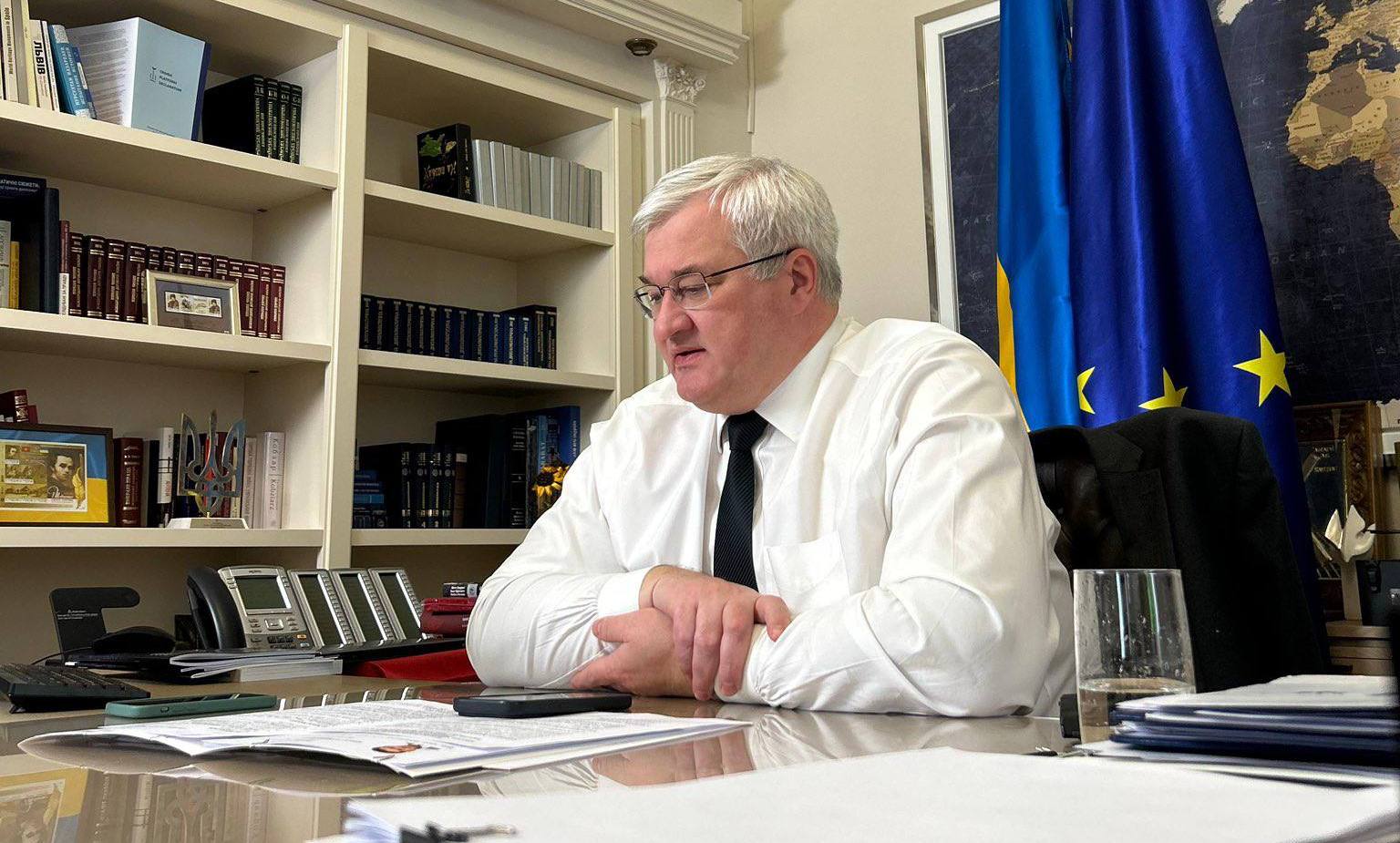
Ukraine received clear assurances from the American side: equipment and weapons purchased under PURL have not been redirected to other regions and there are no such plans for now. This was stated by Minister of Foreign Affairs Andriy Sybiha in an interview with Ukrinform following the ministerial portion of the G7 summit.
"There are very important assurances from the American side in the context of PURL… nothing has been redirected from this program to other geographic areas — neither from those funds nor from that equipment which is intended for Ukraine."
— Andriy Sybiha, Minister of Foreign Affairs of Ukraine
According to Sybiha, a similar formulation was voiced by members of the U.S. Congress. In particular, he relayed the words of Senator Marco Rubio, that no redirections are taking place at the moment (quote conveyed by the minister).
"Nothing has been redirected anywhere…"
— Marco Rubio, U.S. Senator (quote as conveyed by Andriy Sybiha)
Why this matters
PURL is a mechanism that allows rapid transfer of weapons from U.S. stockpiles, paid for by partners, without lengthy procurement procedures. In wartime such responsiveness is critical: it ensures continuity of supply of munitions and systems that strengthen our air defense (AD) and defensive capabilities at the front.
At the same time, the day before, the Washington Post reported on discussions within the Pentagon about the possibility of reallocating part of the stocks to the Middle East due to the depletion of certain munitions. American officials simultaneously assured that they are not currently redirecting equipment intended for Ukraine, but did not rule out such risks in the event of escalation on other fronts.
What’s next
The key conclusion — verbal guarantees must be backed up by actions: regular contributions from partners, transparent reporting on PURL replenishments, and mechanisms to monitor the intended destination of shipments. Sybiha also said that another country has joined the program, though he did not disclose its name — a signal of trust and an expansion of the instrument.
Analysts stress that while declarations are important, the real test is the resilience of logistics and stockpiles in the event of simultaneous crises. Will that be enough to safeguard Ukrainian defensive lines from potential future diversions? The answer depends on the speed of funding, transparency, and the political will of partners.



