Putin Proposed, Iran Didn't Ask, Trump Against: Who Really Launched the Idea of Transferring Uranium to Russia
A leaked 14-point plan from Tehran has sparked diplomatic confusion: Blinken denies the scheme that, according to Al Arabiya, Iran itself proposed, but which Washington never considered.

By Tetiana Suchkova-Ladik
May 20, 2026 · 2 min read
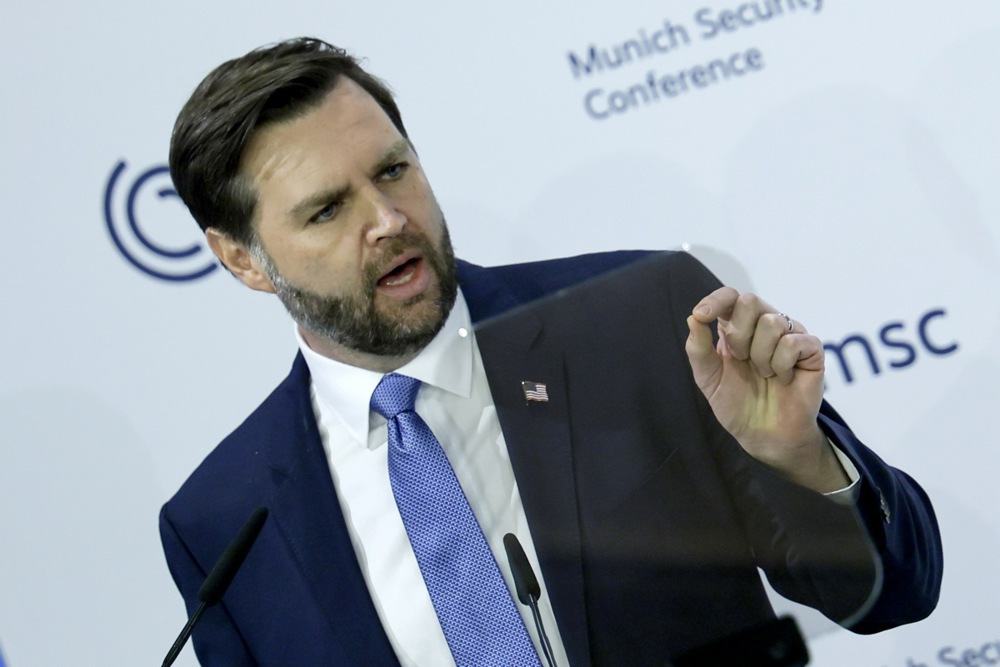
On May 19, at a White House briefing, US Vice President JD Vance responded to a report that had already made headlines across global news agencies: allegedly, as part of nuclear negotiations, Iran would agree to transfer 400 kg of enriched uranium — but not to Washington, but to Moscow.
"That is not our plan right now. That has never been our plan. I've seen some reporting on this. I don't know where it's coming from."
JD Vance, White House briefing, May 19, 2025
Where "it" is coming from — the answer exists
According to Al Arabiya, which obtained the information from a leak of Iran's 14-point plan sent to a Pakistani intermediary, Tehran indeed proposed to freeze its nuclear program — but not dismantle it. The enriched uranium was supposed to go to Russia, not the United States. Simultaneously, Iran rejected demands for compensation and proposed phased resumption of trade.
Key nuance: Vance himself added that, in his view, Iran is also not particularly interested in such a scheme — meaning the leak may reflect one of the working versions of the negotiating position rather than a final proposal.
Putin proposed it earlier
The idea of transferring Iranian uranium to Russia is not an Iranian invention. According to American media, in early May, Vladimir Putin personally proposed taking enriched uranium under IAEA control by placing it in Russia to facilitate negotiations between Tehran and Washington. In other words, the leaked Tehran plan could have been a response to the Russian initiative rather than an independent decision.
What's at stake
The IAEA assessed Iran's uranium reserves at approximately 440 kg enriched to 60% — below the weapons-grade level of 90%, but sufficient for further advancement. Trump, according to reports, set five preconditions for negotiations, the first of which is the transfer of these 400 kg to the United States, not a third party. In other words, the Russian option contradicts not only Vance's position but also Trump's documented demand.
- Iran proposes a freeze instead of dismantling — a principled difference for any future verification regime.
- The United States insists on direct transfer of uranium to Washington, not to an intermediary.
- Russia positions itself as a guarantor of the agreement — a role that would give it leverage in the region regardless of the negotiation outcome.
On May 19, Trump also stated that he halted a "massive strike" planned for that same day but warned: if an acceptable agreement is not reached — the strike will happen.
If Tehran truly sent a Pakistani intermediary a plan involving uranium transfer to Russia, and Washington officially knew nothing about it — negotiations are being conducted on at least three parallel tracks simultaneously. Whether the Pakistani channel is coordinated with the American one or is an independent Iranian game on multiple fronts — the answer to this question determines whether any agreement is possible before the next round of negotiations.



