Rada granted a one-year deferment to contract soldiers aged 18–24: what has changed and how it will affect the reserves and security
The Verkhovna Rada has adopted law No. 13574: young service members who served under the "18–24" contract are exempt from compulsory conscription for one year. We examine why this decision matters now and what risks it does not eliminate.

By Tetiana Suchkova-Ladik
February 11, 2026 · 2 min read
Summary
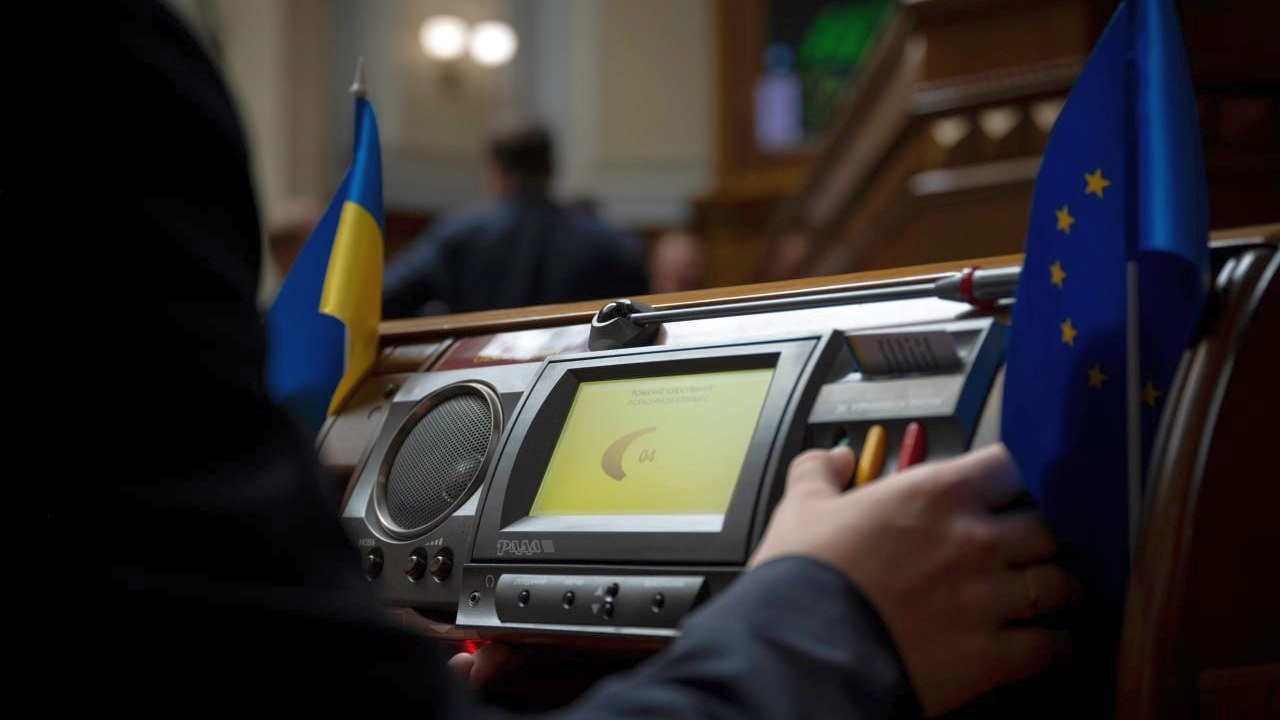
The parliament voted the bill No. 13574 in full — 243 MPs voted "for". The document establishes a one-year deferment from mobilization for those who served under the "18–24" contract. The decision combines the personnel policy of the Ministry of Defense with social guarantees for young contract servicemembers, but at the same time raises questions about short-term availability of the mobilization pool.
What was adopted
The law stipulates that persons liable for military service and reservists who, during martial law, were accepted for military service under a one-year contract (from among citizens aged 18 to 25) and were discharged from military service, are not subject to conscription for military service during mobilization for 12 months after discharge. However, they may be called up with their consent.
"are not subject to conscription for military service during mobilization for 12 months the persons liable for military service and reservists..."
— Text of bill No. 13574
What the "18–24" contract is
This is an initiative of the Ministry of Defense launched in February 2025 to attract youth who are not of mobilization age to serve on a contractual basis. The program offers significant incentives: UAH 1 million in total (of which UAH 200,000 is paid immediately), a zero-interest mortgage and other benefits. The idea is to quickly prepare a personnel reserve and encourage voluntary enlistment instead of forced mobilization.
Why this happened (rationale)
First, it is a motivational tool: the state pays and provides social guarantees so that young specialists come and gain combat experience without the need to resort to coercion. Second, it is a response to a political and social demand: past cases where young people became again liable for service after a year of service created tension — MP Roman Kostenko reminded of this in an interview with Channel 24 when speaking about the risks of a return to automatic summonses.
However, there is a counterargument: in the short term the deferment reduces the mobilization pool of available reservists, which requires the Ministry of Defense to adjust plans for filling vacancies and rolling out training programs.
What’s next
The practical effect will depend on two factors: how many young people take up the "18–24" contract, and how the state uses the one-year period granted to them (professional training, adaptation to civilian life, housing programs). This decision is a step toward formalizing a system of incentives, but it does not solve all personnel challenges. The task for the Ministry of Defense and parliament now is to turn declarations into concrete personnel outcomes: how many servicemembers will remain in the ranks, how many will return to the civilian sector, and how this will affect operational readiness.
Questions for public oversight: will there be reports on how the one-year deferment is used — for training, employment or housing support for those who served? The answer will determine whether the law becomes an effective tool of security and social justice, rather than just a formal guarantee.



