Ramstein-33: partners announced nearly $38 billion — focus on air defense and drones
Announcements in Brussels — more than just numbers. Most of the funds will go to air defense and attack drones — what this means for the front lines and for 2026.

By Tetiana Suchkova-Ladik
February 12, 2026 · 2 min read
What was announced at Ramstein
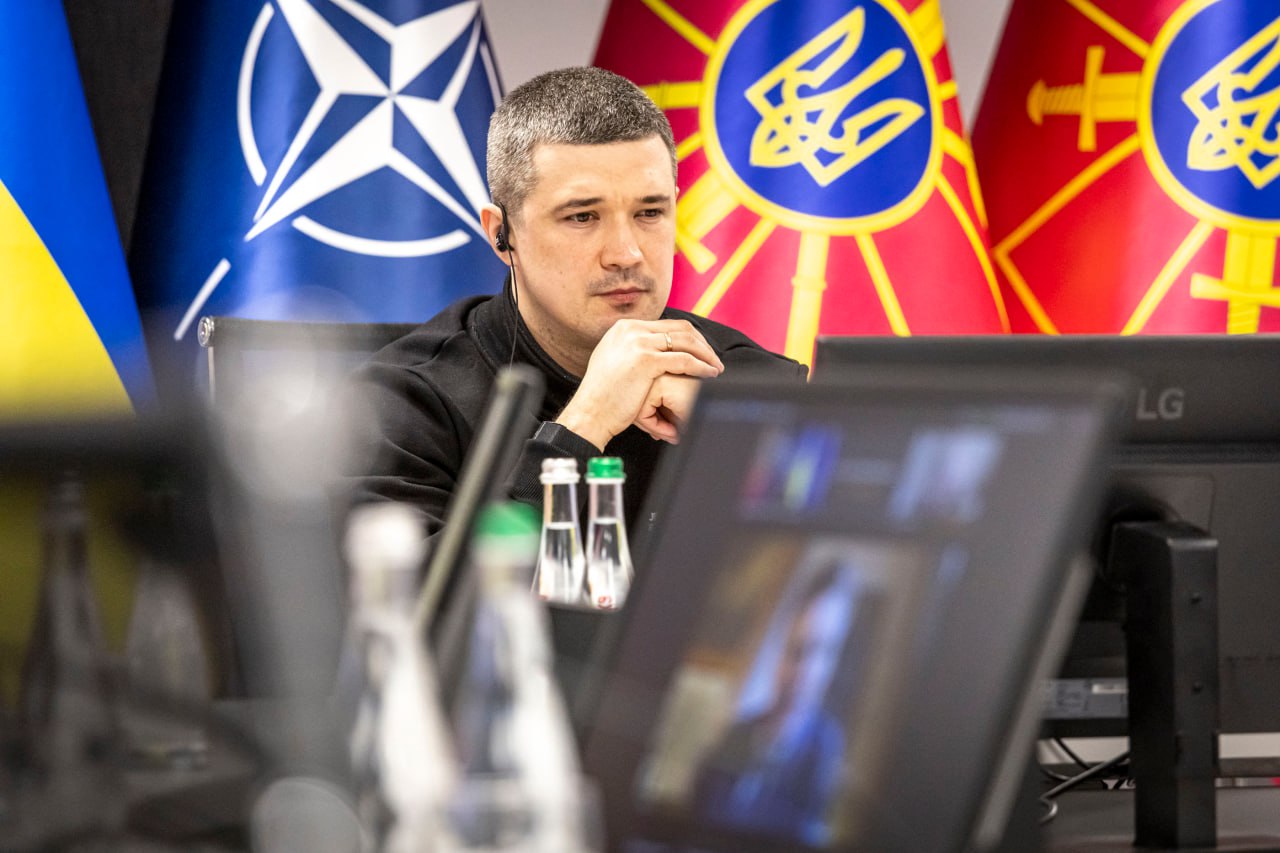
At the 33rd meeting of the Ukraine Defence Contact Group in the “Ramstein” format, partners announced military aid of almost $38 billion. This was announced at a briefing in Brussels by the Minister of Defense Mykhailo Fedorov, who said that about $35 billion has already been confirmed.
Where the money will go
According to the minister, a significant portion of the announced package is for strengthening air defense systems and developing unmanned strike capabilities. This includes interceptors, long-range UAVs and resources to form drone-assault units.
"We are building a Ministry of Defense capable of stopping the enemy on land, in the air and at sea, and also ensuring that Russia cannot finance this war. All our efforts are focused on achieving these goals already in 2026."
— Mykhailo Fedorov, Ukraine's Minister of Defense
Why this matters
What dominates the structure of the aid is more important than the total sum. Air defense reduces the enemy’s ability to carry out massed strikes on civilian infrastructure and supply convoys, while strike drones make it possible to hit logistics and enemy concentrations at long range. Together this raises the price of aggression for Russia and creates conditions to pressure its financial and material resources.
Additional signals
- On 12 February 2026 the United Kingdom announced it would allocate more than £500 million (≈ $730 million) for air defense systems and missiles for Ukraine (according to the UK Ministry of Defence).
- On 11 February several European sources, including commentators in The Financial Times, noted that European countries had nearly made up for reductions in support from the United States following changes in Washington.
Risks and next steps
Announcements are the first step. It is important that declarations turn into signed contracts, logistics and maintenance. Analysts note that delivering complex air defense systems requires time, training of personnel and a secure supply line for munitions.
Now the key question: will these announcements turn into real deliveries in volumes and at a pace that change the balance of power in favor of Ukraine by 2026?



