Early versions of the peace plan envisaged a buffer zone in the Donbas
In initial drafts of the U.S. plan, it was proposed to create a neutral demilitarized zone in the Donetsk and Luhansk regions, from which Ukrainian forces would be withdrawn while Russian forces would remain in place; Kyiv warns of the risk of a frozen conflict.
By Oleg Bazylewicz
December 11, 2025 · 2 min read
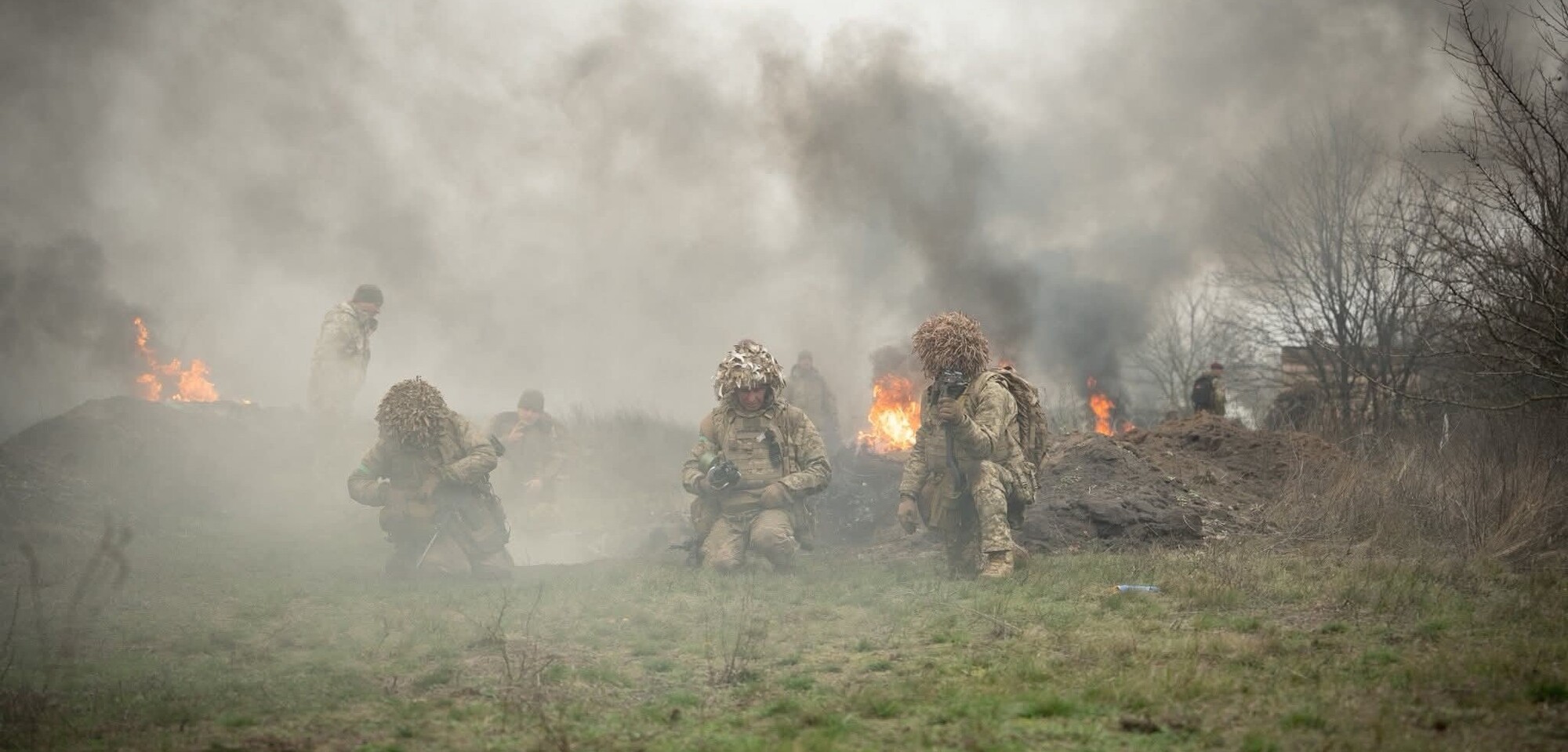
In the initial versions of the US peace initiative, it was envisaged to establish a neutral demilitarized buffer zone within Donetsk and Luhansk oblasts. The proposal suggested withdrawing the Armed Forces of Ukraine from this zone, while Russian units would remain.
Conditions of demilitarization
The document envisaged granting this strip international recognition as territory belonging to the Russian Federation, which would make it possible for its troops to remain there without any requirement to withdraw.
According to information familiar with the negotiation process, officials of US President Donald Trump's administration in recent weeks insisted on arrangements for territorial exchanges, which they considered an integral part of a potential agreement between Kyiv and Moscow. Special Representative Steve Witkoff particularly pressed for this.
Kyiv's position
Ukrainian participants in the discussions compared the proposed format to the zone that divides North and South Korea: they argued that such a decision could provide a long-lasting but indecisive peace — effectively a freezing of the conflict, during which Russia would be able to regroup its forces for further offensives.
A senior Ukrainian official familiar with the latest version of the plan said that the text does not include a requirement for Russia to withdraw its troops from the area that would become the eastern border of the demilitarized strip.
Territorial coverage and timeline of statements
Control over the Donbas under these proposals would mean the subordination of the "belt of fortresses" — Pokrovsk, Kostiantynivka, Druzhkivka, Kramatorsk, and Sloviansk — cities that hold a strategic line of defense in eastern Ukraine.
- On December 5, Commander-in-Chief of the Armed Forces of Ukraine Oleksandr Syrskyi said that Russia is using the negotiation process to seize as much territory as possible.
- On December 8, President Volodymyr Zelensky emphasized that Ukraine has no right to give up land and that the US is allegedly seeking compromise options.
- On December 11 it became known that the US handed European partners a plan for the gradual return of Russia to the global economy.



