Reza Pahlavi Warns the US: Talks With Tehran Could Simply Buy Time and Pose a Security Risk
At a conference in Texas, the son of the Shah of Iran described peace talks as "a trap." We examine why his warning matters for U.S. security, regional stability, and international diplomacy.

By Tetiana Suchkova-Ladik
March 29, 2026 · 2 min read
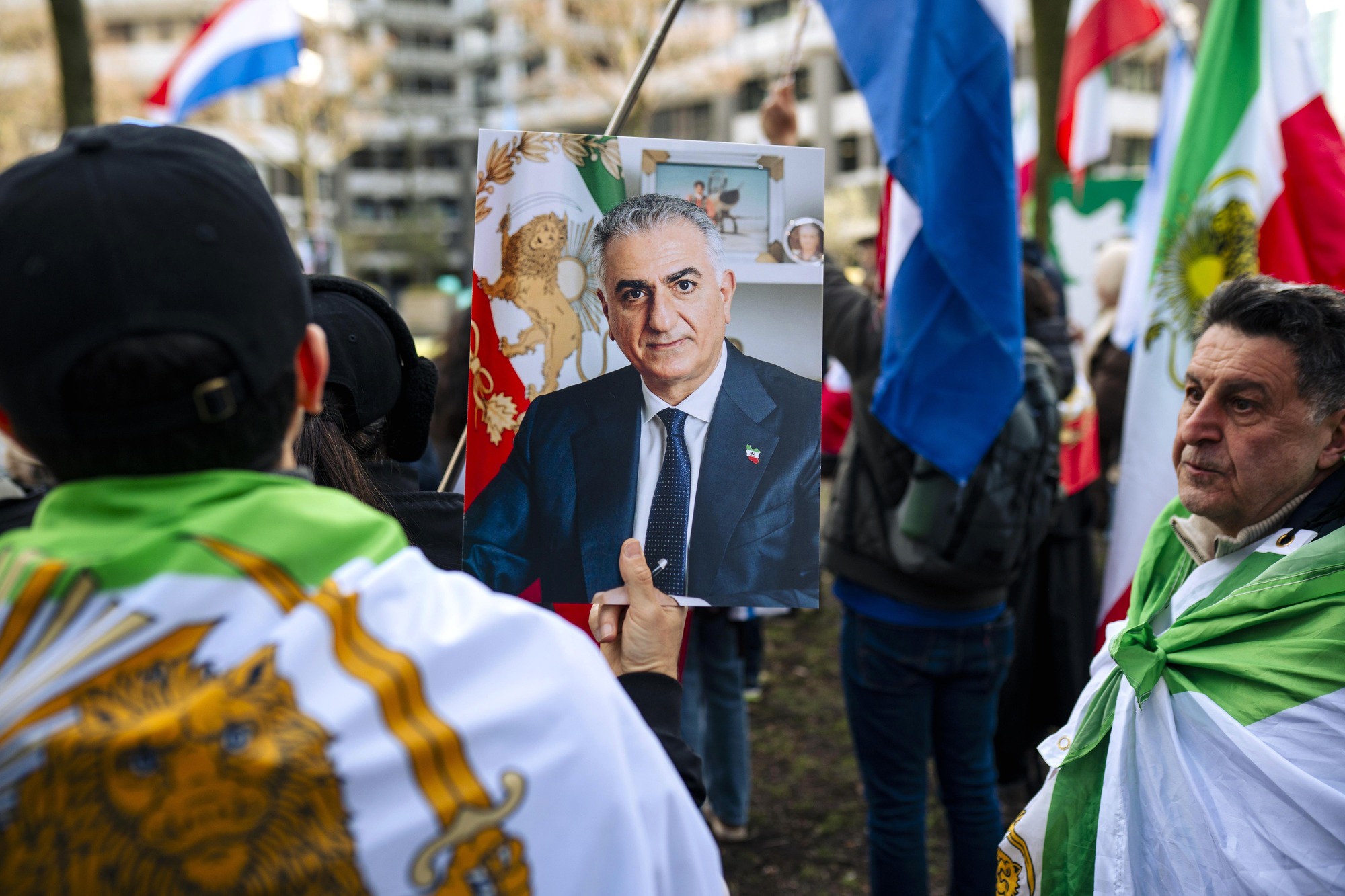
What happened
At a conservative conference in Texas, the son of the shah of Iran deposed in 1979, Reza Pahlavi, said that talks with Tehran’s current leadership will not remove the threat to the United States, but will rather allow the regime to buy time. The speech, quoted by the agency Reuters, was met with applause from the audience and amplifies the voice of the Iranian diaspora against the Islamic Republic.
"The only thing you can expect from the remnants of this regime is buying time, deception and theft. They will never be honest or genuine partners in the cause of peace"
— Reza Pahlavi, son of the shah of Iran
Why it matters
Pahlavi offers not an emotional but a pragmatic warning: in his view, negotiations can serve as a tool to delay the regime’s hardline policies rather than to change them. This claim gains weight against the backdrop of recent diplomatic signals — on 23 March 2026 Donald Trump said that the US and Iran had reached agreement on certain points of the talks (according to media reports), while the NYT wrote about a 15‑point US plan that Tehran characterized as "one‑sided and unfair."
- 23 March 2026 — according to Trump, agreement was reached on some points.
- According to the NYT, the US sent Iran a 15‑point plan to halt hostilities; Tehran called the proposal one‑sided.
- Media also reported that the Crown Prince of Saudi Arabia is urging Trump not to ease pressure on Iran.
Context: who is behind the voice of the opposition
Pahlavi positions himself as a possible head of a transitional government and declares his readiness to return to Iran. However, the Iranian opposition is fragmented: there are ideological and organizational differences, as interviews with opposition leaders (including LIGA.net and other sources) indicate. Donald Trump has repeatedly expressed doubts about Reza Pahlavi as a sole solution, calling an internal leadership movement a potentially better option.
Consequences and what's next
Pahlavi’s stance aligns with a classic dilemma: can agreements with the regime be verified and become a long‑term solution without control mechanisms. For the US and its partners this is a test of trust — whether diplomatic guarantees will be sufficient to avoid a renewed escalation. For the region and global security, the risk is that declarations will turn into temporary respites for Tehran’s aggressive policies.
For Ukraine this case is important as an example: allies will balance between dialogue and pressure, choosing tools that guarantee real results. Visible agreements are not yet equal to verified guarantees, and partners’ ability to secure the latter will determine how real the reductions in security risks will be in the broader international context.
Putting rhetoric aside and looking at the facts: whether the agreements will now be turned into control mechanisms — that is the key question for Western security and regional stability.



