Russia strengthens its presence in Transnistria and sets up drone production
The Main Directorate of Intelligence warns of the deployment of UAV production in Transnistria, the removal of weapons from storage and mobilization measures; the risk of sabotage groups infiltrating Ukraine is increasing.

By Tetiana Suchkova-Ladik
December 10, 2025 · 1 min read
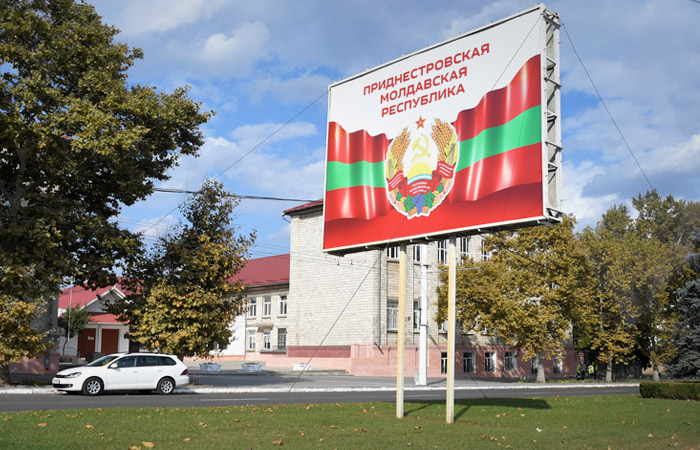
Activity in the region
A representative of the Main Directorate of Intelligence (GUR) reported that in the self-proclaimed Transnistria Russia has resumed storage and begun deploying production of unmanned aerial vehicles, and is also reactivating weapons in depots.
According to him, Moscow is increasing its presence in this part of Moldova in order to divert Ukraine’s attention and resources because of the threat from the Russian enclave.
Measures and structures
Mobilization measures have been intensified in the region: reservists are being called up into military units, and equipment and ammunition are being restored at arsenals. At the same time, UAV production is being rolled out and centers for training drone operators are being established.
According to intelligence, Russia is also deploying personnel from its security services to Transnistria, tasking them with exacerbating crises, spreading disinformation, organizing provocations, and carrying out sabotage operations.
Goals and risks
GUR believes these steps are aimed at strengthening Russia’s position in the region: to use Transnistria to destabilize Moldova and create a point of tension near Ukraine’s southern border.
The intelligence assessment is that, against this backdrop, the likelihood of sabotage groups infiltrating Ukrainian territory from Transnistria is increasing.
In addition, the agency links the Kremlin’s current activity to preparations for a hybrid operation with a political component ahead of the so‑called 2026 elections for the “president of the PMR”: the goal is to restore the region’s energy dependence on the Russian Federation, raise the ratings of pro‑Russian leaders, and covertly increase the military presence for possible further escalation.
After Gazprom halted supplies in early 2025, the Moldovan authorities averted a critical situation in Transnistria: the region now purchases its key energy resource from Moldovagaz.
- On 13 June 2025 the President of Moldova confirmed the risk of additional Russian troops being stationed in unrecognized Transnistria.
- In July she said that genuine negotiations between Russia and Ukraine could create conditions for the withdrawal of Russian troops from Transnistria.



