Russia is preparing the information groundwork to refuse to recognize elections in Ukraine — Zelensky warns
The Kremlin, according to the Office of the President, is shaping narratives that would enable it to declare the election results "illegitimate." We explain what this means for the security of voting and what steps are needed to safeguard legitimacy.

By Oleg Bazylewicz
December 27, 2025 · 2 min read
What the president said
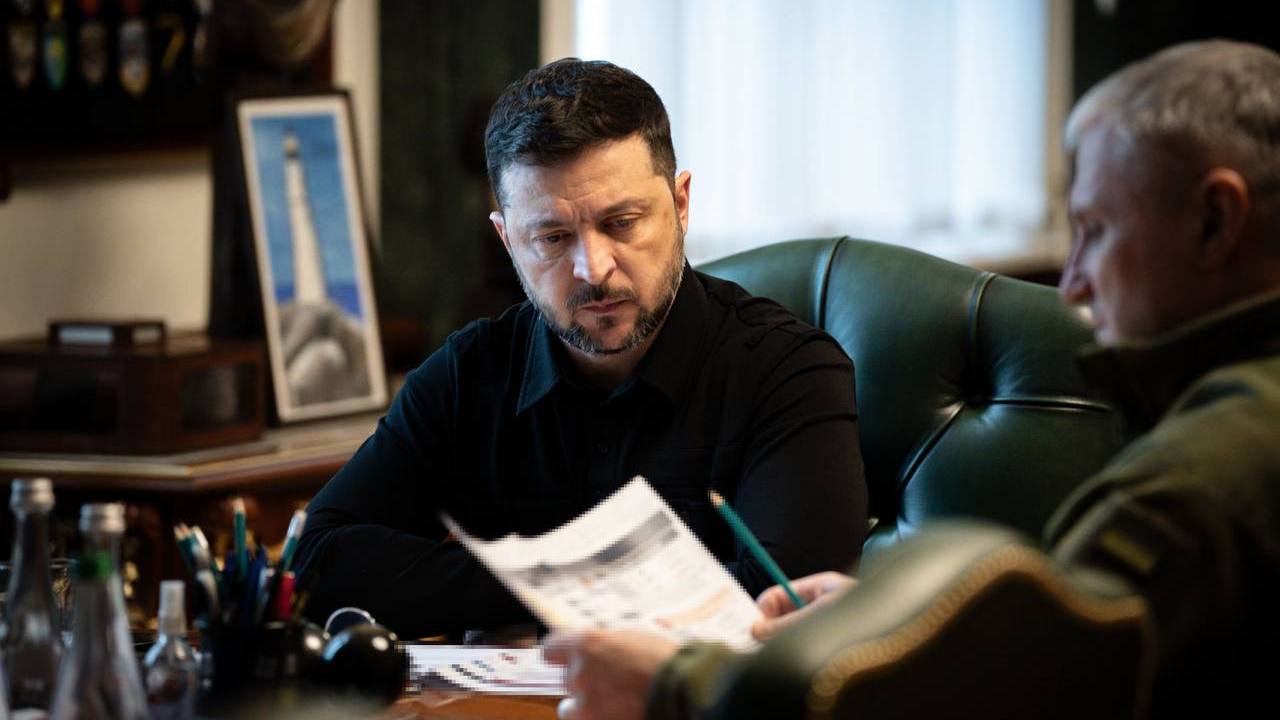
Volodymyr Zelensky reported that Russia is already mounting an information campaign aimed at preparing the ground to refuse to recognize possible presidential elections in Ukraine. The president confirmed his political readiness to hold elections, but stressed that the key is ensuring security for citizens and creating the legal and international basis for recognizing the results.
"Russia itself is illegitimate and therefore will send messages about the illegitimacy of Ukrainian authorities"
— Volodymyr Zelensky, President of Ukraine
What exactly is causing concern
According to a statement from the Office of the President, the head of state heard a report from the Foreign Intelligence Service: the Kremlin's task is to show that allegedly "many people live in Ukraine who have the right to vote," including those who are on the territory of Russia or in temporarily occupied territories. This provides a tool for manipulation — to overstate the scale of participation of certain groups and then call the legitimacy of the electoral process into question.
Analysts at Western centers (for example, the European Council on Foreign Relations and the Institute for the Study of War) have long warned about the combination of information pressure and administrative manipulation as a classic technique for delegitimizing authorities after elections. In the current circumstances, such a scenario is especially risky because of the presence of Russian narratives in the media and on social networks.
What practical steps the authorities propose
The president emphasized three core requirements: security for voting, the presence of international observers, and a legislative basis for recognizing the results. An important signal is the restoration of the State Voter Register, which has already begun, as well as the formation of working groups in the Verkhovna Rada to develop procedures during martial law.
These are not only technical steps: coordinated communication with partners is also necessary so that international institutions record the rules of the game in advance and have access to verifications. The immediate task is to minimize opportunities for falsification or for an external actor to impose the narrative of "illegitimacy" of the results.
What to expect and the consequences
If clear procedures are not established and the presence of international missions is not ensured, the risk of discrediting the results increases. For the reader, this means: the legitimacy of a vote is not only the act of voting at polling stations, but also work in diplomacy, the information space, and law.
The positive news is the reaction of authorities: the opening of the voter register and the formation of working groups. The next stage is to turn partners' declarations into concrete guarantees of security and international monitoring.
Conclusion
Russian tactics of delegitimization are predictable, but not invulnerable. The task of Ukraine and its partners is to close procedural loopholes, strengthen security, and ensure transparent international oversight. Whether partners will turn words of support into concrete mechanisms that make elections resistant to external discreditation is a question that affects not only the political but also the international-legal resilience of our state.



