Russia prepares for a new strike — Zelensky ordered additional defenses to be prepared by the end of the day
Intelligence about preparations for a massive strike forced the president to issue an emergency directive — what will change for the Air Force and the energy sector already today.

By Tetiana Suchkova-Ladik
February 16, 2026 · 2 min read
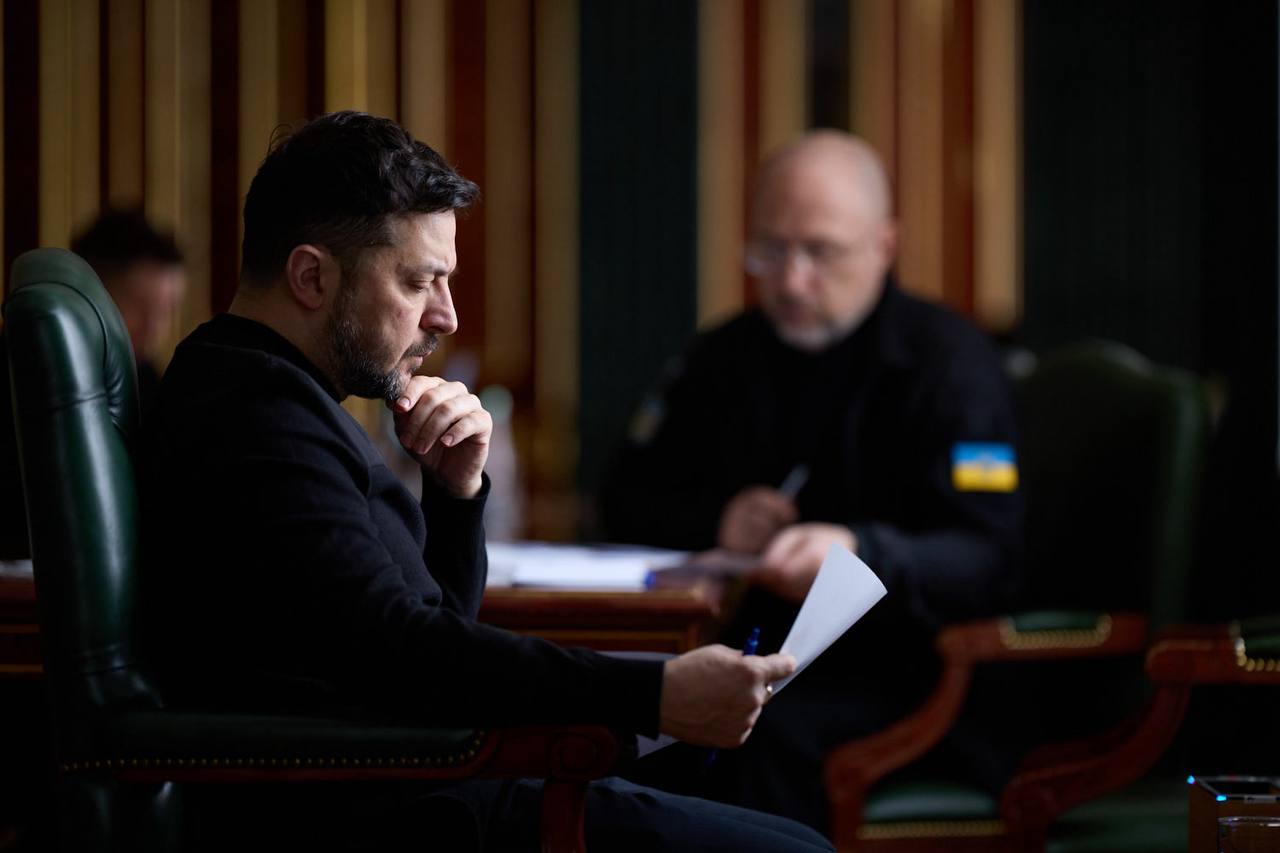
Information from intelligence about the preparation of another wave of strikes forced the president to act quickly. The order to increase protection was issued with a clear deadline — a signal to both the military and energy services that readiness must be raised today.
What is known
On February 15, after a teleconference, Volodymyr Zelensky reported that intelligence has data on Russia preparing a new massive strike on Ukraine's territory. The president instructed the commander of the Air Force, Anatoliy Kryvonozhko, Minister of Defense Mykhailo Fedorov and the head of Ukrenergo, Vitaliy Zaichenko, to prepare the necessary additional protective measures by the end of the day.
The meeting also discussed the night attack during which the enemy used «Zircon» missiles against the energy sector. This confirms that the strikes are aimed not only at military targets but also at critical infrastructure.
"Even on the eve of three-way talks in Geneva, the Russian army has no orders other than to continue striking Ukraine. This is telling — how Russia regards the diplomatic efforts of partners. Every Russian missile is the aggressor's answer to calls to end the war."
— Volodymyr Zelensky, President of Ukraine
Why this matters
Deliberate strikes on the energy sector have a double effect: they make life harder for the civilian population and create additional strain on the logistics and communications of the Armed Forces of Ukraine. The use of high-speed and high-penetration missiles complicates the task for air defense systems and requires adjustments to defense tactics.
Analysts note that on the eve of diplomatic events, strikes often have a political component — an attempt to weaken the opponent's position in negotiations and to demonstrate the endurance of pressure. In that context, the operational measures discussed during the teleconference have not only technical but also strategic significance.
Reaction and next steps
An increase in the readiness of the Air Force and accelerated coordination with energy operators is expected to minimize the consequences of the strikes. In January, the president already announced personnel and technical changes in the Air Force — the appointment of a new deputy and the task of creating an anti-drone shield over the country. These initiatives now need to be specified and integrated into an operational plan to protect critical infrastructure.
Whether these orders will turn into coordinated actions that reduce risks to people and infrastructure depends on the speed of implementation and the level of coordination between defense and energy services. For now the signal is clear: readiness must be increased immediately.



