Russia Trains Iran in Drone-Strike Tactics — How This Complicates Threats to U.S. Forces and the Region
CNN, citing Western intelligence, reports that Moscow is providing Tehran not only with data but also with concrete tactical advice on the use of drones — this alters the nature of the threats and has implications for the security of Ukraine and its partners.

By Tetiana Suchkova-Ladik
March 11, 2026 · 2 min read
What CNN reports
According to CNN, citing an unnamed Western intelligence official, Russia is providing Iran not only with intelligence for target identification but also with specific tactical advice on using drones against U.S. forces and Persian Gulf countries. This concerns drones of the Shahed type, developed in Iran and widely used by Russia in the war against Ukraine.
Why this matters
Previously, intelligence sharing was mainly seen as general support. The transfer of specific tactics — for example, wave attacks by multiple drones with simultaneous course adjustments to evade air defenses — represents a new level of cooperation. Such transmission of combat experience accelerates the spread of effective strike methods and increases risks to aviation and naval forces in the region.
"What was previously called general support now causes growing concern, including the strategy of striking targets with drones that Russia used in Ukraine"
— Unnamed Western intelligence official
What other sources say
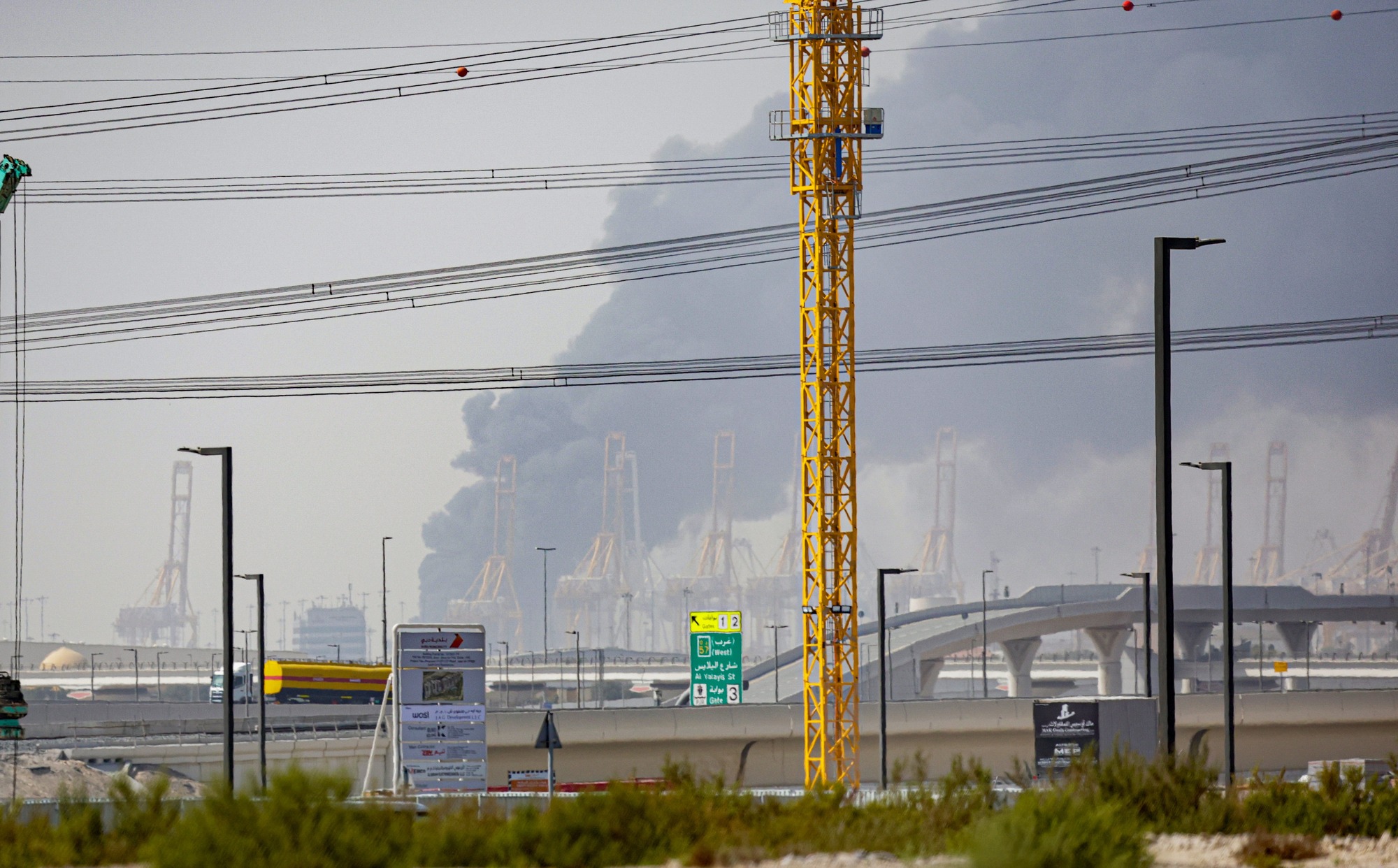
The Wall Street Journal reported that Iran, in response to U.S. and Israeli operations, carried out hundreds of drone strikes against Persian Gulf states, using approaches similar to Russian ones. The Washington Post wrote that Moscow had provided Tehran with data on the locations of American assets, including ships and aircraft. CNN contacted the Kremlin for comment — there are no official confirmations of this tactical transfer yet.
Implications for Ukraine
The spread of tactical lessons from the Ukrainian front to other theaters of operations makes the problem more systemic. First, it increases the risk of escalation and complicates the work of our partners in securing regions where U.S. interests are present. Second, it requires a review of approaches to air defenses, intelligence, and supply logistics. LIGA.net has already analyzed what scenarios of escalation in the Middle East could mean for Kyiv, including for fuel supplies and prices.
What next
The key question is whether this exchange will become a systematic practice between Moscow and Tehran. That will determine how Ukraine, together with its partners, should adjust defense policy, strengthen air defenses and intelligence coordination, in order to reduce risks to critical assets and operational forces.



