Russia aimed "Shahed" at defense ministry advisor — Flasch wounded, house destroyed
On the night of April 20, a guided Shahed drone struck the wall of a private house belonging to Serhiy Beskrestnov. The adviser to the defense minister on technology issues survived and was hospitalized — by his own account, "by a miracle."

By Tetiana Suchkova-Ladik
April 20, 2026 · 2 min read
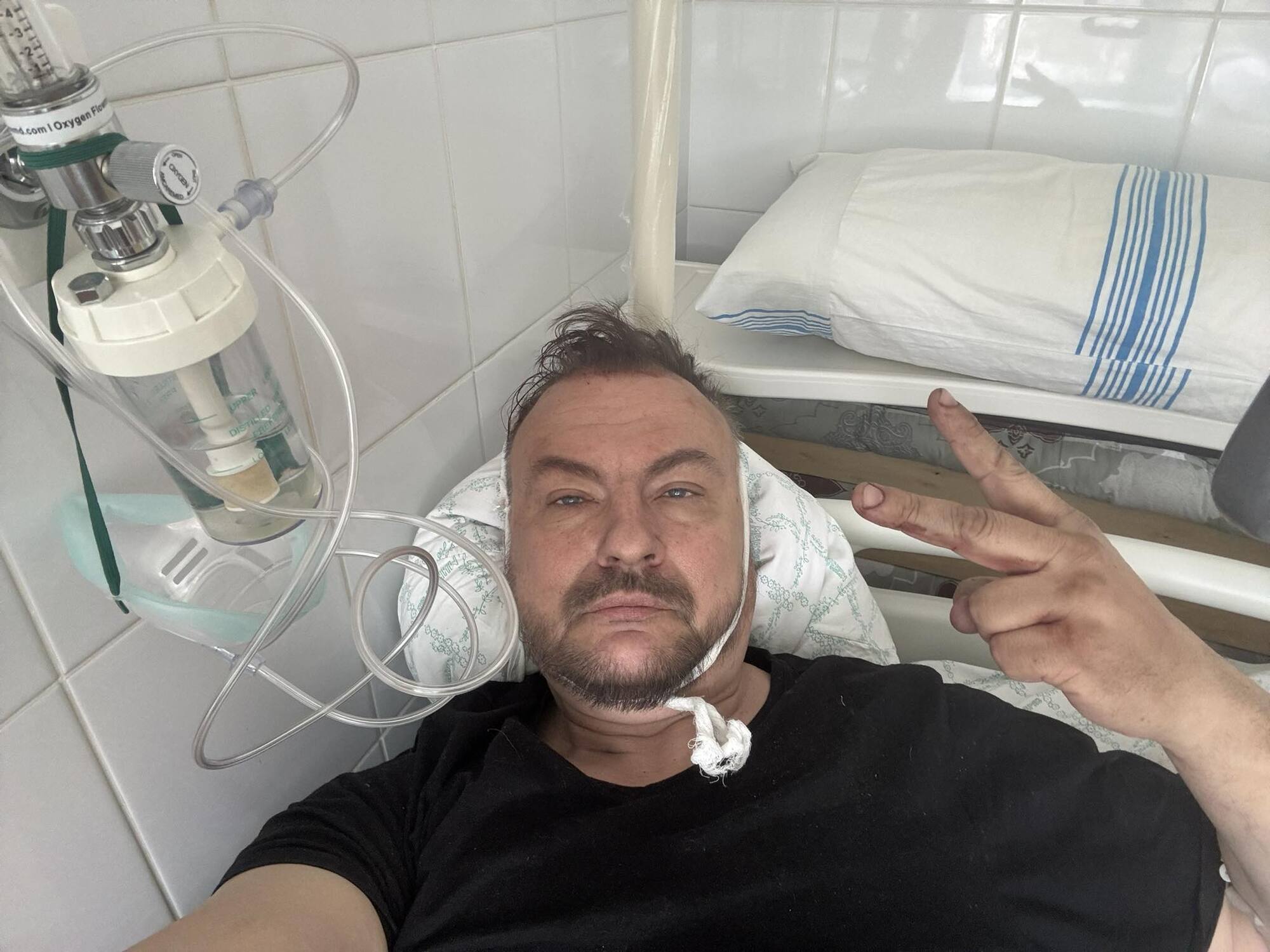
Sergiy Beskrestnov ("Flash") — a radio technology specialist and head of the Radio Technology Center and advisor to Defense Minister Mikhaylo Fedorov — was wounded as a result of a targeted drone strike. He reported this on Facebook on Monday, April 20.
What happened
According to Flash, Russians directed four Shahed drones at his house overnight. One guided drone reached its target and crashed directly into the wall. Beskrestnov was hospitalized.
Last night the Russians tried to kill me. A guided Shahed drone crashed into the wall of my house. I no longer have a house. It grazed me, but the main thing is I'm miraculously alive. I was mentally prepared for such a turn of events, and this won't stop me.
Sergiy Beskrestnov, Facebook
According to UNN, at the time of publication, Beskrestnov was in the hospital. He did not provide details about the nature of his injuries.
Why Flash is a target
Beskrestnov is one of the few public figures in Ukraine whose work directly affects the effectiveness of countering Shaheds. He was the first to thoroughly document Russia's use of reactive Shahed-238 drones with speeds exceeding 500 km/h, described the use of Chinese mesh modems for radio control of drones to bypass GPS jamming, and publicly warned interceptor manufacturers: "All the enemy's bets are on speed".
This very profile — open analytics that shape the Armed Forces' technical decisions — makes him an obvious target for a targeted strike, rather than a random casualty of a mass attack.
Tactical context: guided Shahed at a specific address
The key detail is a guided reactive Shahed. This is not a drone with pre-entered coordinates flying on autopilot. The presence of radio control means the ability to adjust trajectory in flight — that is, a strike on a specific point, not an area. Beskrestnov himself described this technology in detail: a mesh modem on board allows an operator to control the drone in real-time even under GPS jamming conditions.
- Four drones — likely to increase the chances of breaching the defenses
- One reached its target and hit the wall, not the roof — indicating a horizontal approach characteristic of guided mode
- The house was completely destroyed
Confirmation from the Armed Forces or ISW regarding this specific incident was not available at the time of publication — only known from Beskrestnov's own report.
If Russia is indeed deliberately hunting technical experts who shape the doctrine of drone countermeasures, a question arises that goes beyond this single case: are other public specialists whose open analytical materials are as readable in Moscow as they are in Kyiv protected?



