Russia signals the US about recognizing Crimea — Zelensky: Kyiv will not support a decision contrary to the Constitution
In great-power diplomacy, quiet agreements matter more than loud statements. Zelensky warns: if negotiations between Washington and Moscow touch on Ukrainian interests, Kyiv will not support recognition of Crimea or other deals that contradict the Constitution. We examine why this matters now.

By Tetiana Suchkova-Ladik
February 7, 2026 · 1 min read
Briefly
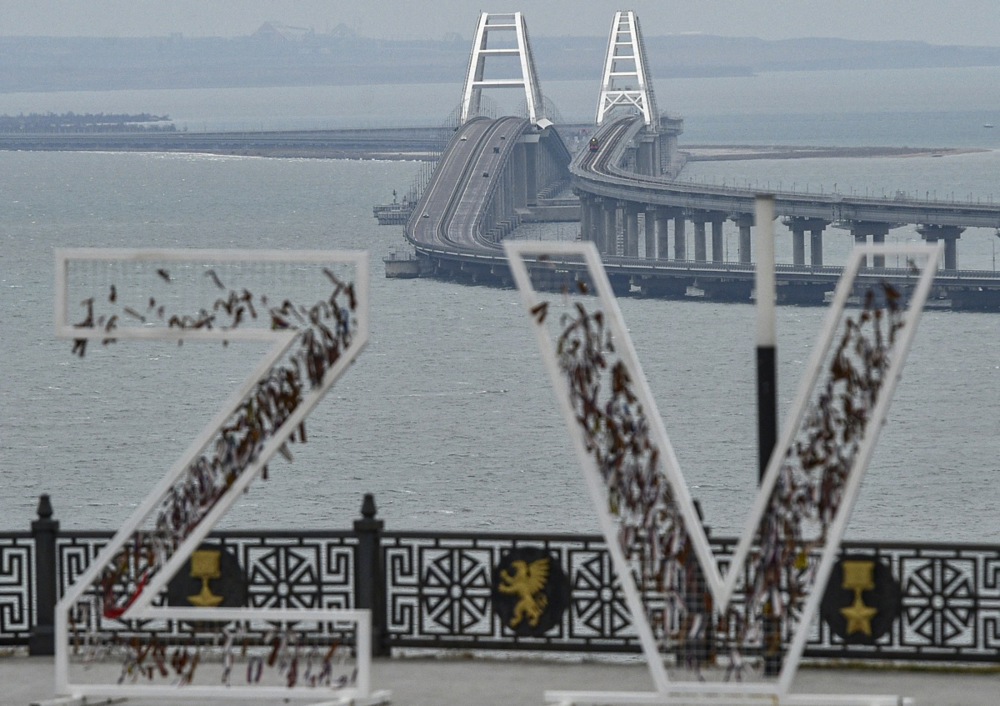
President Volodymyr Zelenskyy, at a meeting with journalists on February 6 (LIGA.net correspondent), said that Russia may signal to the U.S. to recognize Crimea, but Kyiv will not support such arrangements if they contradict the Constitution and the interests of Ukrainians.
Kyiv's position
"I believe that, most likely, Russia is sending a signal to America — recognize Crimea. Knowing that Ukraine will not recognize it. And knowing that Ukraine has influence in the European arena"
— Volodymyr Zelenskyy, President of Ukraine
Zelenskyy stressed that Ukraine will insist on participation in discussions that affect its territorial integrity, and will not support decisions that "decide for us" issues contrary to national legislation.
What the US and Russia are proposing
According to the president, proposals may appear in relations between Moscow and Washington that do not directly concern Kyiv but affect its interests. Zelenskyy also reported an economic offer from Russia to the U.S. of $12 trillion and about Washington's proposal to end the war by summer and hold tripartite talks in Miami.
Why it matters
If part of the negotiations on the status of the occupied territories takes place without Ukraine's participation, there is a risk of legitimizing the annexations and creating a precedent that undermines international norms. Analysts point out that recognition of Crimea as Russian would be more than a symbolic step — it would have consequences for sanctions, security in Europe, and confidence in guarantees of territorial integrity.
"And this must certainly not happen contrary to the interests of Ukrainians"
— Volodymyr Zelenskyy, President of Ukraine
Conclusion
Kyiv sets a clear condition: any compromises regarding territories must be agreed with Ukraine and conform to the Constitution. Now the question for partners is whether they are ready to turn diplomatic signals and declarations into agreements that will not create new risks for Ukraine and the region?



