Russia struck a port in the Odesa region: fertilizer warehouses damaged, one killed, six wounded
Night strikes on port and railway infrastructure killed a civilian and once again underscored the Russian Federation’s tactic — targeting logistics and the economy. We examine why this matters for regional security.

By Tetiana Suchkova-Ladik
February 13, 2026 · 2 min read
What happened
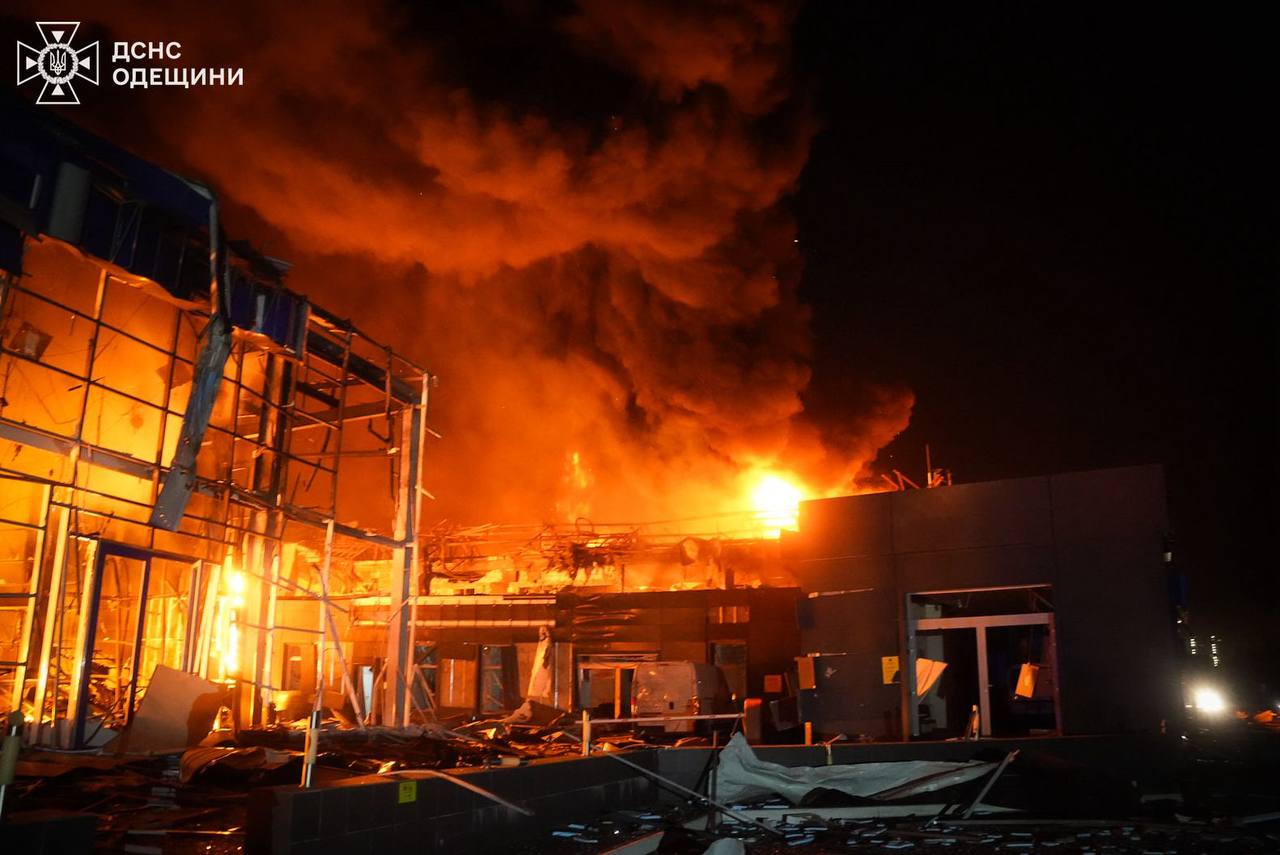
On the night of February 13, Russia carried out massive strikes on port and railway infrastructure in Odesa region, according to the head of the Odesa Regional Military Administration Oleg Kiper and the Minister for Communities and Territories Development Oleksii Kuleba.
Damage and casualties
As a result of the strike on the port, one person was killed and six others were injured, three of them in serious condition. All the victims are civilians.
Enterprise infrastructure was damaged: warehouses with fertilizers were destroyed or damaged, vehicles and freight wagons were hit, and a fire broke out. In Odesa, fragments of drones fell on the premises of a car dealership and a sanatorium, and two Shahed drones struck apartments in two residential buildings. In addition, over the day the Russian military carried out UAV strikes on railway infrastructure in Dnipropetrovsk region.
"These were strikes on civilian infrastructure: there are dead and wounded peaceful people, warehouses and cargoes have been damaged."
— Oleg Kiper, head of the Odesa Regional Military Administration
Context and risks
The attack fits the established tactic of the Russian Federation, which systematically hits ports, energy facilities and logistics in Odesa region. Such strikes have a double effect: immediate victims and destruction of infrastructure, and long-term risks for exports, supply chains and the trust of international partners. For example: in December 2025 the waters of Ukraine's largest port were contaminated with oil after earlier shelling — which in turn increases environmental and logistical losses.
Warehouses with fertilizers pose an additional threat: damage to storage can cause fires, toxic or explosive harm, and disrupt supplies needed for the agricultural season.
"Attacks on ports are not only a military tactic: they are a blow to the country's economy and logistics, with consequences for exports and internal security."
— Oleksii Kuleba, Minister for Communities and Territories Development
What next
Expect increased air defense measures in coastal areas and strengthened protection of critical infrastructure. To minimize the consequences, immediate actions are important: extinguishing fires, assessing and safely removing damaged fertilizers, monitoring environmental risks and restoring logistical routes. Analysts and local authorities agree: while the enemy seeks to undermine Ukraine's export potential, the key task is to turn partners' political statements into concrete investments and means to protect port infrastructure.
Question for partners and citizens: will declarations of international support be turned into concrete air defense systems, repair crews and logistical assistance that will actually protect export corridors and the civilian population?



