Russia Rejects U.S. Proposal on Control of Zaporizhzhia Nuclear Plant — Energy Again Used as a Tool of Pressure
Reuters reports: Washington proposed taking control of the Zaporizhzhia nuclear power plant and distributing electricity from it between Ukraine and Russia — but Moscow refused. This is not just a technical matter: the fate of the plant affects security, negotiating position and the post-war order in the region.

By Tetiana Suchkova-Ladik
February 7, 2026 · 2 min read
Quiet agreements in high diplomacy
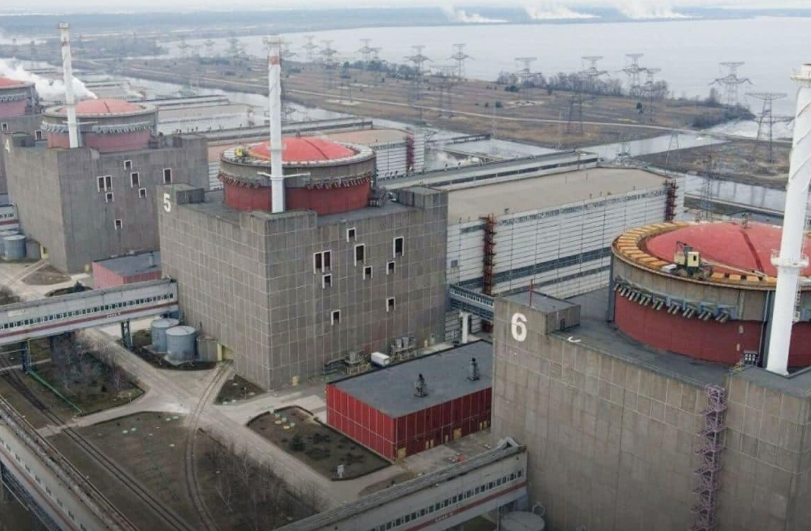
Reuters, citing an unnamed source, reports that Russia rejected a U.S. proposal under which Washington would control the Zaporizhzhia nuclear power plant and allocate electricity between Ukraine and Russia. The issue became central in discussions around the safety and future management of the plant.
"Moscow rejected a U.S. proposal under which Washington would control the Zaporizhzhia nuclear power plant and allocate electricity between Ukraine and Russia."
— Reuters, unnamed source
What the U.S. proposed — and why Moscow refused
The idea was to temporarily place the plant under a neutral U.S. intervention — intended to guarantee nuclear and operational safety, as well as a fair distribution of energy under certain arrangements. Moscow insists on complete control while simultaneously offering Ukraine cheap electricity as a lever of influence. Russia's refusal indicates that for it the Zaporizhzhia plant is not just a technical facility but also a geopolitical asset.
Kyiv's position
For Ukraine the key is preserving sovereign rights to service and manage the plant, as well as guarantees of safety for personnel and the region's population. According to Reuters, the proposal for a tripartite control — Ukraine, Russia and the United States — prompted objections in Kyiv as unfair and unacceptable given the occupation of the territory.
"Zelensky considers the U.S. idea that control over the Zaporizhzhia plant be exercised simultaneously by Ukraine, Russia and the United States to be unfair."
— Reuters
Consequences and scenarios
The decision will have several practical consequences: first, it increases the risk of energy being used as a lever of pressure. Second, without clear international safety mechanisms, the risk of incidents at the plant remains elevated. Third, disagreements between Kyiv and partners over the model for managing the Zaporizhzhia plant complicate implementation of elements of the 20-point peace plan noted in official statements.
Conclusion
While diplomacy works through options, the Zaporizhzhia nuclear power plant remains not only an energy asset but also a political marker. The question is whether partners will turn diplomatic signals into specific security mechanisms and transparent governance that would exclude instrumentalization of the plant in future agreements.



