Rubio: The Momentum is Lost. Klimkin: US Withdrawal from Negotiations Would Cost Trump Too Much
# U.S. State Department Head Admits Peace Process Has Slowed, Citing Lack of Faith in Diplomacy The U.S. State Secretary acknowledged that the peace process has stalled, attributing the slowdown to both sides placing greater faith in battlefield victories than in diplomatic negotiations. Ukraine's former foreign minister explains why Washington will remain engaged despite the challenges.

By Tetiana Suchkova-Ladik
May 25, 2026 · 3 min read
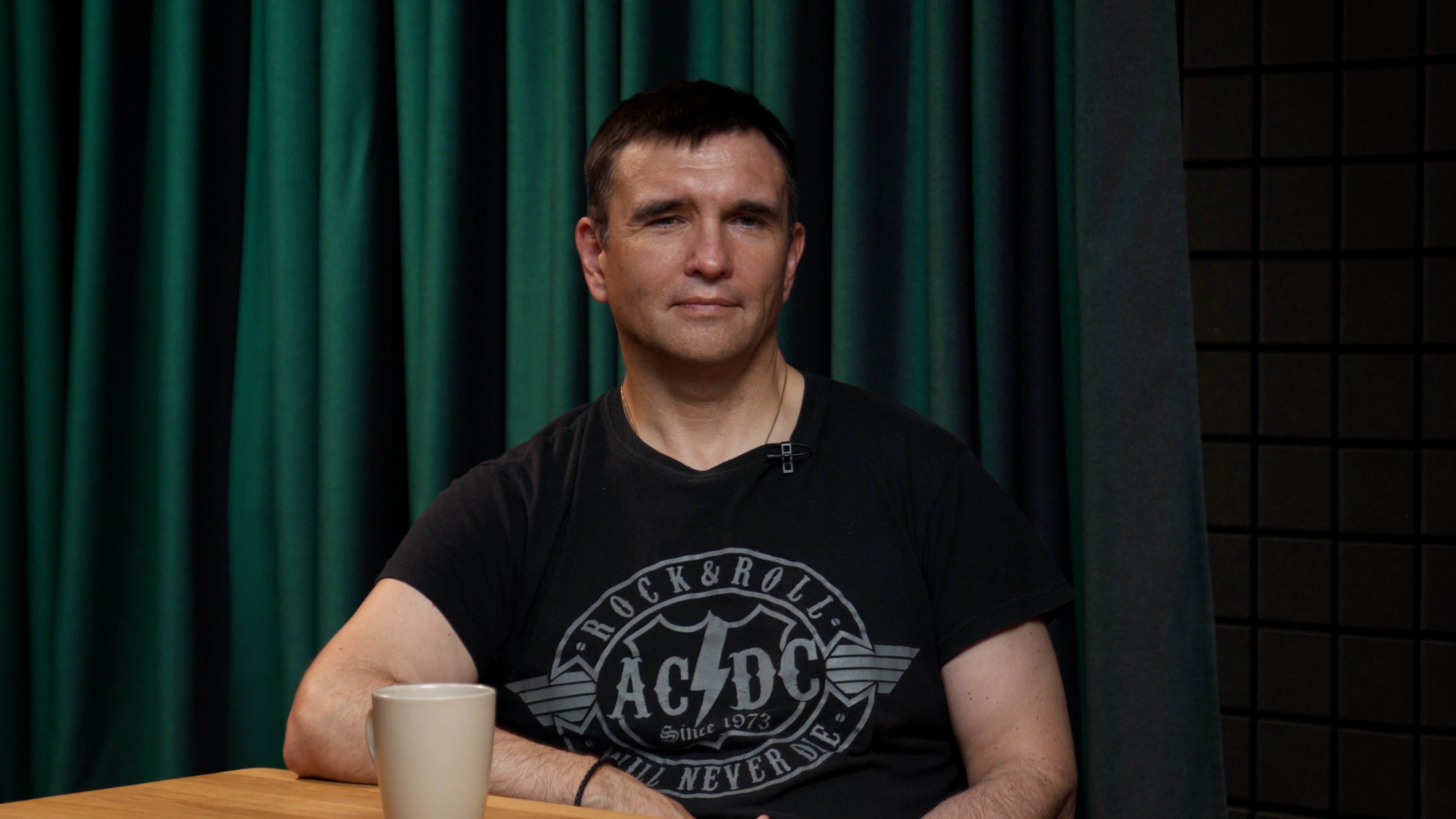
Marco Rubio confirmed in a Fox News interview what has long been apparent without official statements: peace negotiations on Ukraine have "lost some momentum". According to him, the reason is not diplomatic deafness but battlefield arithmetic. Ukrainians feel increasingly confident about their position on the battlefield, having survived the winter; Russians are somewhat optimistic because oil prices have risen. When each side believes time is working in its favor, sitting down at the negotiating table becomes disadvantageous.
What exactly did Rubio say
The United States hopes to resume negotiations between Ukraine and Russia and is ready to continue acting as a mediator in the process of resolving the war, emphasized the Secretary of State. But at the same time, he made it clear: Washington is not going to simulate progress for the sake of the process itself.
"We are not interested in being involved in an endless cycle of meetings that lead nowhere"
Marco Rubio, U.S. Secretary of State, following meetings at the State Department
Rubio believes that this war can only end through a settlement via negotiations, not military victory — "at least from a traditional perspective." This is an important nuance: the Secretary of State effectively rules out a scenario of complete victory for either side, but his words contain no mechanism that would force the sides to sit down at the table.
Why the United States cannot simply exit
Former Ukrainian Foreign Minister Pavlo Klimkin, in the LIGA.net project "Klimkin Explains," proposed reading Rubio's rhetoric differently — not as a signal of retreat, but as pressure. According to the diplomat, if the United States truly stopped participating in negotiations, President Donald Trump would have had to deal with "some kind of psychological trauma": he promised to end the war — publicly, insistently, and, as Klimkin notes, "probably also to himself."
The cost of exit for Trump is not geopolitical but reputational. A president who made "stopping the war in 24 hours" his personal brand cannot simply announce that the process has failed and walk away. Klimkin reads Rubio's statement about "loss of momentum" as preparation for new pressure on the parties — to force them back to the table on terms that will allow Trump to declare victory.
Context: why the process has truly stalled
Trilateral peace negotiations (Ukraine, United States, Russia) have slowed significantly due to the escalation of the situation around Iraq. Part of international attention, particularly from the United States and other key partners, has shifted to the Middle East.
- Russia views oil revenues as a buffer and does not feel critical pressure to negotiate.
- Ukraine is demonstrating resilience on the front after the winter and does not want to fix current lines as permanent.
- The United States publicly remains a mediator, but without a specific deadline or enforcement mechanism for either side.
This is precisely where the key gap lies: the United States is "not interested in being involved in an endless cycle of meetings that lead nowhere," but Rubio named no instrument that would make these meetings productive.
If Washington does not formulate a specific condition — for example, a deadline or a sanctions mechanism against the side blocking negotiations — the statement about "readiness to mediate" will remain a declaration without commitments. The question is not whether the United States will exit the process, but whether this process will gain any leverage of pressure before battlefield dynamics shift dramatically again.



