Rubio, Cuba and the US elections: how a foreign operation could redraw the political map — and why it matters for Ukraine
Pavlo Klimkin in LIGA.net suggests that success in Venezuela and a weakening of Cuba could give Marco Rubio a powerful boost in the elections. We explain why this scenario matters not only for the United States but also for transatlantic support for Ukraine.

By Tetiana Suchkova-Ladik
January 6, 2026 · 2 min read
A quiet mechanism that could change everything
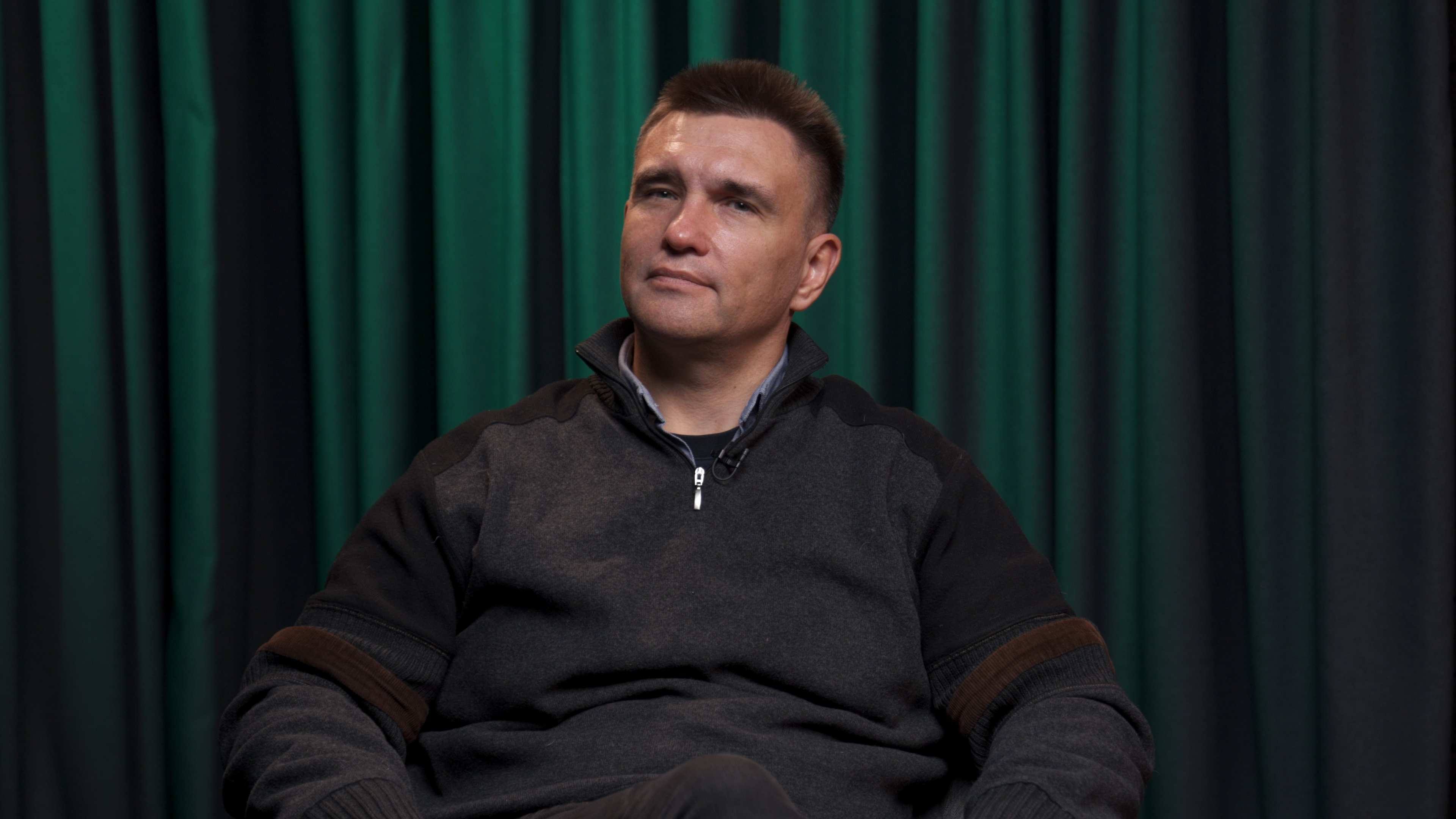
Former foreign minister Pavlo Klimkin, in an interview for the LIGA.net YouTube project, suggested that if U.S. Secretary of State Marco Rubio achieves a notable success regarding Cuba, it could turn into a significant campaign advantage. This is not just political theory: according to Klimkin, he relied on the results of three recent polls showing an increase in Donald Trump's ratings after the operation in Venezuela.
What Klimkin specifically said
"If he brings this Venezuela story to a conclusion, he will be in a very good position. If he topples the Cuban regime, it is highly likely he will be the next president of the United States"
— Pavlo Klimkin, former foreign minister
The demographic factor and real politics
Klimkin also drew attention to demographics: about 60 million people in the U.S. speak Spanish. Rubio himself is an American of Cuban descent from Miami; his ethnic background and public stance on Cuba make him especially relevant to Latino voters. Under such conditions, foreign policy successes can instantly convert into domestic political capital.
Events in Venezuela as a catalyst
Klimkin's piece also refers to recent incidents in Venezuela: on the night of January 3 explosions were heard in Caracas and aircraft were active; it was later reported that the U.S. conducted an operation. Statements by Trump followed about the arrest of Nicolas Maduro and his wife; they were accused of drug trafficking. This is a series of statements and events that could fuel a narrative about the decisiveness of foreign policy and yield political dividends to those who position themselves as strong leaders.
What this means for Ukraine
This matters not only for Washington. In the short term, shifts in electoral sympathies in the U.S. can affect the balance of power in Congress and the executive branch, and therefore the pace and nature of transatlantic support for Ukraine. If the foreign policy agenda dominates key circles in the U.S., partners may reprioritize assistance. Analysts note: a strong mandate for a "tough" foreign policy is sometimes accompanied by demands to reallocate resources and conditions attached to aid.
Brief conclusion
The scenario Klimkin outlines is logical and based on a combination of demographic trends, foreign policy events, and public reaction. Whether these factors will translate into real electoral success for Rubio is an open question. For Ukraine the key task is not to react emotionally, but to maintain varied channels of communication with American partners and to prepare cooperation scenarios for different political configurations in Washington.



