Rubio in Munich: von der Leyen and Starmer Backed Hardline Approaches — What It Means for Ukraine's Security
The head of the EU and the British prime minister spoke positively about Marco Rubio's speech at the Munich Security Conference (MSC). Why this matters now and what practical consequences it could have for support for Ukraine.

By Tetiana Suchkova-Ladik
February 14, 2026 · 2 min read
Partners' position: brief and worth knowing
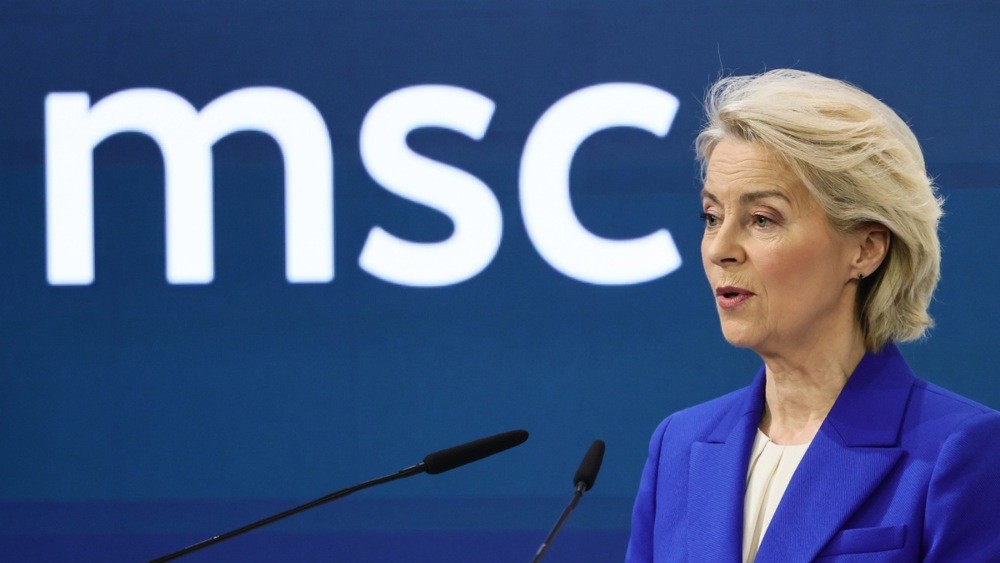
At the Munich Security Conference, the remarks of American politician Marco Rubio received public endorsement from the President of the European Commission Ursula von der Leyen and the Prime Minister of the United Kingdom Keir Starmer — The Guardian reports. Such a reaction is not just a compliment: it signals a strengthening transatlantic consensus on increasing readiness for new security challenges.
What the leaders said
"I am very reassured by what I heard, and I agree with Rubio regarding the call for Europe to step up its readiness and to confront future challenges."
— Ursula von der Leyen, President of the European Commission (according to The Guardian)
Von der Leyen's words underline two things: first, the European Commission feels the need to move from declarations to concrete measures to strengthen defence capabilities; second, U.S. rhetoric has resonated in Brussels.
"I think it's plainly obvious that we should not sink into a warm bath of complacency... That would be a mistake, and it would be a particular mistake for Europe."
— Keir Starmer, Prime Minister of the United Kingdom (according to The Guardian)
Starmer's comment is a reminder that even in relative stability, partners cannot return to the old 20th-century security models. This matters for Ukraine: it's not just about words, but about practical steps that allow reinforcing defensive lines and logistics.
"Russia is a real threat to us, without any doubt."
— Ursula von der Leyen, President of the European Commission (according to The Guardian)
Why this matters for Ukraine
The reaction of von der Leyen and Starmer creates an effect of social proof: when EU and UK leaders publicly align with the tougher U.S. stance, it increases the likelihood that concrete decisions will follow the rhetoric — from bolstering defence supplies to preparing and coordinating sanctions measures. Analysts note that synchronized rhetoric eases the political space for more active assistance to Ukraine.
Summary and unanswered questions
Support from von der Leyen and Starmer is good news for those watching the security architecture around Ukraine. But the key question remains practical: will this rhetorical harmony develop into rapid, coordinated steps that genuinely strengthen defence capabilities? The answer will depend on upcoming decisions in Brussels, London and Washington.
Source: The Guardian (quick overview of reactions to Marco Rubio's speech at the MSC)



