Rubio in Munich: negotiations do not let Russia buy time — sanctions and aid for Ukraine continue
At the Munich Security Conference, Senator Marco Rubio explained why combining diplomacy with stepped‑up pressure is a strategy that gives Ukraine a chance to turn negotiations from theory into tangible gains.

By Tetiana Suchkova-Ladik
February 14, 2026 · 2 min read
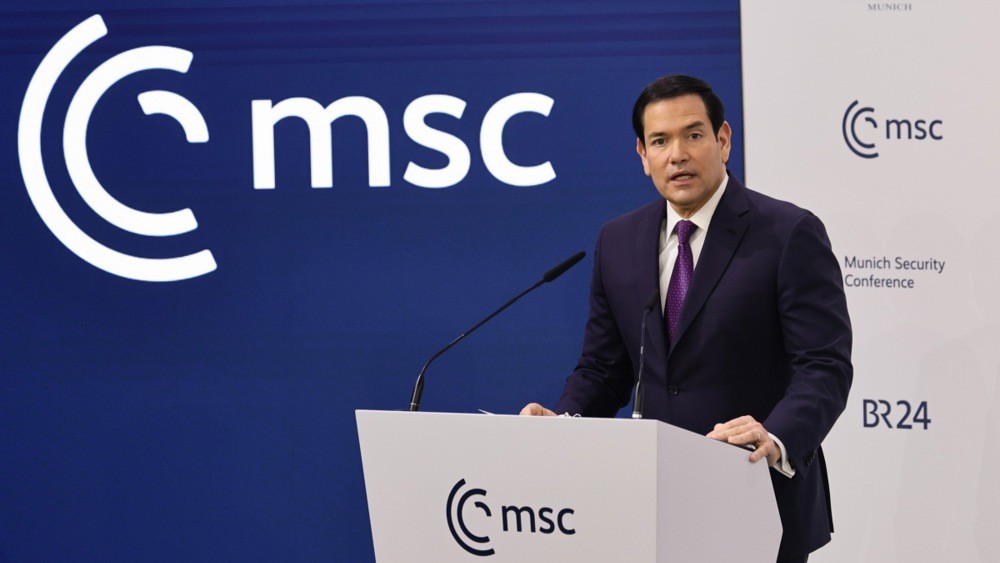
What Rubio said at the MSC
At the Munich Security Conference (MSC) Senator Marco Rubio posed a simple but important question: is Moscow serious about ending the war on terms acceptable to Ukraine. He said the set of issues required to end the conflict has narrowed — but the most difficult elements remain, and resolving them will take time and persistence.
"We do not know whether the Russians are serious about ending the war — they say they are — and on what terms they are ready to do it... But we will continue to test that."
— Marco Rubio, U.S. Senator
Pressure works in parallel with dialogue
Rubio emphasized that negotiations do not take place in isolation from other policy tools: sanctions, energy pressure and arms deliveries for Ukraine continue simultaneously with diplomatic efforts. He cited a number of examples which, he said, demonstrate this: oil limits (mentioned autumn 2025), agreements with India to reduce additional purchases of Russian oil, steps by Europe and the PURL program for allies to purchase American weapons to support Ukraine.
"So all these things continue, nothing has stopped during this time (of negotiations). So in that regard no one is buying time."
— Marco Rubio, U.S. Senator
Technical progress and its limits
Rubio also reported technical progress: according to him, military representatives of both sides had already held meetings last week, and new negotiations were scheduled for 17 February. This gives grounds to speak of progress in expert-level communication, but the senator warned that technical contacts do not automatically turn into political decisions that would guarantee fair and sustainable conditions for Ukraine.
Why this matters for Ukraine
The combination of pressure and dialogue is a frame that works in Ukraine's interests: while the Kremlin's intentions are being tested, partners retain instruments of influence. The expert community agrees that such a balance gives a chance to extract real concessions from negotiations, not just declarations.
What next
Now the key question is whether technical meetings and diplomatic pressure will turn into concrete decisions acceptable to Ukraine. It depends on partners whether they will maintain the pace and resources necessary to move negotiations from a "test of intentions" into verified agreements. If not — the process may drag on, and Moscow will gain room to maneuver.
The question remains open: will the international coalition have enough will and instruments to turn diplomatic efforts into a result that guarantees security and recovery for Ukraine?



