Romania Joins PURL — €50 Million for U.S. Weapons: Why This Matters for Ukraine and the Region
Bucharest's contribution is more than a tranche: it is a signal of solidarity and a diplomatic impetus for the PURL initiative that could nudge partners toward concrete contracts next year.

By Tetiana Suchkova-Ladik
December 31, 2025 · 2 min read
Briefly
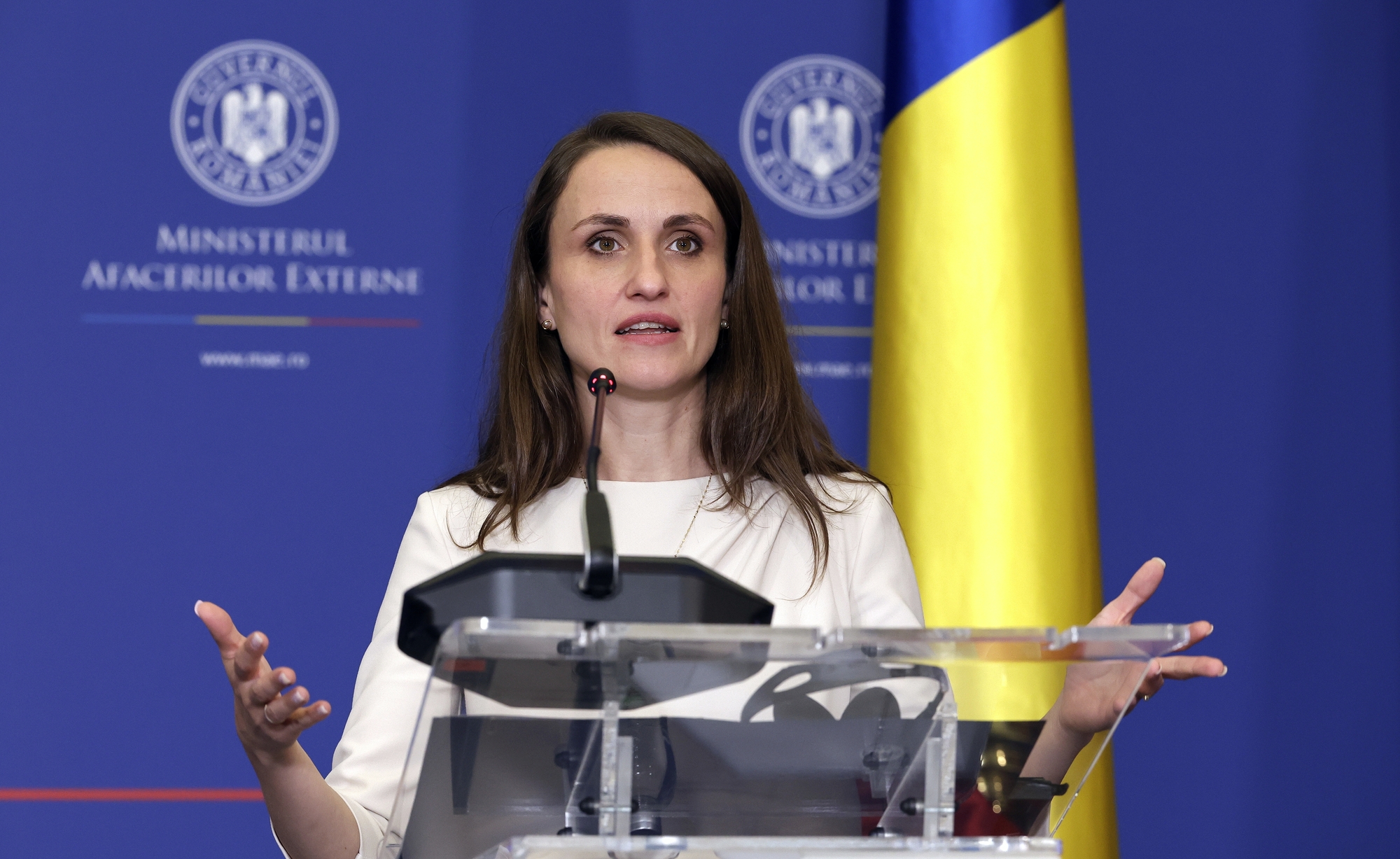
Romania has officially joined the PURL initiative and will allocate €50 million to purchase American weapons for the next transfer to Ukraine. The announcement was made by Foreign Minister Oana Țoiu on the social network X — the funds are included in the 2025 budget ceiling.
"Allocations to PURL are made in accordance with the budget ceiling for 2025"
— Oana Țoiu, Romania's foreign minister
Why it matters
At first glance €50 million is not a revolution in defense financing. But in geopolitical terms it functions as a signal: a neighboring NATO country bordering Ukraine is visibly strengthening solidarity in a practical way. Such a contribution bolsters Kyiv's arguments in negotiations with partners and adds pressure on those who have promised but not yet signed contracts.
Social confirmation of the bigger picture already exists: according to figures cited on December 5, 21 countries have joined PURL with total commitments of about $4.18 billion. And on December 11 President Zelensky announced expectations of $15–16 billion next year — indicating the initiative aims to move from declarations to systematic deliveries.
"Romania's contribution to PURL will help achieve a durable peace by strengthening Ukraine's capabilities and regional security"
— Oana Țoiu, Romania's foreign minister
Implications and outlook
The practical effect at the front will depend on which items are purchased and how quickly they are delivered. But diplomatically this reinforces three things: 1) Kyiv's arguments about needs and urgency; 2) internal legitimacy for those governments that are still hesitant; 3) pressure to turn commitments into signed contracts.
The question now is procedural — will this momentum support larger-scale decisions in the U.S. and Europe needed to reach the pledged $15–16 billion. For Ukraine it is important not only to accumulate commitments, but also to ensure rapid logistics, interoperability, and transparent mechanisms for transferring equipment.
Conclusion
Romania's contribution is relatively small in aggregate, but significant as a marker of unity and as a diplomatic push. Will these pushes be enough to turn PURL's ambitions into the real deliveries in the volumes Ukraine is asking for? The answer depends on the next steps by NATO and U.S. leaders — and on how quickly partners can convert declarations into contracts.



