Rhetoric vs. supplies: how Trump's words don't change the reality of deliveries to Ukraine
Donald Trump's statement that "the US does not need Ukraine's help" became a media talking point. However, Volodymyr Zelensky called it "rhetoric" and stressed that the more important practical side is access to PURL and work on drone interceptors.

By Tetiana Suchkova-Ladik
March 13, 2026 · 2 min read
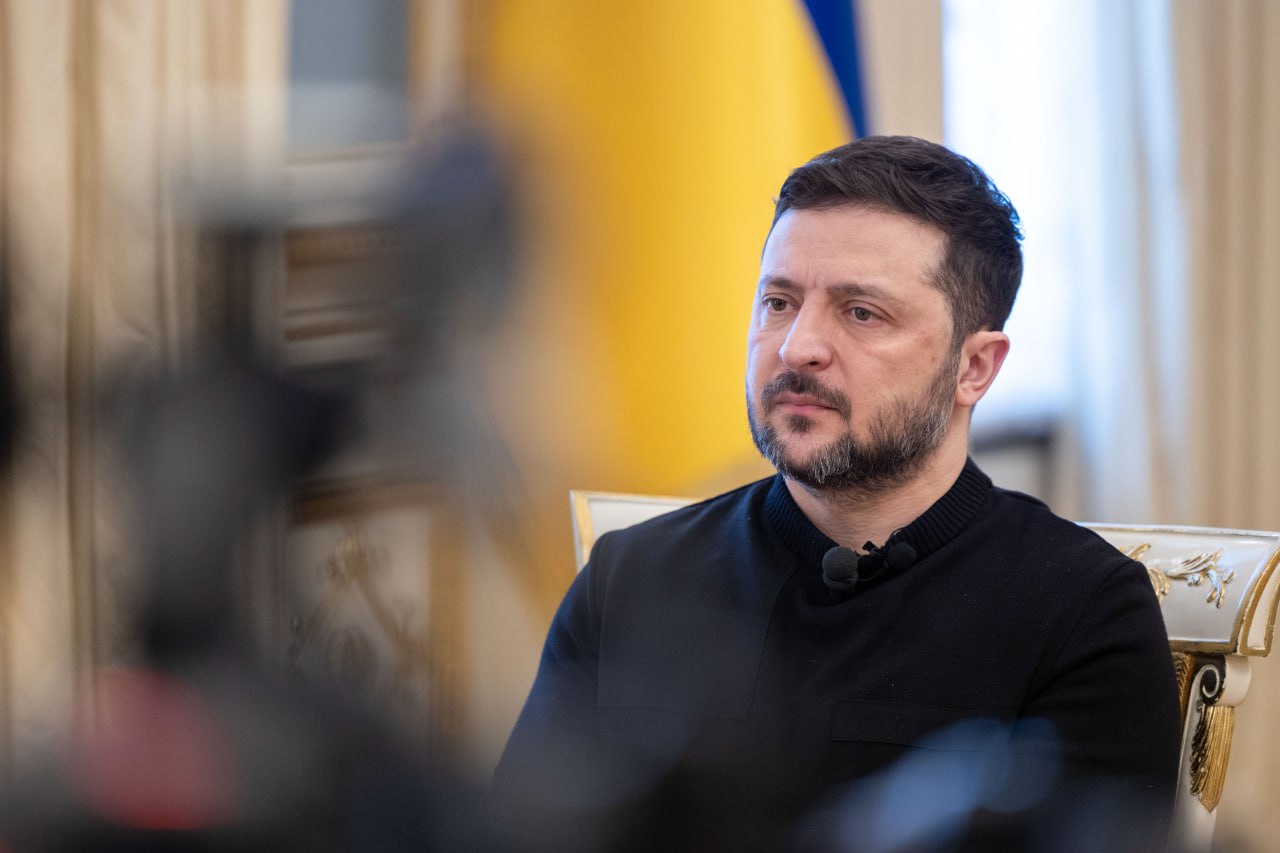
What the leaders said
In response to Donald Trump's statement that "the US does not need Ukraine's help in countering drones," President Volodymyr Zelensky characterized those words as "rhetoric", drawing attention to practical issues of cooperation and supplies.
"Rhetoric is rhetoric. The main thing is that we know what we're doing"
— Volodymyr Zelensky, President of Ukraine (Suspilne)
"No, we don't need their help in defending against drones. We know about drones more than anyone. We have the best drones in the world, actually"
— Donald Trump, President of the United States (13 March)
Why this matters
The gap between loud statements and practical actions is key for Ukraine's security. Zelensky stressed the continuity of access to American weapons through the PURL program and thanked the US for the ability to make purchases, including HIMARS and missiles for the Patriot.
"We are grateful to the Americans that we continue to have the ability to buy through the PURL program. And what we buy there includes HIMARS and missiles for the Patriot"
— Volodymyr Zelensky, President of Ukraine (Ukrinform)
Practical point: PURL allows partner countries to purchase American weapons for Ukraine without direct pressure on the US budget. It is a mechanism that better protects supply lines from political swings in particular capitals.
Zelensky also said that three Ukrainian teams are directly working with Saudi Arabia, Qatar and the UAE on drone interception systems — this expands the technological base and diversifies suppliers of critical solutions.
What’s next: risks and opportunities
Briefly on the risks: public statements by politicians can create information waves, but do not automatically derail contracts. At the same time, US domestic politics and leaders' rhetoric affect the mood of legislators who make budgetary decisions.
Opportunities for Ukraine — to maintain and cement access to programs like PURL, and to accelerate cooperation with regional partners on drone interceptors. That means not relying on words, but turning agreements into signed contracts and logistics.
Summary: Trump's rhetoric has prompted discussion, but the facts remain — supplies and working contacts continue. The key question now is whether partners will turn diplomatic declarations into concrete contracts and deliveries.



