Sanchez vs Brussels: why Spain's PM speaks of "double standards" by the EU
Pedro Sanchez has publicly criticized the European Union for applying a different approach to Ukraine and Israel. According to him, the bloc is using double standards in similar situations — and this undermines confidence in European foreign policy.

By Tetiana Suchkova-Ladik
April 24, 2026 · 2 min read
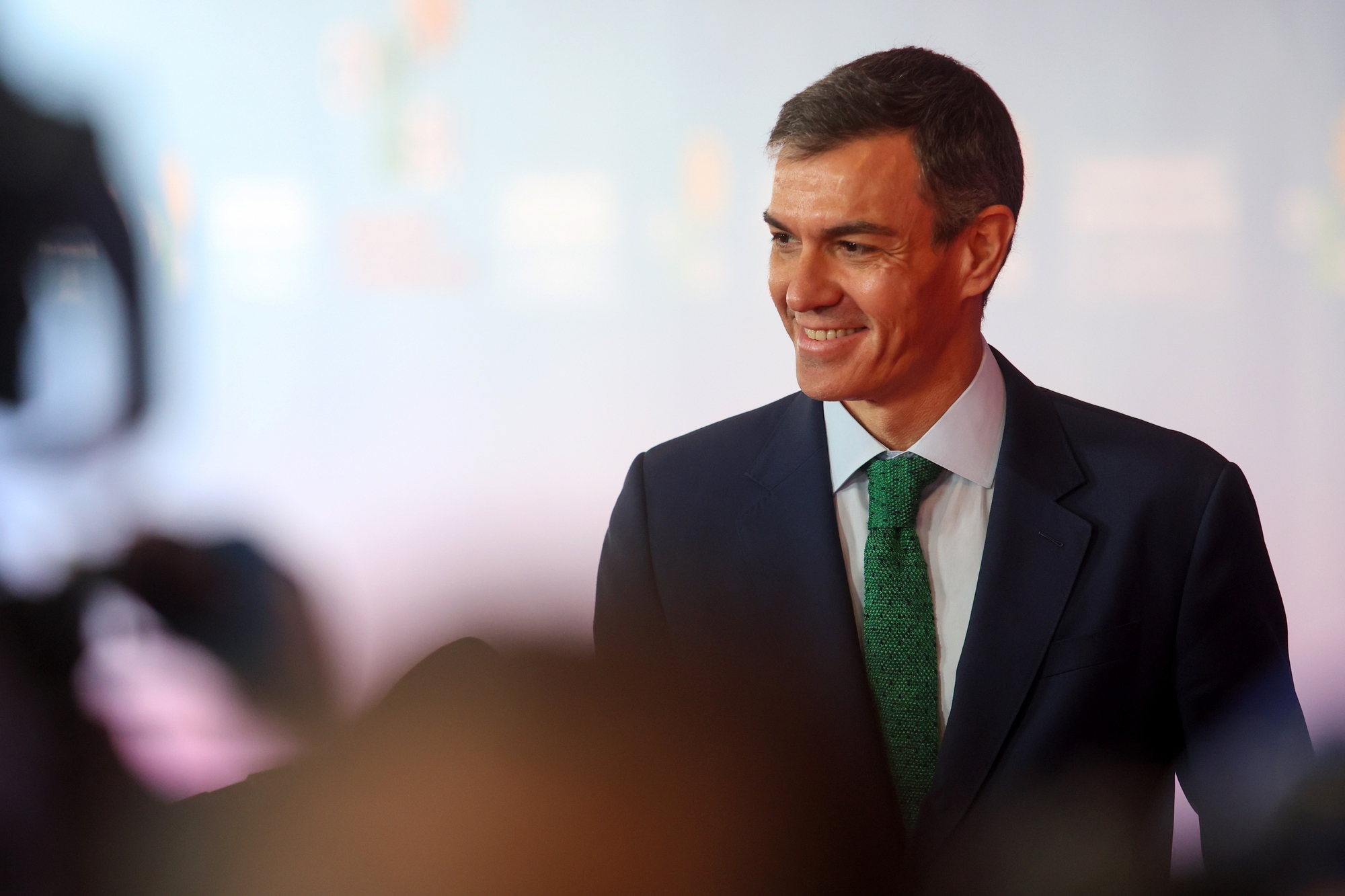
Spanish Prime Minister Pedro Sanchez has publicly questioned the consistency of the European Union's foreign policy. According to him, the EU demonstrates "double standards" in its approaches to Ukraine and Israel — and this can no longer be ignored.
What exactly is the criticism
Sanchez points to an obvious asymmetry: when Russia invades Ukraine, Brussels responds with sanctions, financial support, and rhetoric about international law. Meanwhile, Israel's actions in Gaza — with thousands of civilian casualties — do not trigger a comparable response from the EU. Spain, together with Norway and Ireland, recognized a Palestinian state in May 2024 — a step that most EU member states have not dared to take.
Sanchez's position is not spontaneous: Spain has been systematically pressuring Brussels to reconsider its relations with Israel, including the association agreement. Spanish socialists have long attempted to combine support for Ukraine with criticism of the Israeli operation — presenting this as a single logic rather than a contradiction.
Why this matters for Ukraine
At first glance, Sanchez's criticism concerns Israel. But in fact, it touches on a more fundamental question: how capable is the EU of being a reliable player if its principles depend on geopolitical convenience?
For Ukraine, this has a practical dimension. If Brussels allows itself selective application of international law norms — even under pressure from a single member state — this creates a precedent. Today, the discussion of "double standards" could weaken the consensus around support for Kyiv if some countries decide that the EU is not adhering to uniform rules anyway.
Brussels' reaction
The European Commission has not yet responded to Sanchez's criticism systematically. Individual officials recall that the situations are fundamentally different — Russia is an aggressor against a future EU member state, while the Middle East conflict is viewed in a different legal context. But this argument increasingly fails to satisfy critics.
Sanchez is not a marginal figure in the EU. Spain is the fourth-largest economy in the eurozone, and its voice in the EU Council carries weight. If other Mediterranean countries join the Spanish position, the discussion about "standards" could go beyond rhetoric.
What next
The real question is not whether Sanchez is right in his criticism. The question is different: if the EU does not formulate clear and publicly defended criteria for its foreign policy decisions — will it be able to maintain support for Ukraine as a joint project, rather than as a set of bilateral arrangements with varying levels of commitment?



