Santa Responds in Ukrainian: Christmas Mail Will Officially Accept Letters in the Native Language
Ukrainian has been added to the languages in which Santa Claus and his postal service process letters. Why this is more than a symbolic step — and how to take advantage of the opportunity right now.

By Tetiana Suchkova-Ladik
December 31, 2025 · 2 min read
Briefly
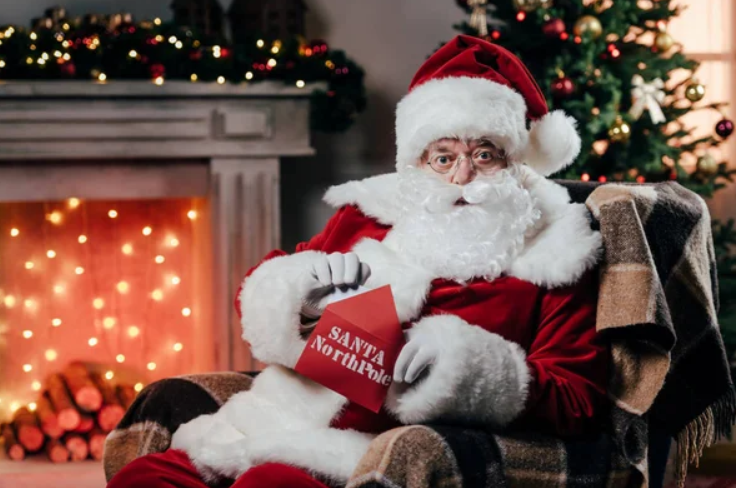
The Ministry of Foreign Affairs of Ukraine reported: Ukrainian will be added to the list of languages used in correspondence with the Office and Post Office of Santa Claus. The response to the initiative came via the Embassy of Ukraine in Finland from the head of Santa Claus’s post office, Katja Tervonen, who confirmed her readiness to support sending letters in Ukrainian.
What this means for children and families
Essentially — a simple opportunity: Ukrainian children can write letters to Santa Claus in their native language and receive replies. But behind this small thing lies a broader matter — recognition of the right to linguistic identity in the international cultural space. Such a practice helps children feel that their language and culture are noticed abroad.
"It is extremely important that even in things that seem symbolic, like Christmas mail from Santa Claus, the right of Ukrainian children to receive Christmas greetings in the state language is taken into account. Initiatives like this demonstrate solidarity with Ukraine and an understanding of how important it is for Ukrainian children to receive letters from Santa Claus in their native language."
— Olena Ivanovska, Commissioner for the Protection of the State Language
How to send a letter
The correspondence address remains standard: Santa Claus, 96930 Arctic Circle, Finland. Send letters in Ukrainian — replies from the Office of Santa Claus and his elves can now arrive in the native language.
Context and significance
This decision is not an isolated action. Over the past months international platforms and institutions have taken steps in favor of Ukrainian localization: for example, on November 24 the streaming platform Twitch launched a full Ukrainian localization of its interface. The Commissioner for Language Issues also noted on December 22 a reduction in the number of complaints about violations of language legislation online, although their nature has changed. Taken together, this looks like a gradual international adaptation to Ukraine’s presence in the digital and cultural space.
What’s next
From a practical point of view — children and families can already take advantage of the opportunity. From a broader perspective — it is an example of how cultural diplomacy and simple everyday measures strengthen Ukraine’s image in the world. The next question is how quickly similar decisions will become established practice in other international services and institutions?



