SBS struck a "Shahed" logistics hub near Donetsk Airport — what it means for the front line
On the night of December 30, Ukrainian Unmanned Systems Forces struck a drone preparation site for the "Shahed," "Geran," and "Gerbera" drones. We examine why a strike on the enemy's logistics is more important than yet another dramatic explosion image.

By Tetiana Suchkova-Ladik
December 30, 2025 · 2 min read
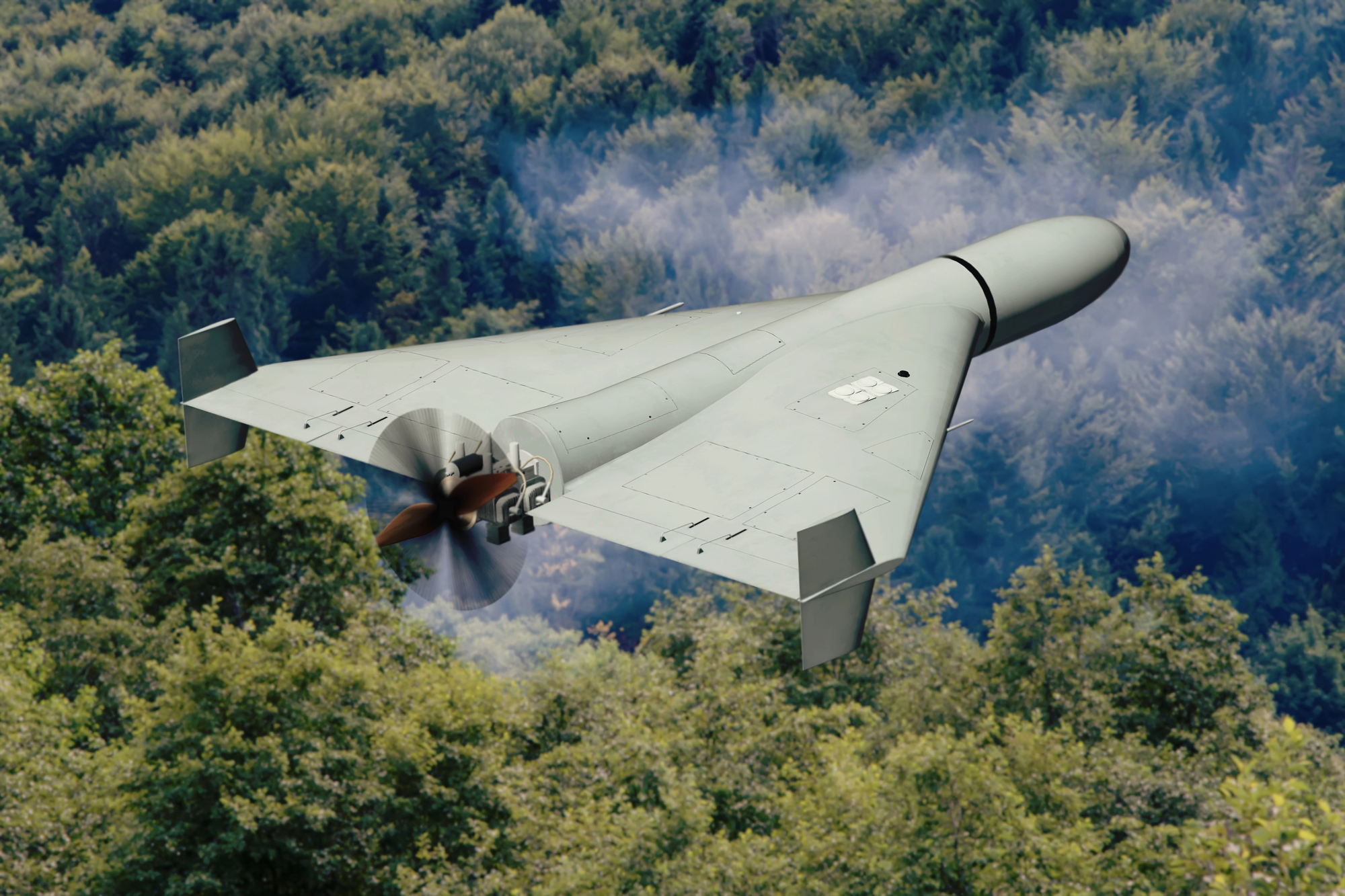
Knockout for drone logistics
Systematic work that doesn't always make the headlines: on the night of December 30 the Unmanned Systems Forces carried out a targeted strike on a large logistics hub of the enemy near the Donetsk airport — a facility where drones of the “Shahed,” “Geran” and “Gerbera” types were stored, equipped and prepared for launches. The information was confirmed by the commander of the Unmanned Systems Forces, Robert Brovdi (Madyar).
What was hit
According to the command, key elements of logistics and preparation were struck:
→ a logistics hub for “Geran” / “Shahed” drones;
→ a pre-flight preparation and maintenance point for “Geran,” “Shahed” and “Gerbera”;
→ the central warhead storage for the “Geran” and “Shahed” unmanned air complexes;
→ an accumulation warehouse for the “Gerbera” unmanned air complexes;
→ a concentration point for personnel and technical staff who carried out preparation and pre-launch maintenance of these systems.
The operation was developed by the intelligence directorate of the 414th Separate Brigade “Madyar’s Birds” of the Unmanned Systems Forces together with the newly established Deep Strike Center of the Unmanned Systems Forces Grouping.
"A base has been destroyed where unmanned air complexes were stored, equipped and prepared for launches — this reduces their ability to quickly resume the tempo of attacks."
— Robert Brovdi, commander of the Unmanned Systems Forces
Strategic effect
Logistics is what makes missile and strike campaigns systemic. Striking the hub not only destroys equipment but also hits supply chains, workshops and personnel. The consequences are:
- Reduced intensity of launches. Restoring deployed preparation points requires time and resources.
- Increased costs and risks for the enemy. They will be forced to diversify, disperse or relocate stocks, complicating logistics.
- Extended response time for Ukrainian air defenses and intelligence. Each damaged node provides additional hours and days to reinforce the defense of civilian and strategic sites.
Context and previous strikes
This is not the first strike on bases in temporarily occupied Donbas. the previous strike on November 5 underscored the importance of such infrastructure: at that time, according to available data, over 90% of launched drones reached their targets, indicating the high efficiency of the established preparation chain. That is why targeted strikes on hubs have a long-lasting tactical and operational effect.
What next?
One demonstrative operation is an important step, but not a verdict. Analysts and military experts point out: for the weakening to become sustainable, systematic work is needed — intelligence, severing supply chains, and constant pressure on preparation points. The question for command and partners is whether there will be sufficient resources and tempo to turn this tactical success into a lasting advantage?



