SBU and police neutralized a Russian agent-combat group — what this means for Ukraine’s security
Special operation "Enigma 2.0" in Ukraine and Moldova foiled a series of high-profile contract killings. We explain how the group operated, whom they intended to kill, and why this matters now.

By Tetiana Suchkova-Ladik
February 20, 2026 · 2 min read
Briefly: what happened and why it matters
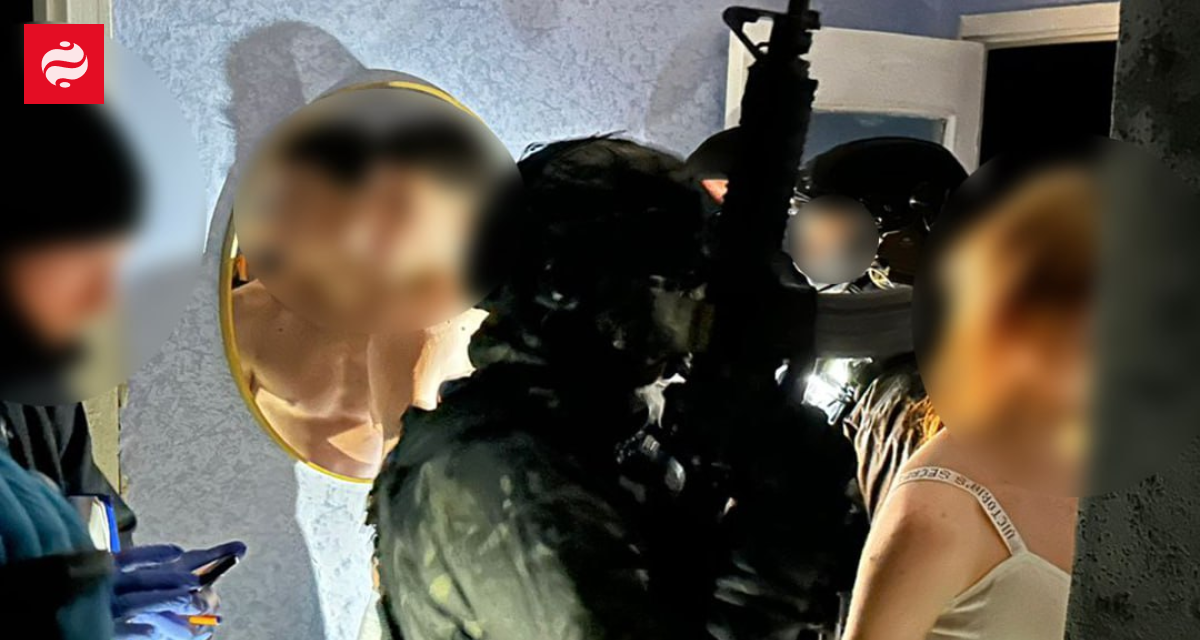
The Security Service of Ukraine and the National Police, together with their Moldovan counterparts, announced the dismantling of an intelligence-combat group organized under the control of Russian special services. According to law enforcement, the group was preparing a number of high-profile assassinations — potential targets included a journalist, servicemen of the Main Directorate of Intelligence, the head of a state enterprise, and a civic activist.
How the perpetrators operated
According to the investigation, the operation had a clear structure: a recruitment component, reconnaissance of targets, the direct "killers" and logistical support. The suspects were brought into Ukraine posing as tourists, housed in rented accommodations, and kept in contact with a resident. Elements of social engineering were used for surveilling the targets — fake couriers, photo and video recording, and marking locations in publicly accessible services.
"As a result of joint actions, the head (resident) of the enemy cell — a 34-year-old repeat offender from Moldova — two of his agents, and their accomplices from Ukraine, the EU and unrecognized Transnistria were detained"
— Security Service of Ukraine, National Police
Funding for the preparation of the attacks was provided through crypto wallets and bank cards of foreign financial institutions. According to the investigation, payment for murders reached up to $100,000 depending on the 'status' of the target.
"Agents were then divided into groups. The first tracked the locations and daily routines of potential victims, the second were the 'killers' who were to carry out the contract killings"
— Law enforcement agencies (SSU/National Police)
What was found during searches and what the charges are
Firearms, ammunition, combat grenades and communication devices were seized from the detainees' residences. The suspects have already been informed of suspicion under articles on preparation for premeditated contract murder and illegal handling of weapons and ammunition; additional charges are being considered for the cell leader. These articles carry a sentence of life imprisonment with confiscation of property.
Why this happened: a rational explanation
The aim of such operations is not only the elimination of specific individuals. As law enforcement and analysts note, high-profile killings have instrumental value: they create panic, demoralize certain groups of citizens, and undermine trust in institutions. In particular, striking targets with military or informational links could weaken logistics, communication and volunteer networks, which is especially significant during wartime.
Context and background
The investigation fits into a broader trend: in the past there have been reports of other assassination attempts and recruitments (including mentions of attempted killings and uncovered militant cells). This underscores that the threat is transnational in nature and requires coordination with partners — both in neighboring countries and at the level of European security services.
Conclusion: what's next
This is an example of a successful coordinated special operation and preventive work. However, the fact that such attacks were planned is a signal to society and the state: to strengthen protection mechanisms for vulnerable groups, control financial flows and work on intelligence-sharing with partners. The case will next go to court and involve international cooperation — and how fully justice is restored and the activities of similar cells are halted will depend on that.



