SBU strikes "TamanNaftogaz" terminal for second time this month — blow to Russia's fuel transshipment and logistics
At night, SBU drones struck one of the largest Black Sea terminals — it was not only a tactical strike but also an escalation of pressure on Russian supply chains and the revenues that fund the war.

By Tetiana Suchkova-Ladik
February 17, 2026 · 2 min read
What happened
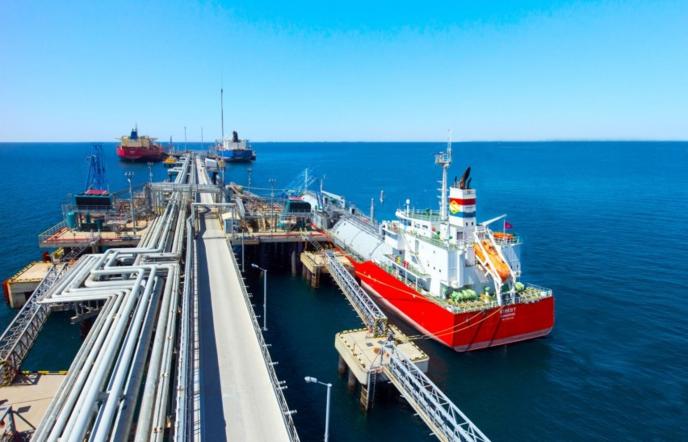
According to LIGA.net, overnight the Security Service of Ukraine struck the oil terminal Tamanneftogaz in Krasnodar Krai for the second time in the past month. Local residents reported a series of explosions and a fire at the facility.
"Drones of the Security Service of Ukraine struck the infrastructure of the Tamanneftogaz oil terminal in Krasnodar Krai, Russia, for the second time in the past month."
— LIGA.net (interlocutor in the security service)
Context and significance
The terminal is one of the largest in the Black Sea: its tank farm for storing oil products and liquefied gas exceeds 1 million m3. It is currently known that as a result of the previous attack on January 22 technological pipelines on the berths and several tanks (including tanks for vacuum gas oil and fuel oil) were damaged; estimated losses at that time were about ≈ $50 million.
The General Staff of the Armed Forces of Ukraine also reported another strike on this terminal on February 15, 2026. Taken together, the events indicate systematic operational work against infrastructure targets that has not only tactical but also strategic effects on the enemy's logistics.
Why this matters for Ukraine and for the reader
First, strikes on transshipment capacities reduce the enemy's ability to supply fuel and ammonia by sea, complicating its logistics and increasing the costs of detours and insurance. Second, this affects revenue streams that sustain the war machine — which is why such facilities are priority targets in an asymmetric strategy.
Analysts and military experts note that the ability of Ukrainian unmanned systems to operate deep inside enemy territory shifts the tactical balance and imposes additional administrative and financial burdens on Russia in securing port infrastructure.
Background
In addition to the January 22 strike (damaged pipelines and tanks, fires, losses ~ $50 million), on the night of December 22 last year drones also struck the Tamanneftogaz marine oil terminal — then firefighting lasted for more than a day. This is a pattern of repeated strikes on the same logistical node.
What’s next
In the short term, Russia's need to diversify routes and increase protection of critical infrastructure will grow. For Ukraine, such operations simultaneously serve a tactical function (stopping current supplies) and a strategic one — destroying or complicating the enemy's long-term logistical capacities. The next move will be up to partners and markets: how long the Russians will be able to compensate for these losses and at what cost.
Sources: LIGA.net (comment from an interlocutor in the security service), reports from the General Staff of the Armed Forces of Ukraine; local reports of explosions and fires.



