U.S. confirms readiness to monitor ceasefire — what it means for Ukraine's security
During talks in Abu Dhabi, U.S. participation in monitoring the ceasefire was confirmed. We break down why this matters now and which technical and political issues remain unresolved.

By Tetiana Suchkova-Ladik
February 7, 2026 · 2 min read
Position and source
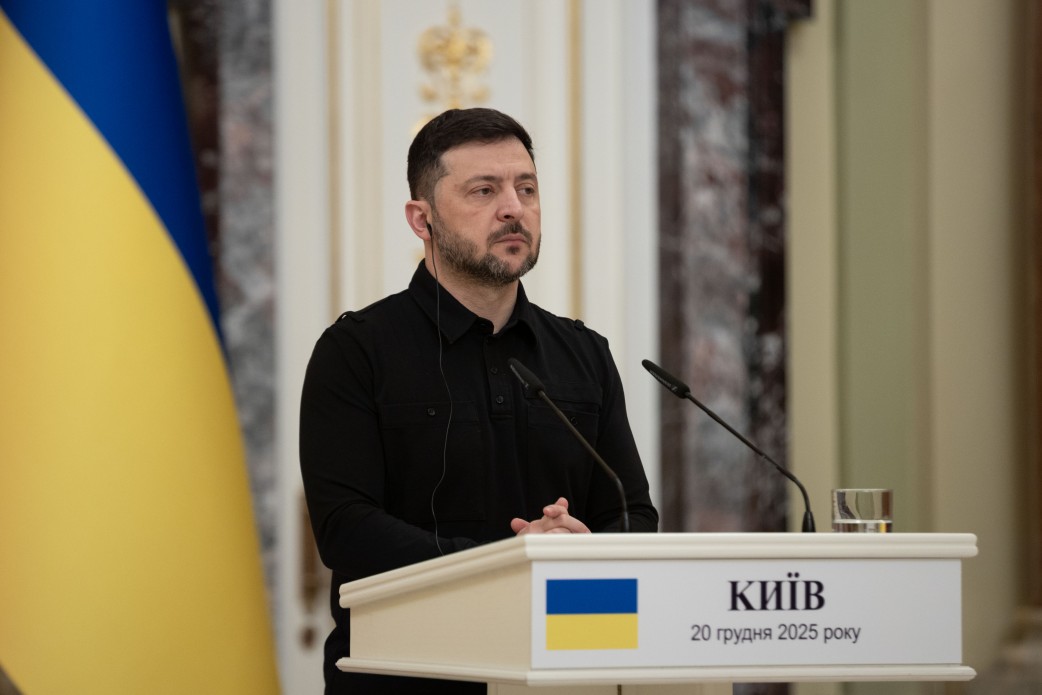
During a press briefing in Abu Dhabi, President Volodymyr Zelensky said that the United States has confirmed its readiness to participate in monitoring a potential ceasefire in Russia's war against Ukraine. The information was reported by an LIGA.net correspondent. According to the head of state, the military parties discussed the technical aspect of such monitoring and options for its implementation.
"So the US confirm their participation. As for Europe — that does not mean they will not be part of this process. I am simply saying what was discussed and what was not discussed at this meeting in Abu Dhabi"
— Volodymyr Zelensky, President of Ukraine
Why this matters
US participation in monitoring is not only about technical capabilities (satellites, intelligence, surveillance systems), but also about political weight that can increase the likelihood of compliance with the terms of a ceasefire. American presence creates an additional level of trust for the Ukrainian side and potentially raises the costs for the party that violates the ceasefire.
What has already been agreed in Abu Dhabi
Talks on February 4–5 with the participation of Ukraine, Russia and the US ended with an agreement on a prisoner exchange and discussions of methods for implementing a truce and its monitoring. According to Zelensky, the Russian delegation also began to speak more concretely about mechanisms for controlling the ceasefire.
Risks and open questions
Even with confirmed American involvement, key technical and legal questions remain: what will the monitoring mandate be, which tools and with whom exactly will observers have access, and what mechanisms will be in place to respond to violations. Zelensky emphasized that the US "are speaking for themselves" — meaning the Americans are ready to be responsible for their own participation, but do not replace other international participants in the process.
Conclusion
If the US enters the monitoring mechanism with an appropriate technical and political mandate, this could increase the chances of a truce being upheld. However, effectiveness will depend on clear procedures, international coordination and the willingness of the parties to abide by their commitments. Now the ball is in formalizing these agreements — will speeches and accords turn into concrete control mechanisms?



