U.S. deploys Abrams unit to Romania — what it means for NATO's southern flank
The rotation of Abrams tanks in Romania does not formally increase the size of the contingent, but is an important signal of defensive readiness and allied cooperation. We examine why this matters for the security of the region and for Ukraine.

By Tetiana Suchkova-Ladik
January 26, 2026 · 2 min read
What happened
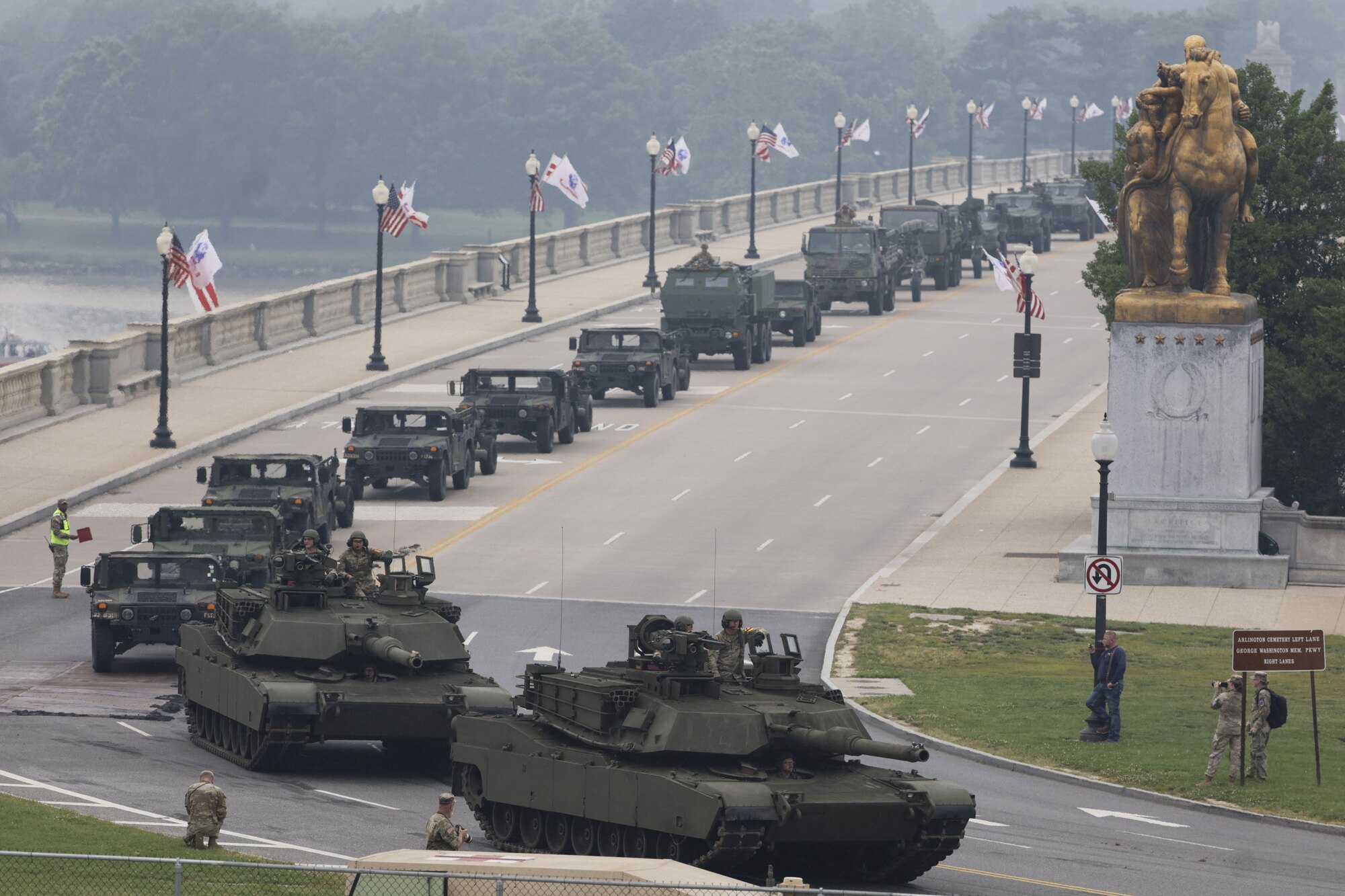
Romania’s Chief of the Defence Staff Gheorghe Vlad told Romania Journal that a detachment of American soldiers equipped with Abrams tanks will be sent to the country. According to the official, this is intended to raise “the quality and combat capability of the forces stationed in Romania.”
"In the near future a detachment of American soldiers equipped with Abrams tanks will be deployed in Romania"
— Gheorghe Vlad, Chief of the Defence Staff of Romania
Context: rotation, not a mass buildup
Officially the US calls this part of a rotational presence, not an increase in the contingent. After the reduction announced in October 2025, about 1,000 American service members remain in Romania, and together with European forces — about 3,500 soldiers. Romania is also in the process of purchasing 54 Abrams tanks, which strengthens its own armored capability.
Why it matters
Abrams are among the most powerful main battle tanks of the United States. Even a rotational deployment of such equipment serves several purposes at once: it improves the capability of local units through joint training, strengthens tactical deterrence on NATO’s southern flank, and sends a clear signal of support to allies.
This signal matters not only for Romania. As Bloomberg wrote (Dec. 1), in the event of an escalation Russia could create a time vacuum before NATO reinforcements can fully arrive — that countdown could be measured in weeks. In such a situation, the readiness of local forces and the availability of equipment are decisive.
What it means for Ukraine
For Ukraine, the deployment of Abrams in Romania represents both direct and indirect support. Direct — by increasing the resilience of a neighboring country on the land front; indirect — by strengthening logistical and training ties in the region, which raise the alliance’s overall operational readiness. Experts note that even when troop numbers are reduced, the quality and demonstration of capabilities remain an important element of deterrence.
Conclusion
Technically, this is a rotation. In practice, it is another marker that allies are supporting readiness in the region, given the risks posed by the proximity of a large conflict. The key question now is whether these signals will turn into systemic investments in infrastructure, training, and logistics that will ensure the long-term resilience of NATO’s southern flank and enhance Ukraine’s security?



