U.S. delays national security strategy amid disputes over China
The release of two of Trump's strategic national-security documents was delayed amid disputes over wording on China. The Treasury Secretary demanded that the rhetoric be toned down because of trade talks with Beijing.

By Tetiana Suchkova-Ladik
December 4, 2025 · 2 min read
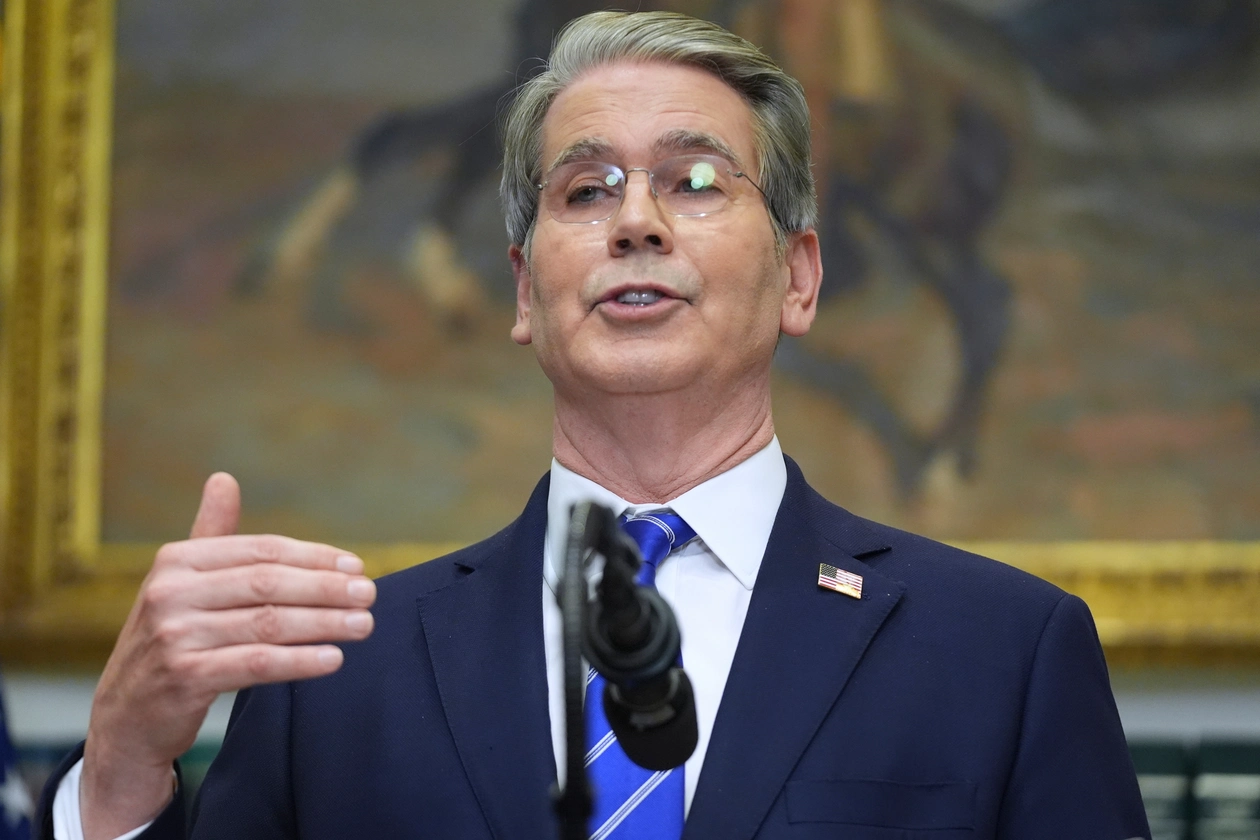
The Donald Trump administration delayed the publication of two key security documents over disagreements about wording on China. Treasury Secretary Scott Bessent demanded changes to the rhetoric, given trade negotiations with Beijing.
Reasons for the delay
The National Security Strategy and the National Defense Strategy were supposed to be published last fall. The documents went through several rounds of edits after Bessent's intervention, as he insisted on adjusting language concerning China.
According to three sources familiar with the matter, the treasury secretary wanted to soften some wording about Beijing's actions. The exact nature of the changes remains unknown, but any edits to one document required analogous adjustments to the other.
In addition to the China issue, the new strategy pays more attention to the Western Hemisphere than previous versions. This concerns migration, drug cartels and relations with Latin America.
Officials' positions
The Treasury Department responded with a restrained statement:
Bessent is 100 percent aligned with President Trump on the approach to relations with China, as is the rest of the administration
– a U.S. Treasury Department official
At the same time, Defense Secretary Pete Hegset plans to deliver a speech on accelerating weapons production to counter the Chinese threat. He is also working on creating a military communications system between the U.S. and the PRC to prevent conflicts.
Controversial policy toward Beijing
Bessent said at a conference that China is meeting commitments under the trade deal, including purchasing 12 million tons of soybeans by February 2026.
China is on track to fulfill every part of the agreement
– Scott Bessent, Treasury Secretary
These statements contrast with the tense situation in the Indo-Pacific region, where Beijing is increasing its military presence. The PRC regularly sends fighter jets and warships to the waters off Taiwan, despite U.S. law supporting the island.
Shift in priorities
The last National Security Strategy was released in 2022 under the Biden administration. That document emphasized competition with China and Russia, domestic industrial policy and climate change.
The new version retains these themes but increases the focus on defending the American continent. Similar changes occurred in the National Defense Strategy, which has raised concerns among military commanders.
Context
Both documents are due to be released this month. After their publication the administration will present a "global posture review" — an analysis of the deployment of U.S. military assets worldwide. Allies from Germany to South Korea, where tens of thousands of U.S. service members are stationed, are eagerly awaiting this review.
For most administrations the National Security Strategy is released once per term. Therefore, the participation of the Treasury Secretary and other cabinet members in discussions is common practice, which ensures a coordinated position across the government.



