Daily minute of silence at 9:00 a.m.: Parliament enshrined the ritual of remembrance — what will change
The Verkhovna Rada has passed bill No. 14144 introducing a daily state signal at 9:00 a.m. and system-wide notifications via the media and alert services. We explain how it will work and why it matters for societal resilience.

By Tetiana Suchkova-Ladik
February 11, 2026 · 2 min read
Decision in two sentences
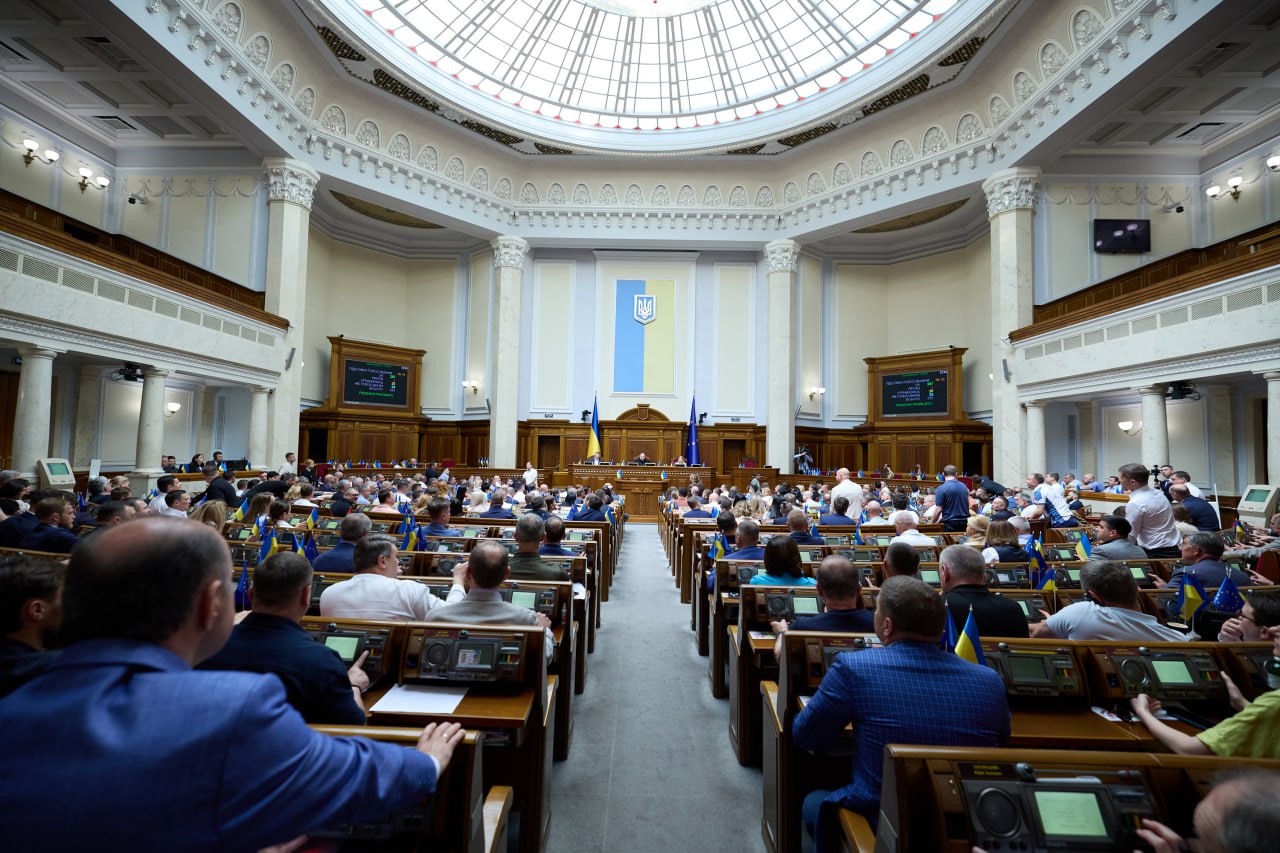
The Verkhovna Rada approved in its entirety bill No. 14144, which establishes by law a daily nationwide minute of silence at 09:00. The session was broadcast on the Rada TV channel; 260 deputies voted for its adoption.
What the law provides
State authorities and local self-government bodies are required to inform the public about the start and end of the minute of silence through the mass media and civil protection alert systems. The text of the law also enshrines an annual action to honor the victims of the Holodomor: on the fourth Saturday of November at 16:00 — a minute of silence and the "Light a Candle" action.
"The introduction of a nationwide minute of silence is an element of a new culture of remembrance during the war, which paramedic Iryna Tsybukh sought in her lifetime."
— Olena Kondratyuk, Vice Speaker of the Verkhovna Rada, one of the bill's authors
How this will work in practice
The announcement will be synchronized through central and local channels: television, radio, government websites and civil protection alert systems. In Kyiv, by resolution, from September 2025 Khreshchatyk will be closed daily during the nationwide minute of silence — an example of how a ritual can affect urban life and traffic.
Why this matters — and what the risks are
Rituals of remembrance perform several functions: they consolidate society, provide a visible sign of recognition of losses, and help organize a shared process of mourning. For people whose loved ones were taken by the war, this can become an important form of moral recognition.
At the same time, there is a risk that symbolic acts will replace concrete support — material, psychological, legal. The effect of the ritual will depend on the next steps: how clearly the implementation is planned, who the assistance is addressed to, and how the state combines symbols with actions.
What to expect next
The task for the executive branch now is to develop notification standards, local procedures and mechanisms to support families of the fallen. The question for society: will the daily minute of silence become an effective tool of national resilience, or will it remain a formal ritual?



