Six Days in Icy Water: How State Emergency Service Divers Repaired a CHP Pipe in Kyiv
During a freeze of up to −15°C, emergency responders carried out an underwater special operation — halting the leak allowed heating to be restored for thousands of Kyiv residents. We explain what happened and what the consequences are for the city's energy resilience.

By Tetiana Suchkova-Ladik
January 22, 2026 · 1 min read
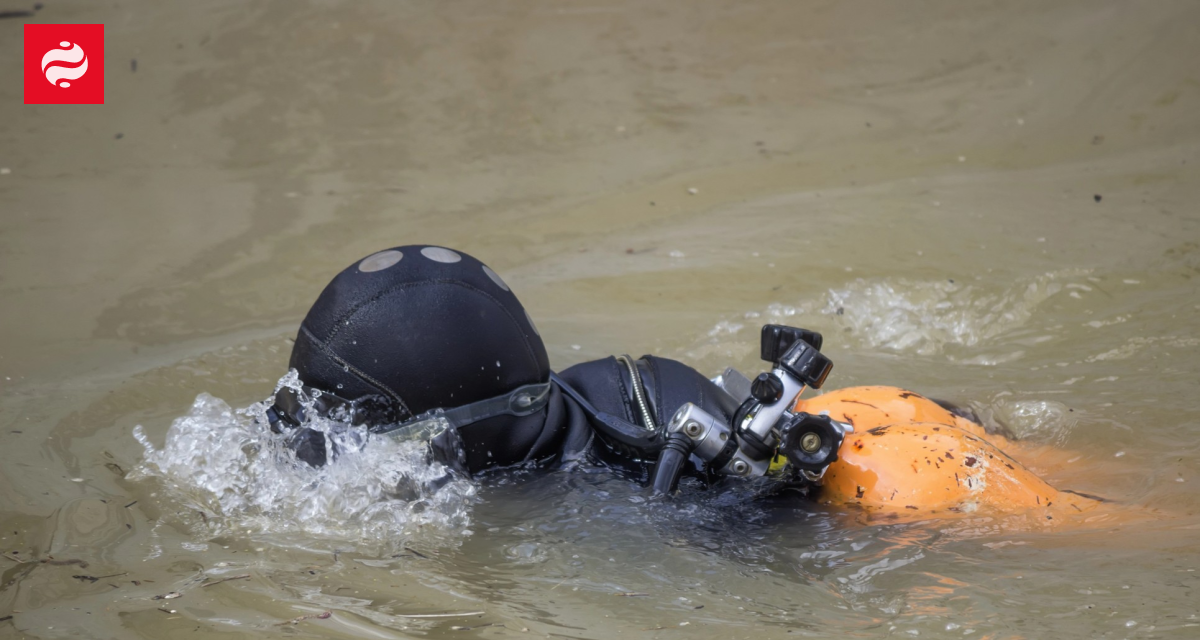
Underwater repair under extreme conditions
Divers from the State Emergency Service repaired a pipe at one of Kyiv’s thermal power plants that had been damaged by Russian shelling. The operation lasted six days in temperatures down to −15°C, Minister of Internal Affairs Ihor Klymenko reported.
Why this matters now
The pipe damage caused flooding and complicated access to critical equipment on which the supply of heat and electricity to thousands of households depends. By stopping the leak, rescuers cleared the way for further restoration work needed to return heating to residential buildings.
"Without hesitation, in icy water and under extreme conditions our divers began work to eliminate the damage. The special operation lasted six days. The water leak was stopped, which allowed services to continue restoration work."
— Ihor Klymenko, Minister of Internal Affairs
Awards and operational picture
President Volodymyr Zelenskyy honored the operation participants with state awards: the Order "For Courage" III class was awarded to Artem Orlov, Denys Frolov and Mykhailo Khyzhniak; the Order of Danylo Halytsky — Andriy Vlasenko; the medal "To the Defender of the Fatherland" — Anton Haytana.
Mayor of Kyiv Vitali Klitschko reported that as of January 22 about 3,000 buildings in the capital remained without heating. Emergency power outages also continue in most regions.
What’s next: takeaways for security and infrastructure
This operation demonstrates how technical skill and a readiness to take on risk can bring critical infrastructure back online even in the toughest conditions. Energy analysts note that such situations highlight the need for backup supply channels, reserve funding for repairs, and proactive network modernization to reduce reliance on "emergency" fixes during a crisis.
Questions for the authorities and partners: will these local successes be turned into systemic network resilience to reduce the number of extreme interventions next winter?



