Memory Helmet halts start: how the IOC decision will affect Ukrainian sport
Putting emotions aside and analyzing the facts: the disqualification of Vladyslav Heraskevych is not just about the rules, but about the way the world perceives our memory.

By Tetiana Suchkova-Ladik
February 12, 2026 · 2 min read
What happened
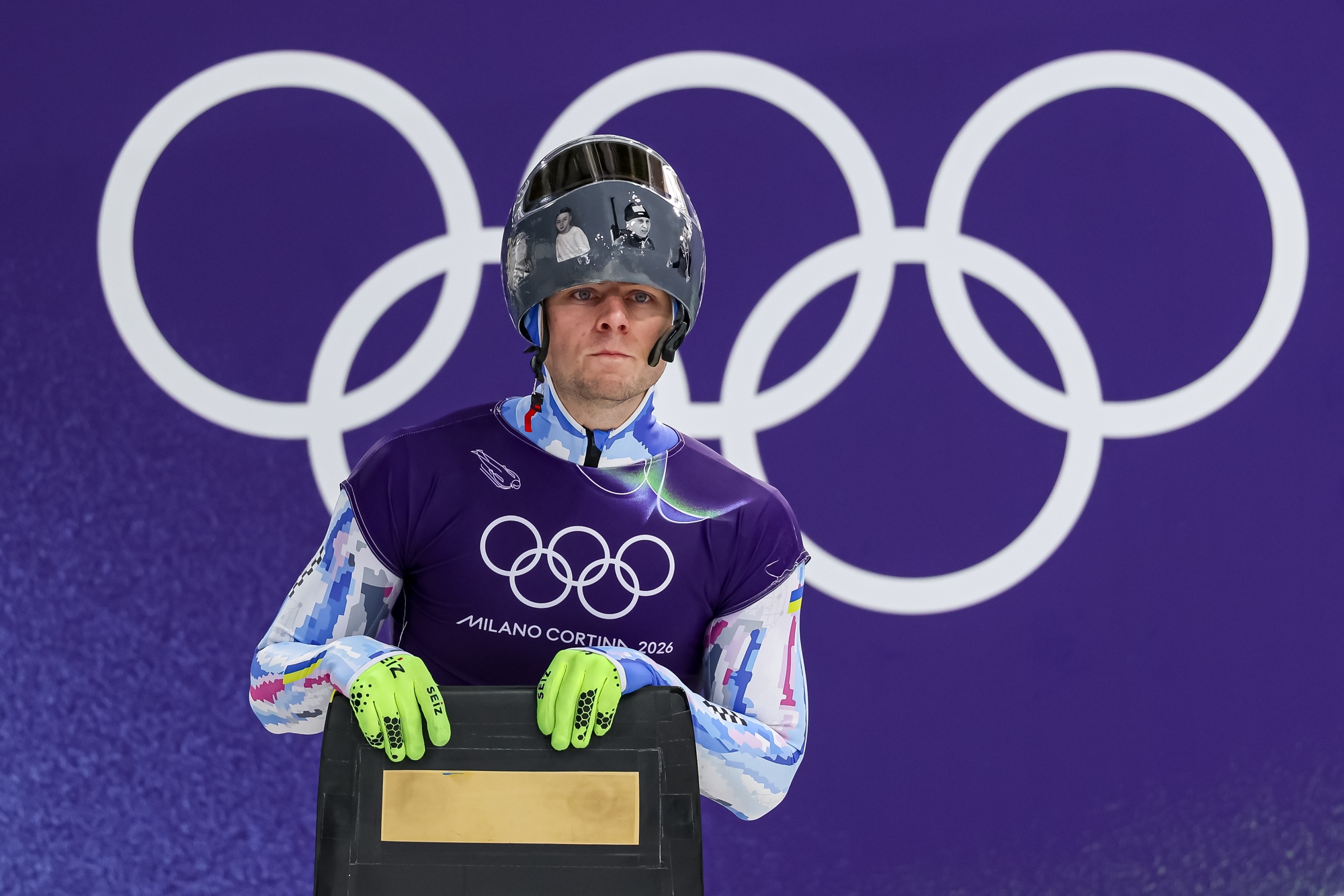
Ukrainian skeleton racer Vladyslav Heraskevych was not allowed to start in Cortina on 12 February 2026. The decision was officially made by the jury of the International Bobsleigh and Skeleton Federation (IBSF): the athlete's helmet “did not comply with the rules,” and because the athlete refused to follow the instructions he was prohibited from starting the run.
"Having been given a final chance, Ukrainian skeleton racer Vladyslav Heraskevych will not be able to begin his races at the 2026 Winter Olympic Games in Milan–Cortina this morning. This decision was made after his refusal to adhere to the IOC's guiding principles on athletes' self-expression."
— Official statement of the Olympic Games / IBSF
Positions of the parties
According to the organizers and the federation, alternatives were offered to the athlete: to display the helmet during training runs or to show it in the mixed zone after the competition. On 10 February the IOC allowed the use of a black band as a compromise. Heraskevych, according to reports, "did not consider any form of compromise."
"This is the price of our dignity."
— Vladyslav Heraskevych, skeleton racer (Instagram)
The NOC of Ukraine appealed to the IOC to allow the athlete to compete in the helmet, and the President of Ukraine thanked the athlete "for reminding the world of the price of our struggle" — adding a political and moral dimension to the case beyond purely sporting rules.
Why it matters
There are two interrelated dimensions: first, international sporting institutions seek to avoid political messages in competitions — this is the logic of neutrality and uniform rules. Second, for Ukraine and many Ukrainians this is not just a symbol — it is a reminder of the fallen and of the war, which affects the lives of sport and infrastructure. Here a conflict of values arises: universal rules versus local memory.
Timeline of key steps
- 9 February — Heraskevych announced the ban on the helmet bearing the names of the deceased; the president thanked him for reminding the world of the cost of the struggle.
- 10 February — the IOC allowed only a black band; the helmet was prohibited at the competition.
- 12 February — the IBSF decided not to allow the athlete to start due to his refusal to comply with the rules.
What’s next
This story could have several consequences: increased international pressure on the IOC and federations to be more flexible with rules in cases of symbolic remembrance; strengthened domestic solidarity around the athlete; possible appeals by the NOC of Ukraine. At the same time, sport will remain a battleground for symbols — and how international institutions handle such cases will affect not only the reputation of those organizations but also the world's perception of Ukraine's truth.
The question that remains: will international sporting institutions be able to find a balance between the principle of neutrality and the right to remembrance, when behind the symbols lie human losses and national trauma?



