"Schroeder - Definitely Not. Who Can Actually Represent Europe in Negotiations with Russia"
Foreign Affairs Minister Andriy Sybiga confirmed that there are candidates from Europe for talks with Russia, but the Kremlin will not determine who they are. According to Politico, the real choice is between Merkel, Stubb, and Draghi.

By Tetiana Suchkova-Ladik
May 22, 2026 · 2 min read
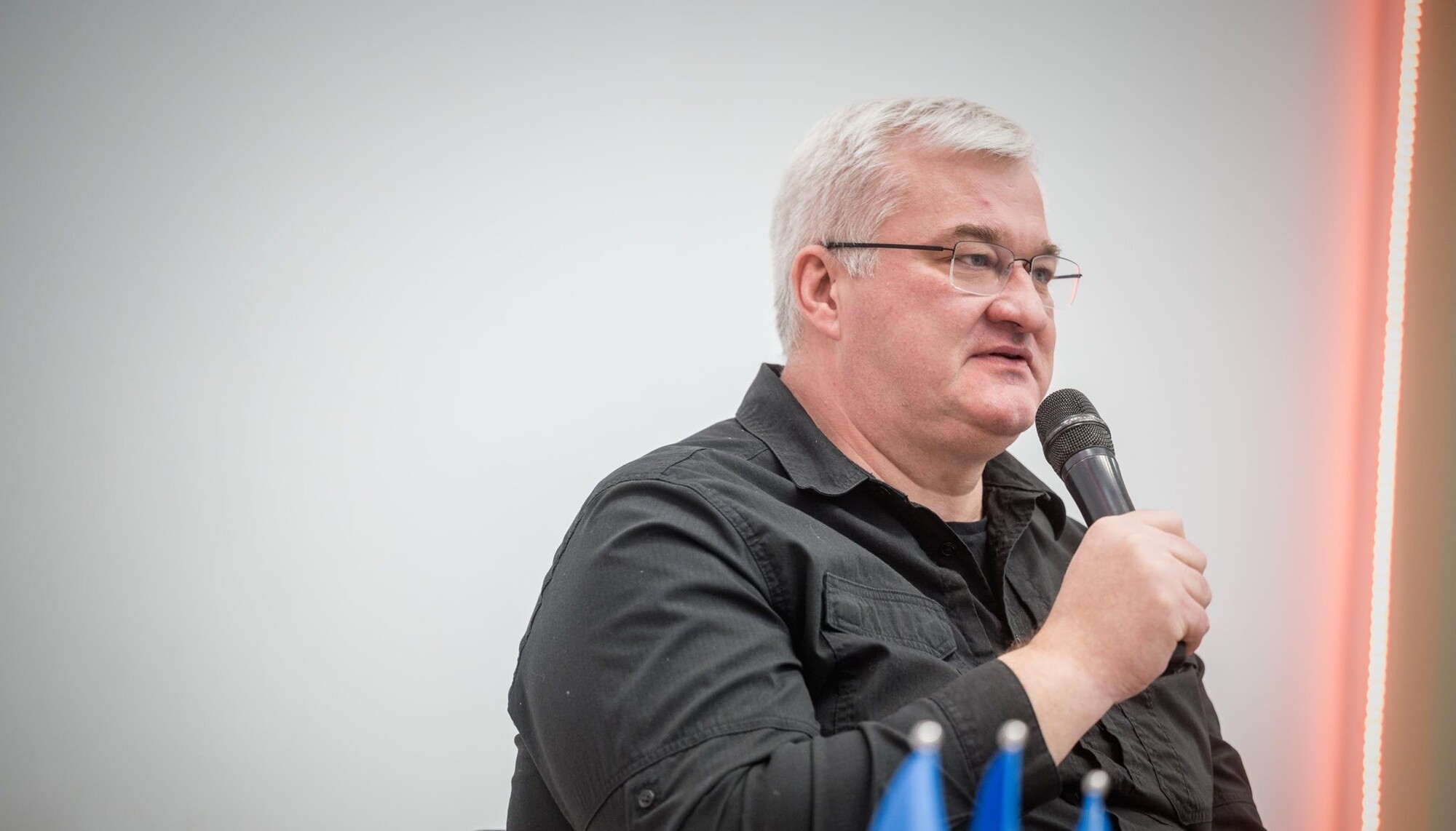
The question of who will represent Europe in possible peace negotiations with Russia has moved beyond abstract discussions. Putin himself proposed a candidate: former German Chancellor Gerhard Schröder — a long-time Kremlin ally who continued traveling to Moscow after 2022 to discuss energy contracts.
Kyiv's response came quickly and without diplomatic evasions.
«There are certain names. I won't name them because this is a diplomatic process, but it's definitely not Schröder»
— Foreign Minister Andrii Sybiha, online briefing for media
Sybiha then joked that the Russians should stop proposing «Gérard Depardieu, Steven Seagal, I don't know — maybe they'll even bring Orbán as a negotiator on their side». Behind the joke was a specific position: Moscow has no right to appoint Europe's representative.
EU foreign policy chief Kaja Kallas called Schröder a «Russian lobbyist» and categorically rejected his candidacy, noting that «giving Russia the right to appoint a negotiator on our behalf would not be very wise». Berlin also officially rejected Putin's proposal, and one German official told Reuters that this was a «false proposal aimed at dividing the Western alliance».
Who's on the list
According to Politico, the real discussion is now centered on three candidates: former Chancellor Angela Merkel, Finnish President Alexander Stubb, and former Italian Prime Minister Mario Draghi.
- Merkel — has experience in direct negotiations with both Putin and Zelenskyy, speaks Russian fluently. However, previous negotiations in the «Normandy format» yielded no results.
- Stubb — has mediation experience and previously expressed interest in the mediator role, but Finland's NATO membership could make him unacceptable to Moscow.
- Draghi — enjoys broad respect in Europe and is not perceived as either bellicose or sympathetic to the Kremlin. No public signals of his willingness to take on this role have been received.
The most obvious candidate — Kallas herself — has effectively withdrawn. Three EU diplomats warned Politico that the Kremlin would quickly reject Kallas's candidacy because of her tough anti-Russian stance. «Unfortunately, she has excluded herself from among the contenders,» said one senior diplomat.
What's behind this
Sybiha emphasized that Kyiv does not want Europe to replace the United States in the negotiation process. European initiatives should complement Washington's diplomatic efforts. «This should be a complementary direction — not instead, not an alternative,» the minister said.
At the same time, he stressed that Europe must present a united front — a common, consolidated position, a single voice in negotiations with Russia. This is why the question of the negotiator's identity is not a personnel issue but a strategic one: whoever sits down at the table will embody either European unity or its division.
The second round of negotiations in Istanbul on June 2 concluded with an agreement on a prisoner exchange of 1,200 for 1,200, but without any substantive breakthrough. Russia has still not submitted a memorandum with its peace terms, while Ukraine plans to present a detailed plan for achieving sustainable settlement.
If Moscow tries once again to block any acceptable candidate — just as it rejected Kallas for «excessive rigidity» — it will become clear that the Kremlin is not seeking a negotiator but a tool for legitimizing its own conditions.



