Storm truce at sea: why Russia is limited in missile strikes until spring
A Naval Forces spokesperson says the six-month storm season in the Black and Azov Seas significantly complicates the launch of sea-launched missiles — a temporary window to bolster coastal defense and reconnaissance.

By Tetiana Suchkova-Ladik
January 19, 2026 · 2 min read
What happened
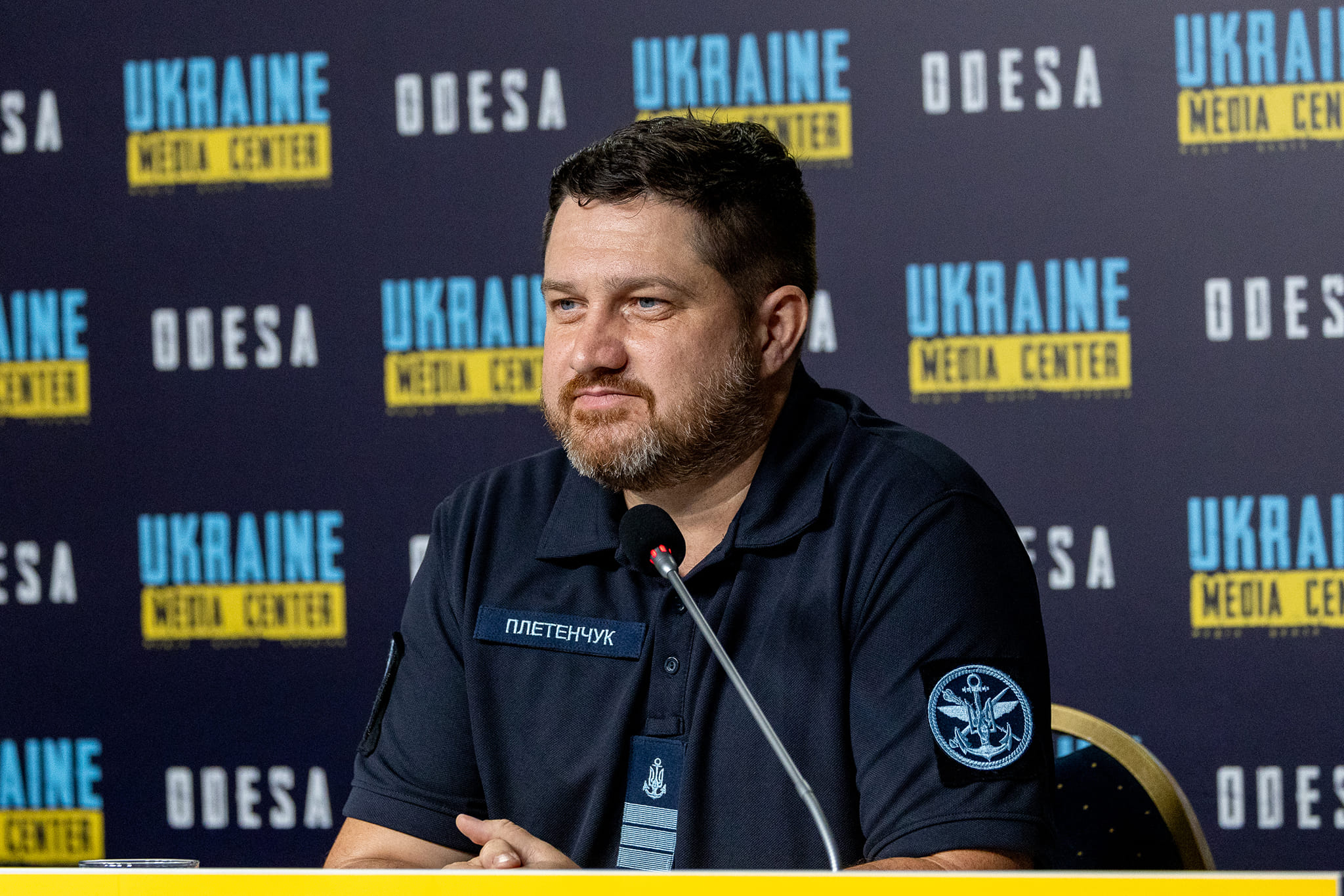
Missile launches from ships and submarines in the Black and Azov Seas are currently significantly complicated by the storm season. This was reported on the telethon by the spokesperson of the Naval Forces Dmytro Pletenchuk, who noted that in recent days the sea has remained at storm levels.
"Storms of three to four points have persisted for several days, the use of maritime platforms is not taking place. Not because the ships cannot go out — they can — but because on such a sea, as a rule, no one risks launching"
— Dmytro Pletenchuk, spokesperson of the Naval Forces
Why it matters
Storm conditions at sea affect several critical factors: the stability of the platform during launch, the reliability of guidance and communications systems, and the navigational safety of basing. In addition to weather conditions, Pletenchuk drew attention to the geographical constraints of the base in Novorossiysk, where navigation is complicated even in moderate weather. Taken together, this significantly increases the risks of conducting mass maritime strikes.
Confirmation and broader context
This picture is complemented by several related reports: in December 2025 the Naval Forces reported the presence of two additional submarine carriers of "Kalibr" missiles in the Black Sea; on January 5, 2026 Turkey emphasized the importance of security in the waters; on January 15 the Naval Forces spokesperson reported attempts by Russia to conceal the movements of a "shadow fleet" through GPS spoofing. Analysts and maritime security experts note: the weather factor does not make the threat zero, but it gives a tactical advantage to those who can quickly exploit informational and technical superiority.
Consequences for Ukraine and partners
For Ukraine this means a short-term reduction in the risk of pinpoint maritime missile strikes and, at the same time, an opportunity to strengthen coastal defenses, deploy additional maritime reconnaissance assets, and adjust the schedule of aviation patrols. For partners — a clear signal about the importance of continuous monitoring of the waters and support for surveillance capabilities, even when enemy activity declines.
What's next
The weather shield will last roughly until mid-spring, but this is not a guarantee of complete safety: the adversary may switch to other means — land-based launches, air strikes, or small-series attacks during favorable weather windows. Therefore, the task is not to relax, but to use this time to reinforce early detection and response systems. Whether the temporary advantage provided by the weather can be turned into a lasting one depends on the coordination of national forces and partner support.



