Seven Persian Gulf states want Ukraine's air defenses. What will Kyiv get in return?
Saudi Arabia, the UAE and Qatar have already signed agreements, with Bahrain, Oman, Kuwait and Jordan next in line. But the details of the deals remain undisclosed.

By Tetiana Suchkova-Ladik
March 30, 2026 · 1 min read
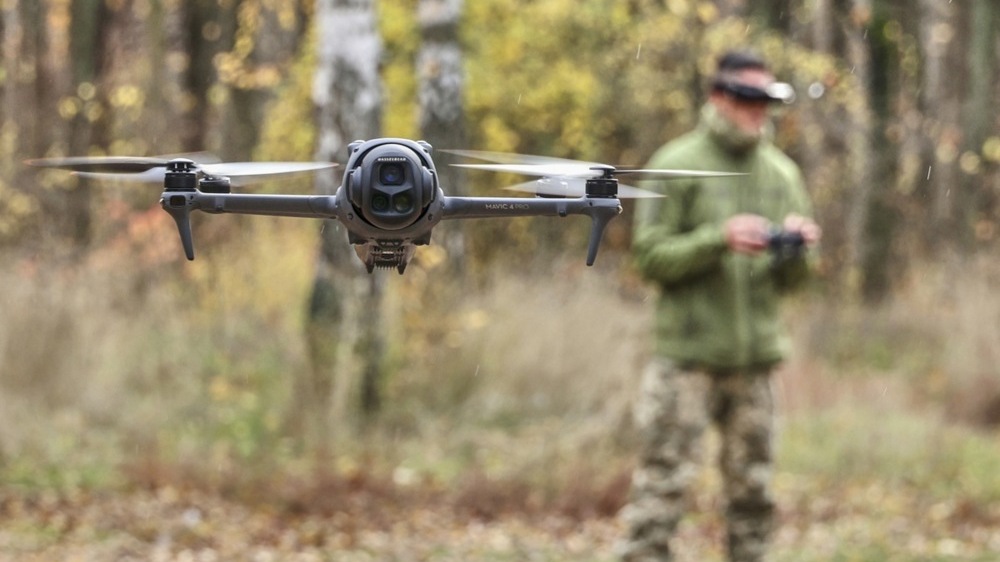
An engineer from Kharkiv who survived dozens of missile strikes hardly imagined that his experience would one day become a commodity on the Persian Gulf market. But it is precisely that experience—the combat use of air-defense systems under real conditions of massed attacks—that is now of interest to at least seven countries in the region.
On March 30, President Zelensky announced "historic agreements" with Saudi Arabia, the UAE and Qatar regarding Ukrainian defense systems. At the same time, he said, negotiations are underway with Jordan and Kuwait, and Bahrain and Oman have sent requests for cooperation.
This is not about supplying ready-made weapons—Ukraine needs those itself. It is about exporting technologies, software and, more importantly, live experience: how to build a layered defense, how to integrate different types of systems, how to train crews to act under pressure.
In return, Kyiv is counting on concrete things: strengthening its own air-defense shield, joint production of defense components and deliveries of diesel fuel—fuel for generators and equipment remains a critical import.
The Gulf states have their own logic. After the Houthi attacks on Saudi Arabia's oil infrastructure in 2019 and the ongoing threat from Iran, the demand for effective air defense there is entirely real. American systems are expensive and tied to Washington's political conditions. Ukrainian ones—tested in the harshest conditions and, it appears, more accessible in negotiation terms.
The problem is that no details of the agreements have been made public. Zelensky called them "historic," but without disclosure of volumes, timelines and implementation mechanisms this remains a declaration of intent. Defense diplomacy is rarely transparent—but it is precisely the lack of specifics that prevents an assessment of whether the exchange is balanced.
The question that will determine the real value of these agreements is whether Ukraine will receive air-defense components or production capacity by next winter—or whether the agreements will remain at the level of memoranda?



