Seven Victims, Legal Rifle, and Fleeing Police: What We Know About the Terror Attack in Holosiyivskyi
Dmitry Vasilchenkov, a 58-year-old Moscow native with a criminal background, obtained a confirmed weapons permit in December 2025 — and in April shot seven people. The investigation is now examining both the doctors who signed the medical certificate and the police officers who fled the scene.

By Tetiana Suchkova-Ladik
April 20, 2026 · 2 min read
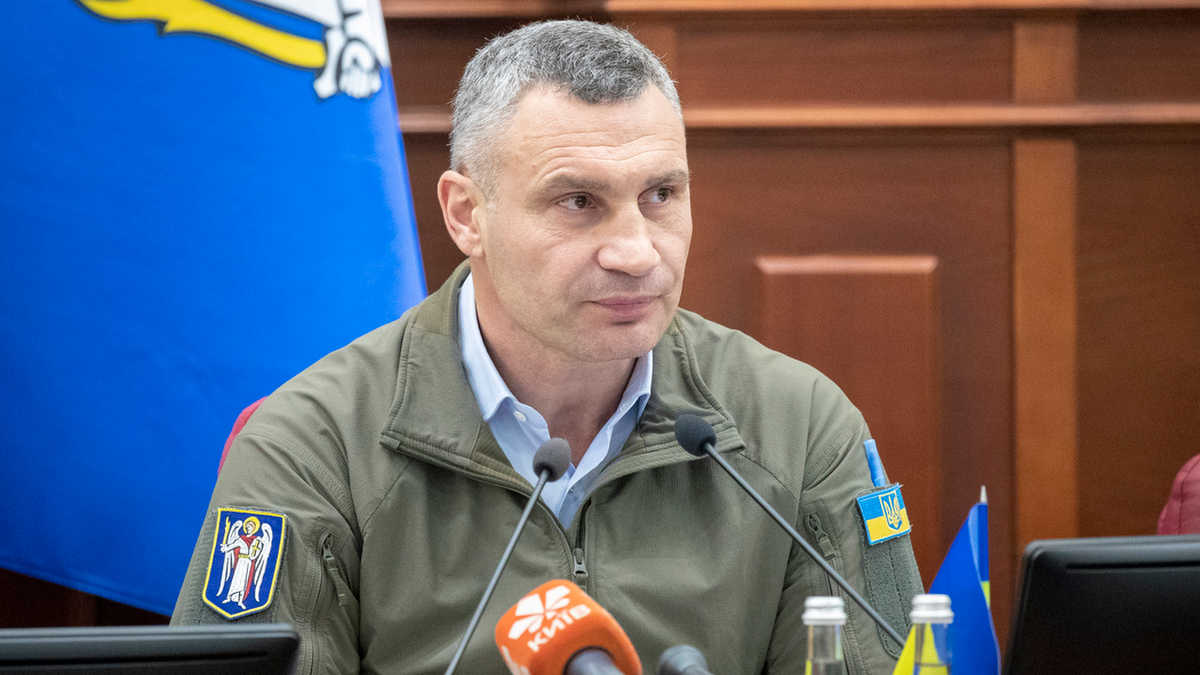
Seven people killed, four in intensive care — this was the toll of the terrorist attack in Kyiv's Holosiyivsky district by the evening of April 20, two days after it occurred. According to Kyiv Mayor Vitali Klitschko, among the wounded still in hospitals is a child; two adults are being treated in the trauma department.
How it happened
Based on a reconstruction of events presented by National Police Chief Ivan Vyhivskyi, the attack began with a domestic dispute. Fifty-eight-year-old Dmytro Vasylchenko quarreled with his neighbor and shot him with a traumatic pistol. He then returned to his apartment, set it on fire with flammable liquid, took a carbine, and went out onto the street.
"He shot at close range with single shots; people had almost no chance. He would approach and shoot."
— Interior Minister Igor Klymenko
After Demiyivska Street, the attacker entered a supermarket and took hostages. Forty minutes of negotiations yielded no results. KORD special forces proceeded with an assault — and eliminated Vasylchenko after he killed another person inside the store.
Who he was
Prosecutor General Ruslan Kravchenko confirmed: Vasylchenko was born in Moscow, a Ukrainian citizen, born in 1968, a military pensioner. In the burnt apartment, investigators found documents in Russian. On social media, he left, according to police, "rather negative" posts — "one could not say he held the position of a Ukrainian."
Previously, Vasylchenko had been prosecuted for causing minor bodily harm, but reconciled with the victim in court, and the proceedings were closed. This did not serve as grounds for revoking his weapons permit. On December 15, 2025, he successfully completed the renewal process — and received a permit for the carbine with which he would later kill people.
Two failures in one day
Alongside the tragedy of victims, the investigation has recorded two institutional failures. The first is the weapons permit system: police have launched an inspection of the medical facility that issued Vasylchenko a certificate despite his criminal history and, according to neighbors' testimony, his withdrawn and unstable character.
The second concerns the actions of patrol officers at the scene. A video appeared online showing two police officers who responded to the call fleeing from the terrorist to their patrol car without firing a single warning shot. The head of the Patrol Police Department, Yevhen Zhukov, submitted his resignation. Both officers have been suspended from duty, and a criminal investigation has been launched. Minister Klymenko called their actions "a shame for the entire system."
- Criminal proceedings — under Part 3 of Article 258 of the Criminal Code of Ukraine (terrorist act resulting in loss of life)
- Departmental investigation into patrol officers' actions — under Klymenko's personal supervision
- Separate inspection of the medical facility that signed the permit certificate in December 2025
- Zelensky announced "personnel decisions across the entire Interior Ministry hierarchy"
The real question will arise after the investigations conclude: if it turns out that the medical certificate was issued in violation of regulations — will this become grounds for a systemic review of weapons permit issuance criteria, or will it be limited to punishing the specific physician.



