Calm as a Strategy: Why Ukraine Should Avoid a War of Words with Hungary Ahead of the Elections
In high diplomacy, it's not loud statements that matter, but quiet calculations. Professor László Bruszt urges Kyiv to a measured response — and explains why this could protect Ukraine's interests during a critical pre-election period in Hungary.

By Tetiana Suchkova-Ladik
March 11, 2026 · 2 min read
Context: why this topic matters now
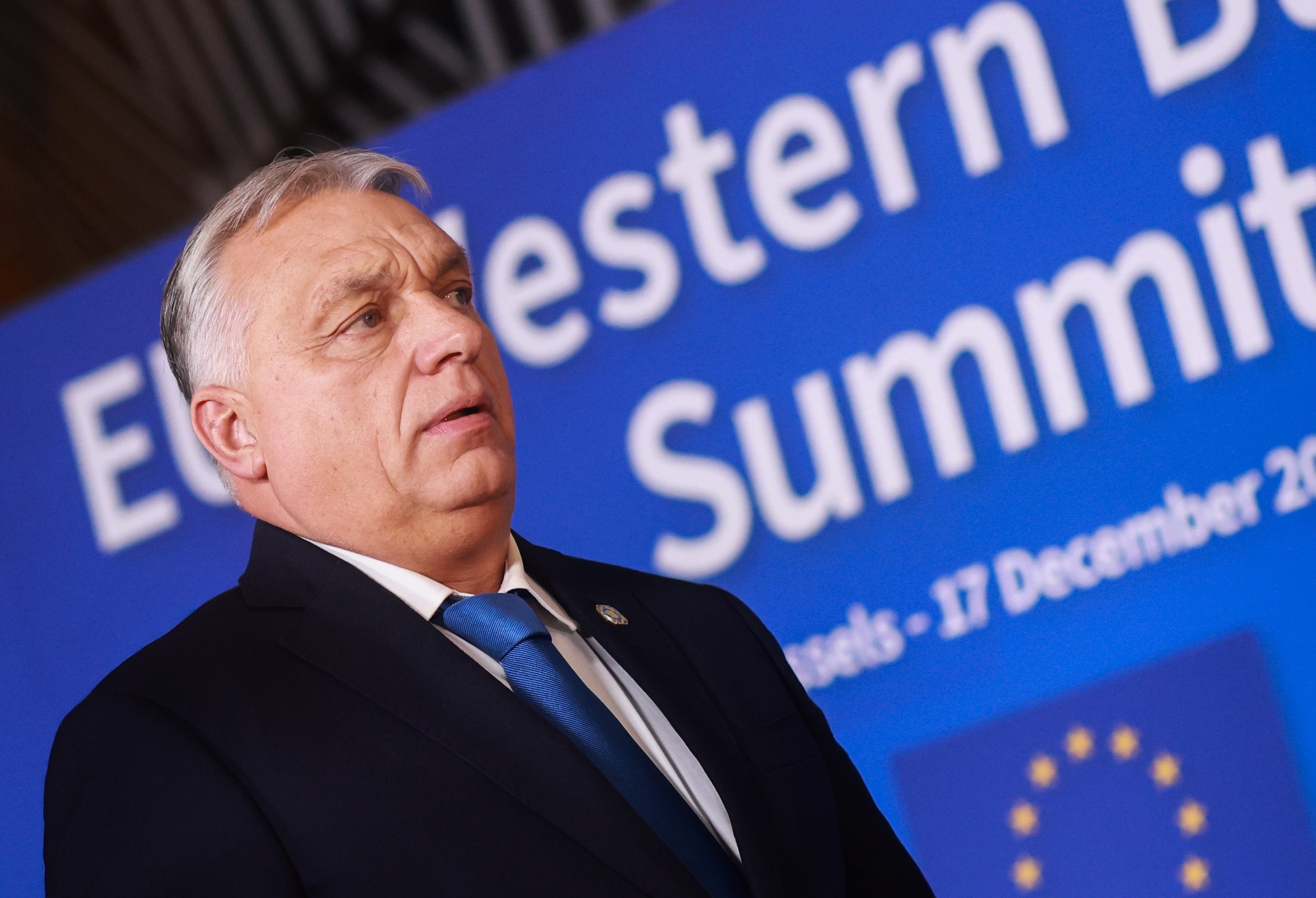
Currently relations between Kyiv and Budapest are under additional strain against the background of a number of specific events: the blocking of an EU loan of €90 billion (20 February 2026), public statements and diplomatic escalations in early March, and an incident involving the detention of Ukrainian cash couriers near Budapest on 6 March. Against this backdrop, parliamentary elections will be held in Hungary on 12 April 2026, the result of which could directly affect Budapest's future course toward Ukraine.
Expert position
"Ukrainian officials should respond more calmly to aggressive statements by Hungarian politicians. Ukraine does not need a verbal confrontation with another neighbor. Most Hungarians would like to see a free and flourishing country as a neighbor and a full-fledged EU member"
— Laslo Bruszt, director of the Institute of Democracy, professor of sociology at Central European University (Budapest)
Why calm may be more beneficial for Ukraine
Rationality: verbal escalation at this moment could strengthen electoral moods in favor of the ruling coalition in Hungary, which is interested in political risks and external crises as a mobilization tool.
Practical consequences: decisions by the Hungarian government have already affected Ukraine's economic interests — the suspension of transit of Russian oil and the blocking of the European loan directly affect finances and reconstruction. Verbal confrontations can complicate work on diplomatic channels to recover funds and restore cooperation.
Social space: experts note that in democratic election cycles external rhetoric is often used as an element of domestic politics. Therefore moderate diplomacy can reduce the possibility of instrumentalizing the Ukrainian issue within Hungary.
Brief chronological snapshot of key facts
- 20 February 2026 — Hungary blocked an EU loan of €90 billion in response to the halt of Russian oil transit through the "Druzhba" pipeline.
- 5 March 2026 — President Zelensky made a public statement about a potential blocking of the loan, apparently addressed to a specific individual.
- 6 March 2026 — seven Ukrainian cash couriers were detained near Budapest; they later returned to Ukraine, while the funds remain under the control of Hungarian authorities.
- 12 April 2026 — parliamentary elections in Hungary, which may determine the country's future foreign policy course.
Conclusion: tactics instead of emotion
According to Laslo Bruszt, what matters for Ukraine today are not loud responses but preserving options for diplomatic maneuvering. That means combining public firm defense of national interests with careful behind-the-scenes work — so that political changes in Hungary do not turn into a new risk factor for Ukraine's security and reconstruction. The ball is now in the partners' court: declarations and rhetoric must be turned into concrete steps that will guarantee our country's financial and energy resilience.



