Attempt to embezzle nearly UAH 3 million for reconstruction: Zaporizhzhia councilwoman suspected of falsifying decisions
The Prosecutor General’s Office reports a suspicion: the area of a house was artificially increased from 69 to 210 sq. m to obtain higher compensation — what this means for the recovery program and public trust.

By Tetiana Suchkova-Ladik
March 26, 2026 · 2 min read
Why this matters
When every hryvnia for reconstruction is directly tied to the security and housing of those affected, cases of possible abuse jeopardize trust in state programs. Cases of this kind are not only criminal matters but also a risk to the pace of recovery.
What happened
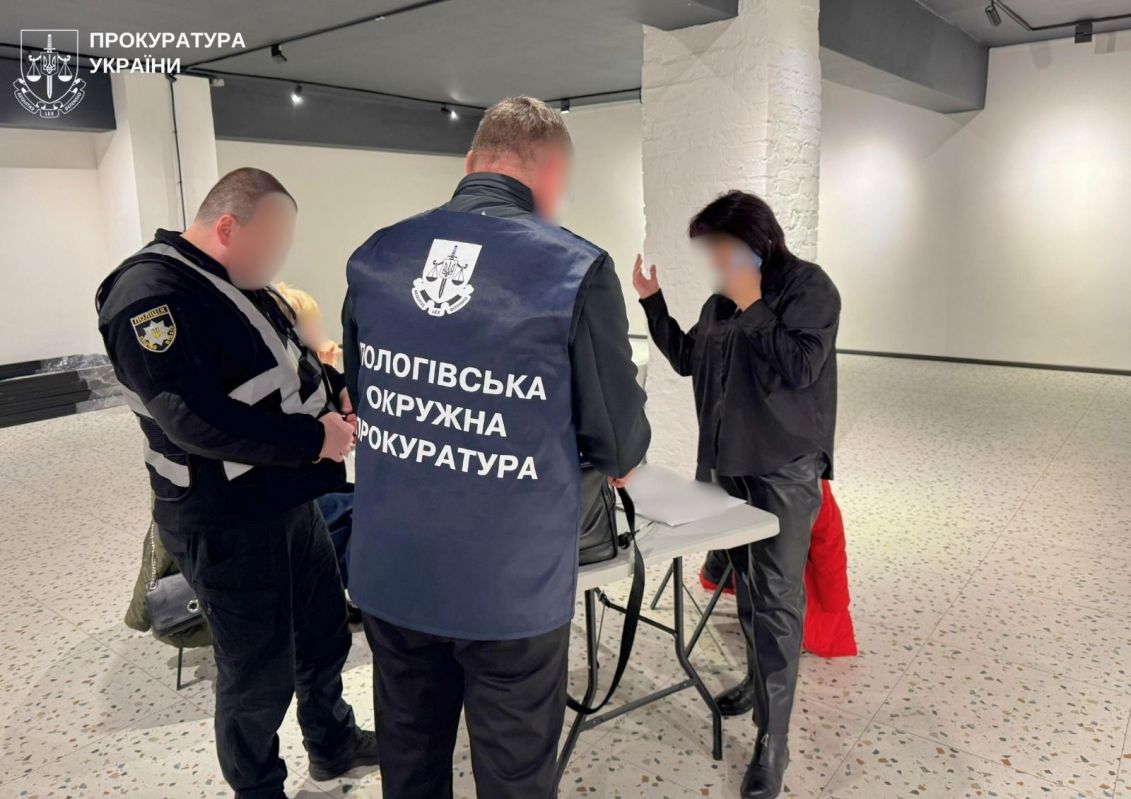
In Zaporizhzhia, law enforcement officials have charged a deputy of the local council with attempting to illegally obtain more than UAH 2.8 million in compensation for allegedly destroyed housing. According to the investigation, she submitted forged documents in which the house area was increased threefold — from 69 to 210 sq. m. The size of payments depends on the area, so the goal, according to the prosecutor's office, was a significant increase in the compensation.
"Being aware of the discrepancy with the actual data, she attempted to obtain more than UAH 2.8 million"
— Office of the Prosecutor General
How the scheme worked (briefly)
Under the standard logic of compensation through the «єВідновлення» program, the amount of payments is adjusted according to the area and the damage status. Forging an executive committee decision to change the area effectively creates a documentary "confirmation" chain to increase the sum. It is this kind of chain, according to the investigation, that the suspect presented.
Legal classification and context
She has been accused under several articles, including fraud on an especially large scale and use of forged documents. This is a high-profile case within a broader practice of checking compensation claims, where it is important to distinguish genuine needs of those affected from attempts at abuse.
What practitioners say and what to expect
Media and lawyers working with the recovery program remind that quick and thorough documentation of damages (photos, video, geolocation) in the «Дія» app or via CNAP significantly reduces opportunities for forgery. LIGA.net has already advised on how to properly collect evidence — this works both as prevention and as the basis for compensation.
Similar high-profile cases are not isolated: in October 2025 a fake page was exposed through which funds were being collected for other needs, and in January a case was sent to court over the embezzlement of UAH 16 million from Ukrnafta. This means law enforcement and anti-corruption work must run in parallel with improvements to claim verification procedures.
Conclusion
Cases like this are a test for the recovery system: can it be both fast for those affected and resilient to fraud? The answer lies in combining rapid verification, transparent communication about processes, and firm responses to abuses. If the state and society maintain this line, the money will go where it is needed most.
The question remains open: will this case lead to systemic changes in compensation verification, or will it remain an isolated example of repressive response?



