U.S. ready to strike Iran — military readiness in place, final decision rests with Trump
CNN reports a buildup of forces and readiness to launch an attack by the weekend; this is not just about Washington and Tehran — the consequences could be felt around the world, so we break down, point by point, what is happening and why it matters for Ukraine.

By Tetiana Suchkova-Ladik
February 19, 2026 · 2 min read
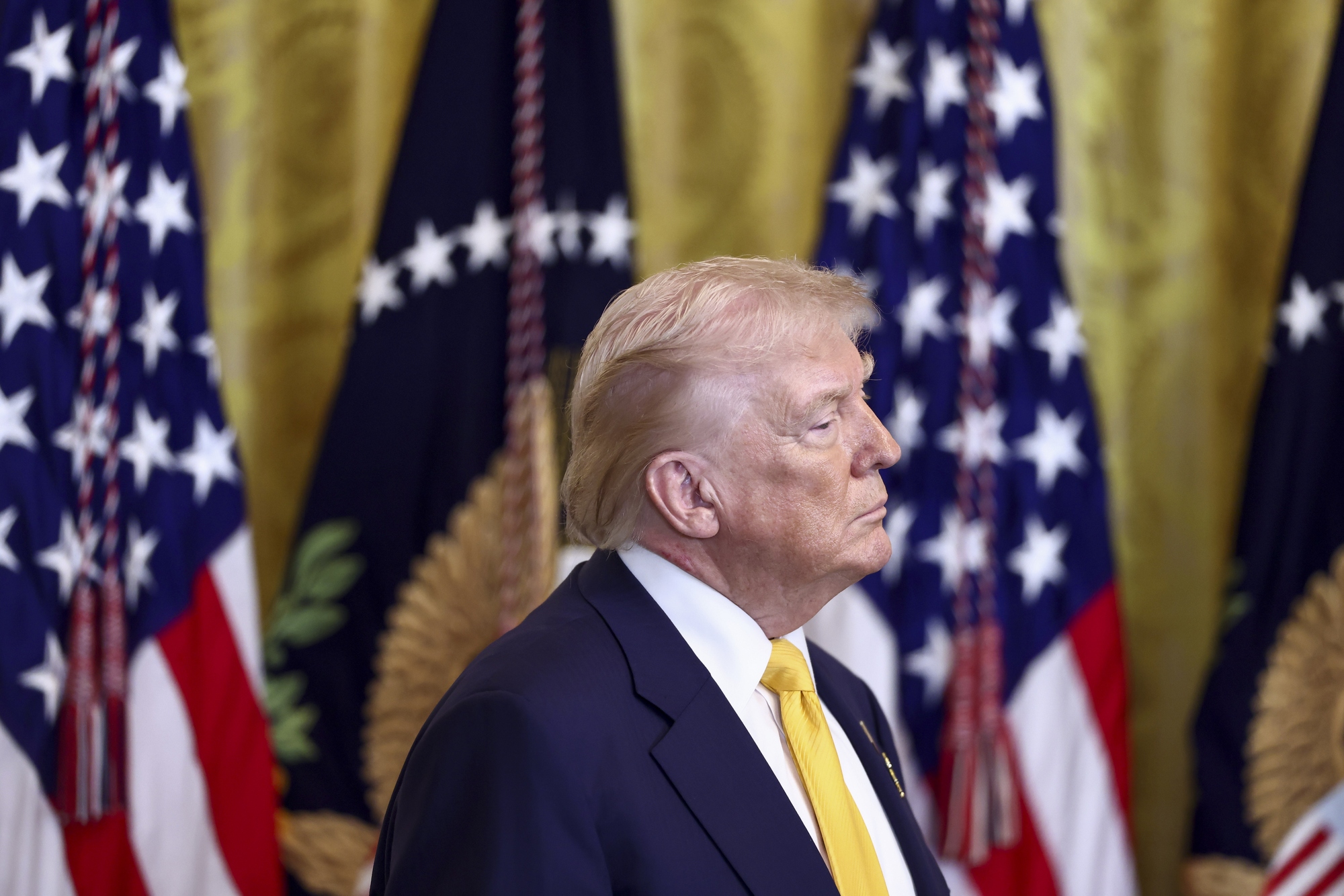
Current picture
According to CNN, U.S. forces are on standby to strike Iran as soon as this weekend, although President Donald Trump has not yet issued a final order. Sources close to the situation say there has been a significant buildup of air and naval assets in the Middle East, and some aircraft and refueling tankers from bases in the United Kingdom are moving closer to the region.
"He is spending a lot of time thinking about it."
— a source familiar with the matter
National security meetings have been held at the White House; according to reports, special representative Steve Witkoff and Jared Kushner were also involved in the discussions, briefing the president on indirect talks in Geneva. There is no confirmation yet that a decision will be made before the weekend.
What Iran is doing
Satellite analysis and reports from the Institute for Science and International Security record fortification of some nuclear sites — concrete berms and other protective measures around key facilities. This indicates Tehran's readiness for potential military escalation or attempts to minimize infrastructure losses.
Calendar factors and diplomacy
A number of calendar events could affect the timing: the end of the Winter Olympics and the start of Ramadan. Some European officials believe a strike before the end of the Olympics is unlikely; allies in the Middle East have also expressed concern about a strike during the holy month, fearing regional destabilization.
Analysis: why this matters for Ukraine
The U.S. decision on a strike against Iran is not just a regional story. Escalation could divert partners' diplomatic and military resources, affect energy markets and the Alliance's security priorities. For Ukraine this means: attention to signals from Washington and Brussels becomes even more important, as a shift in partners' external focus could affect the speed and nature of the support we receive.
Social and political context
According to reports, Trump is wavering — he is discussing options with advisers and allies and has not yet secured clear support from Congress or broad public backing for a major operation. Analysts at Axios warned of a scenario involving a large-scale operation, but a series of diplomatic contacts in Geneva has shown that a negotiating channel is working, and this could influence the final decision.
Brief conclusion
At this stage a delay is more likely than an immediate strike: military readiness exists, but the final order depends on political deliberation in the White House and signals from allies. For Ukraine the key is to monitor force movements, diplomatic channels and the impact of events on the geopolitical priorities of our partners.



