The U.S. Isn't Leaving NATO — Rubio Urges Europe to Bolster Its Defenses. What Does This Mean for Ukraine?
Reuters — the movement of units and the transfer of command posts is not a "withdrawal" by the US, but the launch of a reallocation of responsibilities within NATO. We analyze how this will affect Europe's security and what Ukraine should demand from its partners.

By Tetiana Suchkova-Ladik
February 15, 2026 · 2 min read
US Position: not a withdrawal, but a redistribution
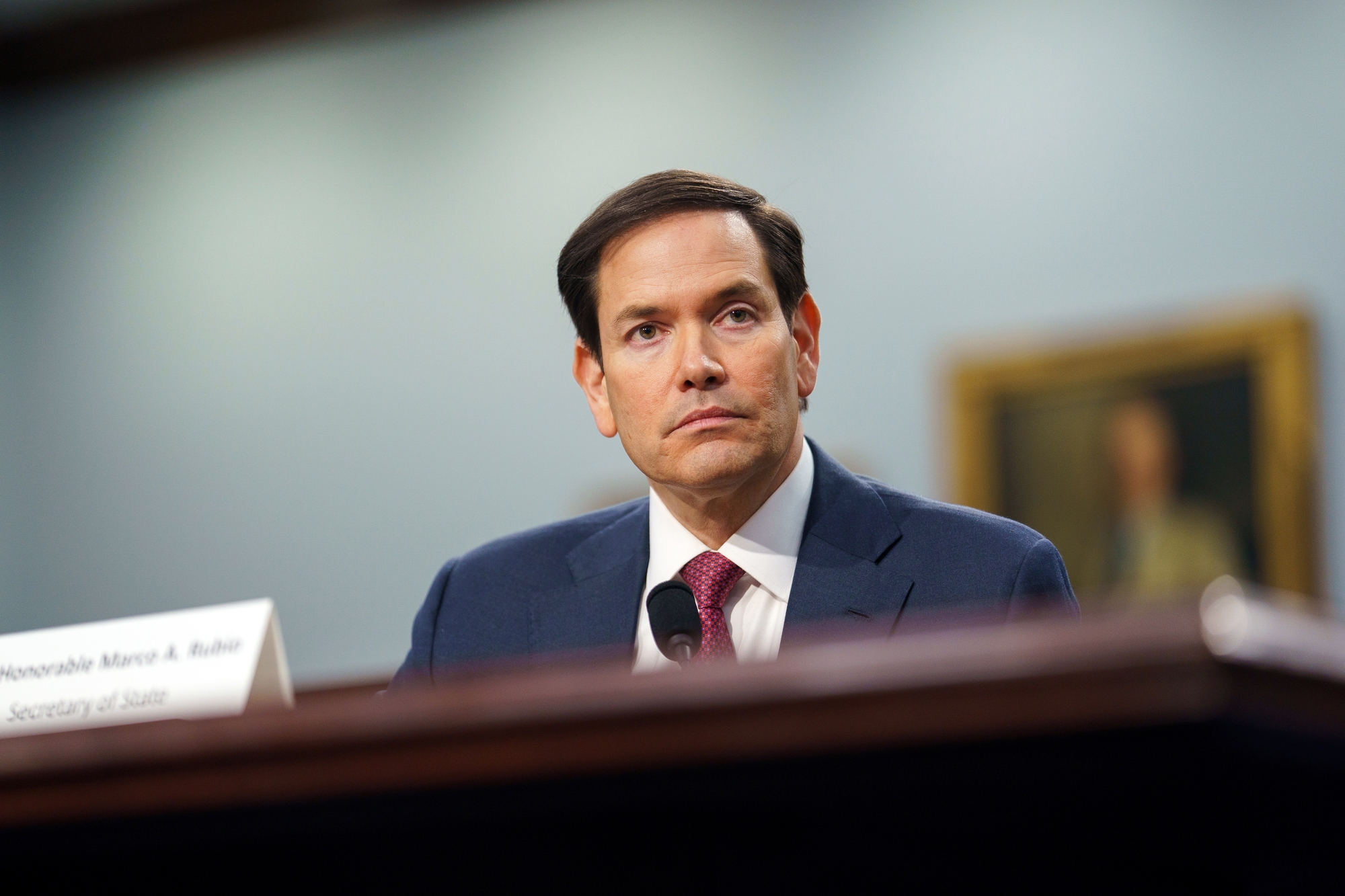
In high diplomacy, concrete steps matter more than loud statements. At a February 15 press conference, Senator Marco Rubio emphasized that the US is “not leaving” NATO, and that calls to strengthen European defense should be seen as an attempt to redistribute the security burden among transatlantic partners. This matters now because it’s not only about diplomacy, but about combat readiness and logistics that directly affect the ability to defend Ukraine.
"We are not leaving NATO. We are not going away. We can move a few thousand servicemembers from one country to another, but it has always been that way"
— Marco Rubio, US Senator
What is being proposed
Rubio described an evolution of roles within the Alliance: Europe’s defensive capabilities are strengthening, for which European capitals will be responsible, but within the framework of NATO's collective defense system. In his view, the stronger the allies, the stronger the entire Alliance — a thesis that has practical meaning for Ukraine, because more European capabilities mean faster and more reliable support on the ground.
"We are not asking Europe to be a vassal of the United States. We want to be your partner. We do not view it negatively that other countries have greater influence in NATO"
— Marco Rubio, US Senator
Facts to note
According to Reuters, this also involves transferring two NATO command posts to European partners — Naples and Norfolk. In January, The Washington Post and Reuters reported plans to cut about 200 positions in NATO structures responsible for planning military and intelligence operations. These steps look not like a walkout, but like a reformatting of the institutional architecture of the Alliance.
What this means for Ukraine
Positive: a stronger European defense increases the resilience of neighboring theaters and reduces response times to threats, which directly strengthens Ukraine’s security. More European forces and command resources mean additional channels of support, military logistics, and planning.
Risks: redistributing responsibilities requires coordination. If declarations do not turn into funding, production capacity, and concrete contingents, then a mere line of words may remain without practical backing.
Conclusion
Rubio’s declaration and the related Reuters/WP steps are a signal: the transatlantic alliance is reforming, not collapsing. For Ukraine, it is important to turn these signals into concrete guarantees — increasing capabilities in Europe must be accompanied by clear commitments on arms deliveries, training, and rapid logistical chains. Whether partners can turn words into capabilities is a matter of time and persistent diplomacy.



