US begins withdrawal from Kasrak base — what it means for stability in northeastern Syria
In high diplomacy, it's not loud statements but quiet steps that matter: Reuters reports the start of a withdrawal of U.S. forces from the main base at Kasrak. We examine why this matters and what risks it could pose to the fight against ISIS and to regional security.

By Tetiana Suchkova-Ladik
February 23, 2026 · 2 min read
What happened
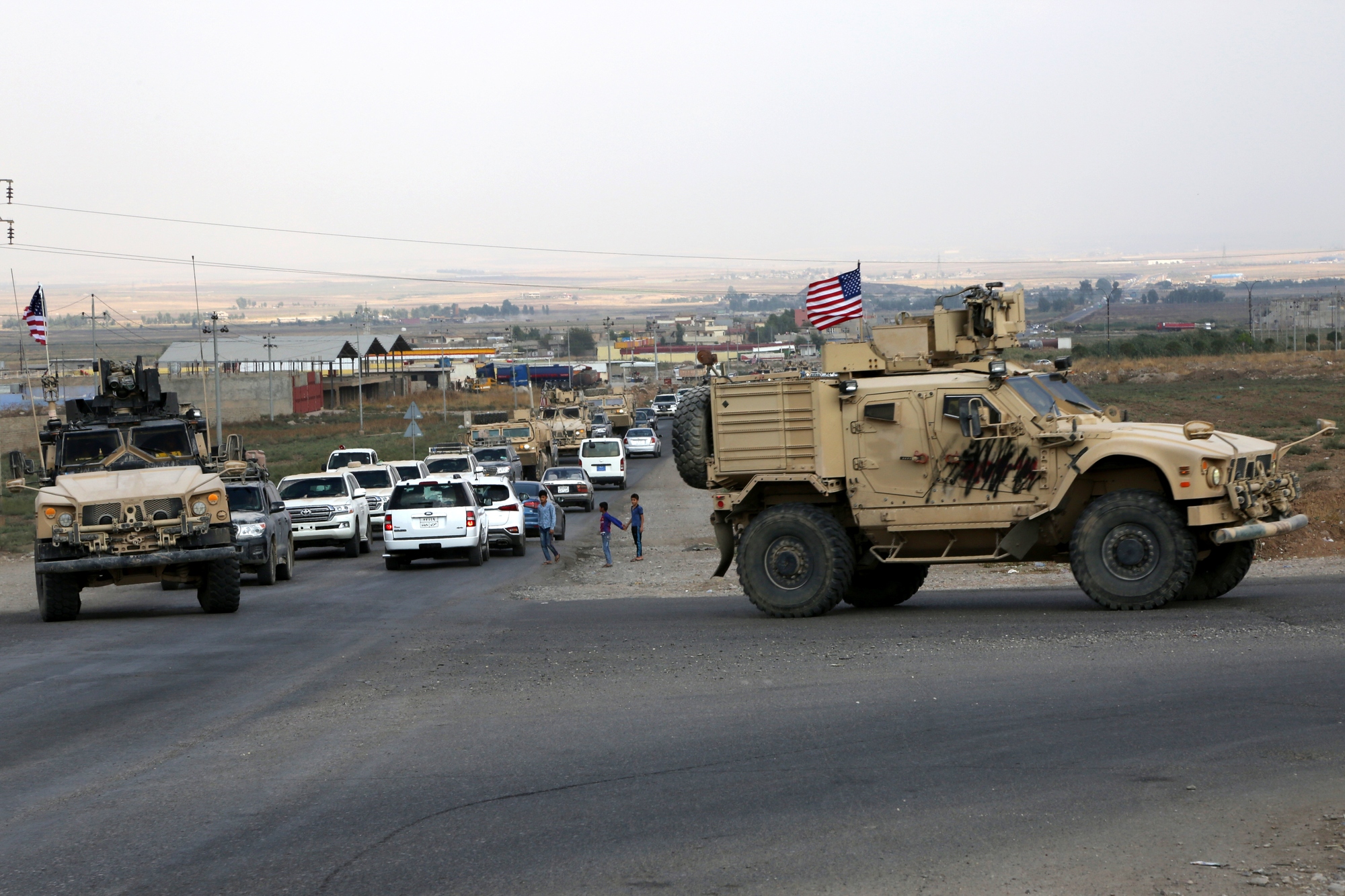
The Reuters agency, citing three sources in Syrian military and security structures, reported that on Monday the United States began withdrawing its forces from its largest base in northeastern Syria — Kasrak in Hasakeh province. Footage shows dozens of trucks, some carrying armored vehicles, moving toward Qamishli.
Context and course of the operation
According to sources, this is part of a broader redeployment of forces taking place against the backdrop of increased control by Syrian government forces over northeastern territories. If the withdrawal is completed, only one US-led coalition base will remain in the region — at Rmelan near the Iraqi border. US troops had been deployed at Kasrak for more than ten years and used it as the coalition's main hub in the fight against the Islamic State.
What official sources say
"We will not discuss the future force structure or troop numbers for operational security purposes."
— An unnamed Pentagon official
Reuters also cites two sources who gave different estimates of how long the operation will take: one said the withdrawal could last about a month, the other suggested a few weeks. There is no official confirmation yet on whether this is a temporary or permanent move.
"The troop withdrawal is expected to take about a month, but it is unclear whether this will be temporary or permanent."
— One of Reuters' sources
Why it matters
Security against ISIL: recent attacks, including an ambush on 13 December 2025 in Palmyra after which the US and Jordan carried out a series of strikes on ISIL targets, underline that the threat of a terrorist resurgence remains real. Pulling forces from a key location complicates monitoring and rapid response.
Balance of power and allies' policy: the movement of US units signals a shift in priorities or an adaptation to new realities on the ground. For allies it is a test — whether declarations of support will turn into lasting guarantees or remain limited in time.
Consequences for the region and lessons for Ukraine
For Ukraine this episode is an important reminder: even strong partners can change their military presence in response to geopolitical shifts. Maintaining defense capability, intelligence capacities and diplomatic channels are what allow one to offset fluctuations in allied presence.
Conclusion
The withdrawal from Kasrak is not only a tactical maneuver on the ground but also a signal of a new phase in the US operational presence in the region. The key question now is whether the international coalition can retain sufficient tools to deter ISIL and ensure stability. The answer will affect the security of the wider region — and that concerns more than just Syria's borders.



