US Reduces Crisis Commitments to NATO: What Lies Behind NATO Force Model
The Pentagon plans to officially notify its allies that it is allocating fewer forces to defend Europe in the event of a conflict. The mechanism through which this is done — the NATO Force Model — is unknown to most people, but it is precisely this that determines who and how many troops each nation deploys in response to an attack on an ally.

By Tetiana Suchkova-Ladik
May 20, 2026 · 3 min read
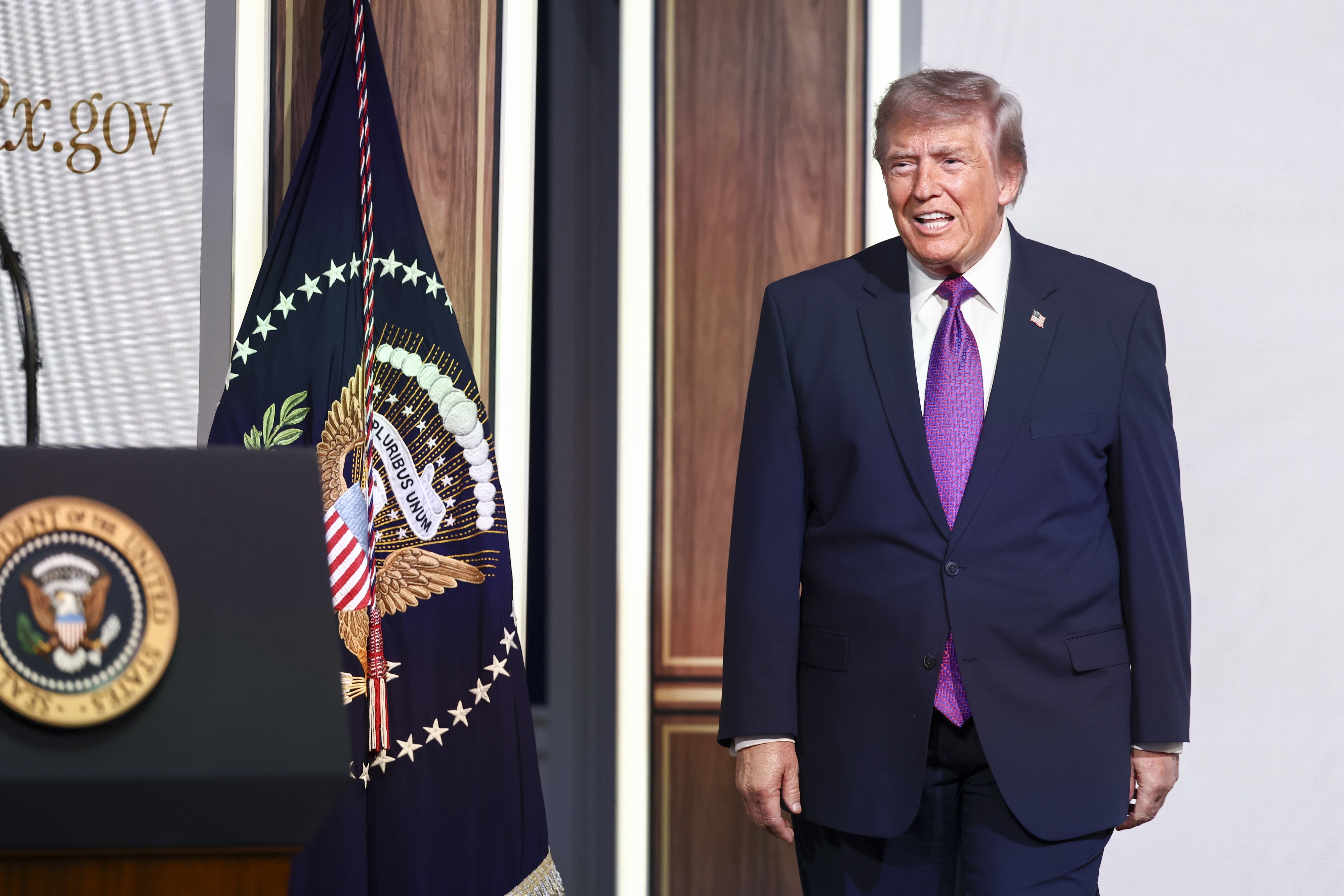
When people talk about "US commitments to NATO," they usually mean Article 5 — the principle of collective defense. But there is another, less public level: the NATO Force Model — a system in which each member country specifies a concrete pool of forces that can be activated during a major crisis. It is precisely this pool that the USA plans to significantly reduce.
What is happening
The Trump administration plans to inform NATO allies that it is reducing the pool of military capabilities that the US could provide to the alliance in the event of a major crisis — Reuters learned this from three anonymous sources. The announcement is planned for a meeting of defense policy leaders in Brussels on May 22; the US will be represented there by Alex Velez-Green, a senior adviser to Deputy Defense Secretary Elbridge Colby.
The NATO Force Model is a framework system in which member countries define a pool of forces that can be deployed during a conflict or other major crisis, including an armed attack on one of the alliance's members. The exact composition of these wartime forces is classified, but the Pentagon has decided to significantly reduce its commitments.
Broader context: not the first sign
The Pentagon has already announced a reduction in combat brigades in Europe from four to three. In addition, a few days earlier, the Pentagon halted a planned rotation of about 4,000 American soldiers to Poland, which caused concern in Warsaw and criticism from members of Congress. This concerns the 2nd Armored Combat Brigade Team of the 1st Cavalry Division, which was supposed to deploy to Polish and eastern flank positions as part of a standard nine-month NATO rotation.
Overall, in 2025 there were more than 80,000 American military personnel in Europe — as part of the collective defense system that emerged after World War II.
Washington's logic
"Essentially, we are saying: as the European pillar of the alliance becomes stronger, it allows the US to reduce its presence in Europe and limit itself to only those critical capabilities that allies cannot yet provide on their own"
— General Alexus Grinkevich, Supreme Commander of NATO Forces in Europe, press conference in Brussels
Adjusting the NATO Force Model has become a key priority for Colby's team in preparation for the next NATO leaders' summit, which will be held in Turkey in July. At the same time, despite pressure on Europe to increase conventional forces, Colby previously stated that Washington would "firmly oppose" allies developing nuclear weapons to replace the American nuclear umbrella.
What this means in practice
- For the eastern flank: countries such as Poland and the Baltics, whose security relies most heavily on American reinforcement, find themselves in a situation where paper guarantees remain, but the actual pool of forces behind them is shrinking.
- For defense spending: the reduction is presented as an incentive for Europe to build up its own capacity, but details remain unclear — in particular, how quickly the Pentagon plans to transfer crisis responsibilities to European allies.
- For the July summit: a decision on the NATO Force Model could become the main test of whether Europe is able to publicly accept a new security architecture — or openly reject it.
If at the summit in Turkey Europe formally agrees to the new model of responsibility-sharing without having the real capacity to fill it — this is no longer a question of rhetoric about "strategic autonomy," but a concrete gap in defense in case of crisis.



