U.S. pressures NATO: why Ukraine and four other partners may not be invited to the summit in Ankara — consequences for Kyiv
Politico reports that Washington lobbied to limit partners' participation at the NATO summit on July 7–8. We explain why this matters for Ukraine's security and diplomacy — and what to do next.

By Tetiana Suchkova-Ladik
February 19, 2026 · 2 min read
Brief and important
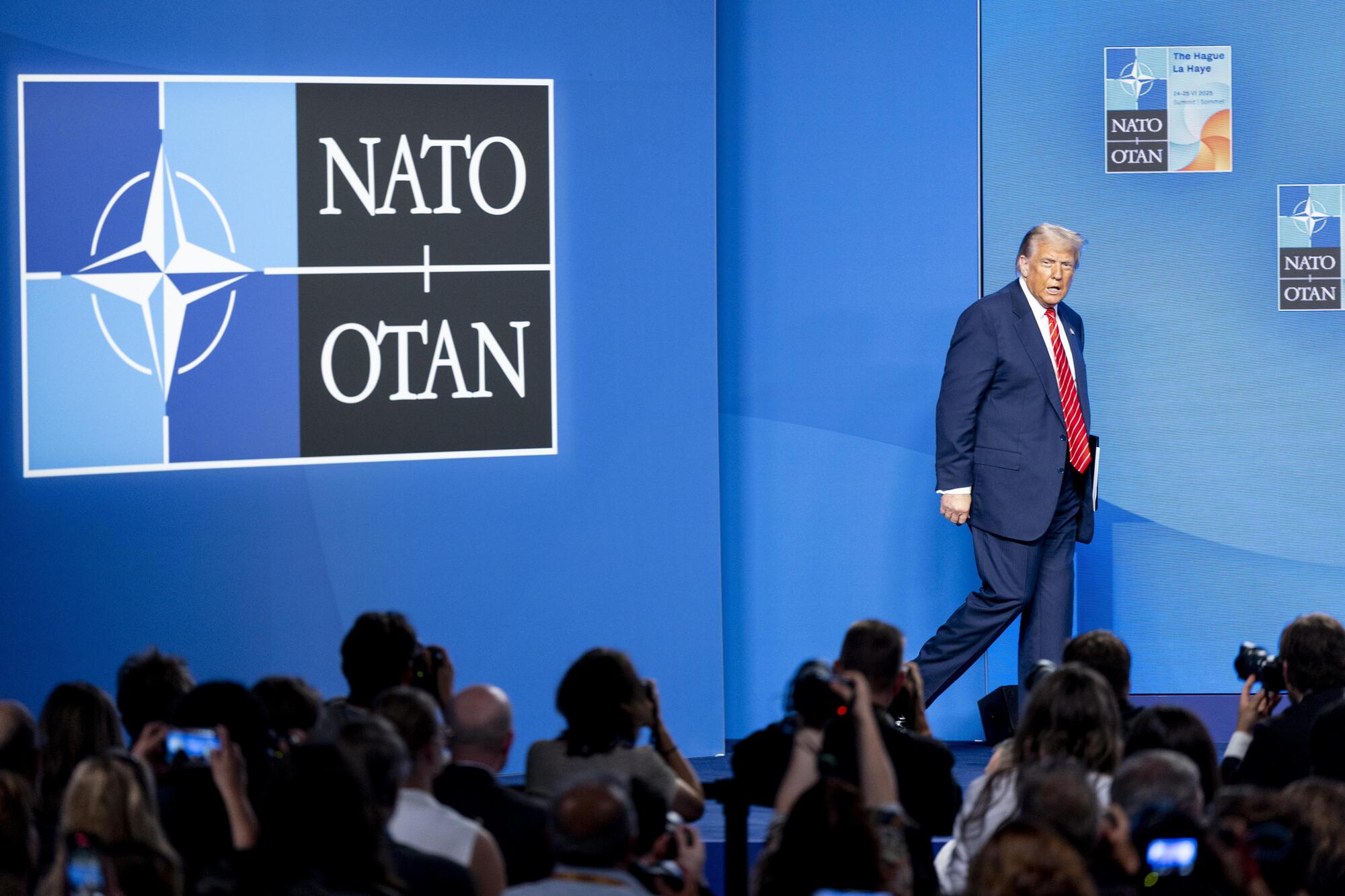
According to Politico, in recent weeks the United States has pressed NATO to limit the presence of several external partners at the summit in Ankara on July 7–8 — among them Ukraine and four Indo-Pacific states (Australia, New Zealand, Japan, South Korea). If confirmed, the decision would affect not only the symbolism of support but also Kyiv’s opportunities to negotiate practical assistance during high-level discussions.
What exactly happened
Politico, citing unnamed sources, reports on White House initiatives to reduce certain NATO external mandates (notably missions in Kosovo and Iraq) and pressure to prevent a number of countries from participating in the summit’s main official meetings. At the same time, diplomats say these countries may be invited to side events and fringe meetings.
"The presence of partner countries on the sidelines of the summit will send a signal that perhaps the main focus is on NATO’s core issues."
— Oana Lungescu, former NATO spokeswoman, senior fellow
An Alliance spokesperson meanwhile said: "The Alliance will announce partners' participation in the summit at the appropriate time", leaving room for diplomatic maneuvering.
Why the U.S. is doing this — a rational explanation
The decision to review the format and invitations is rooted in a broader reassessment of Washington’s foreign policy: the Trump administration aims to concentrate on "core national security issues," reduce NATO’s expanding role in global crises and cut foreign commitments. Journalists say this also reflects a desire to make the summit more compact and focused on Euro‑Atlantic matters.
What this means for Ukraine
First, a reduced official role carries the risk of losing a public platform to demonstrate international support and to hold direct negotiations over supplies, financing, or guarantees. Second, even if Kyiv is given a place at side events — that is not the same as participation in the main discussions where political signals and agreements are made.
Experts and analysts note that symbolic visibility often converts into concrete resources: from timely decisions on armaments to long‑term political guarantees. Therefore, for Ukraine it is important not only to fight for an invitation but also to develop concrete mechanisms for participation in key negotiations.
Context and earlier signals
Earlier, Italian agency ANSA reported an alleged U.S. unwillingness to invite Zelensky; the U.S. Secretary of State denied those reports. The NATO Secretary General was asked to await the official summit program. The Ukrainian president had other opportunities this year to speak on international platforms, but the July summit’s format will determine how publicly and directly the country can mobilize partners.
Summary and forecast
This decision is not just about summit etiquette. It reflects a broader shift in U.S. foreign policy priorities and could accelerate a restructuring of NATO’s role in global crises. For Kyiv the implication is simple: it must quickly turn diplomatic contacts into concrete agreements and use any available platforms — official or parallel — to secure material and political support.
Now the ball is in the partners’ court: declarations must become signed contracts, and strategic visibility must become guaranteed decisions. Whether Kyiv can retain this space of influence amid the reorientation will be revealed in the next round of negotiations.



