Shooting in Minneapolis: ICE Agent Fatally Shoots Female Protester — What It Means for U.S. Politics and Security
During a protest against U.S. Immigration and Customs Enforcement in Minneapolis, an ICE agent shot a woman. We lay out the timeline, the official reaction, and the potential consequences the incident may have for immigration policy and public trust in law enforcement.

By Tetiana Suchkova-Ladik
January 8, 2026 · 2 min read
What happened
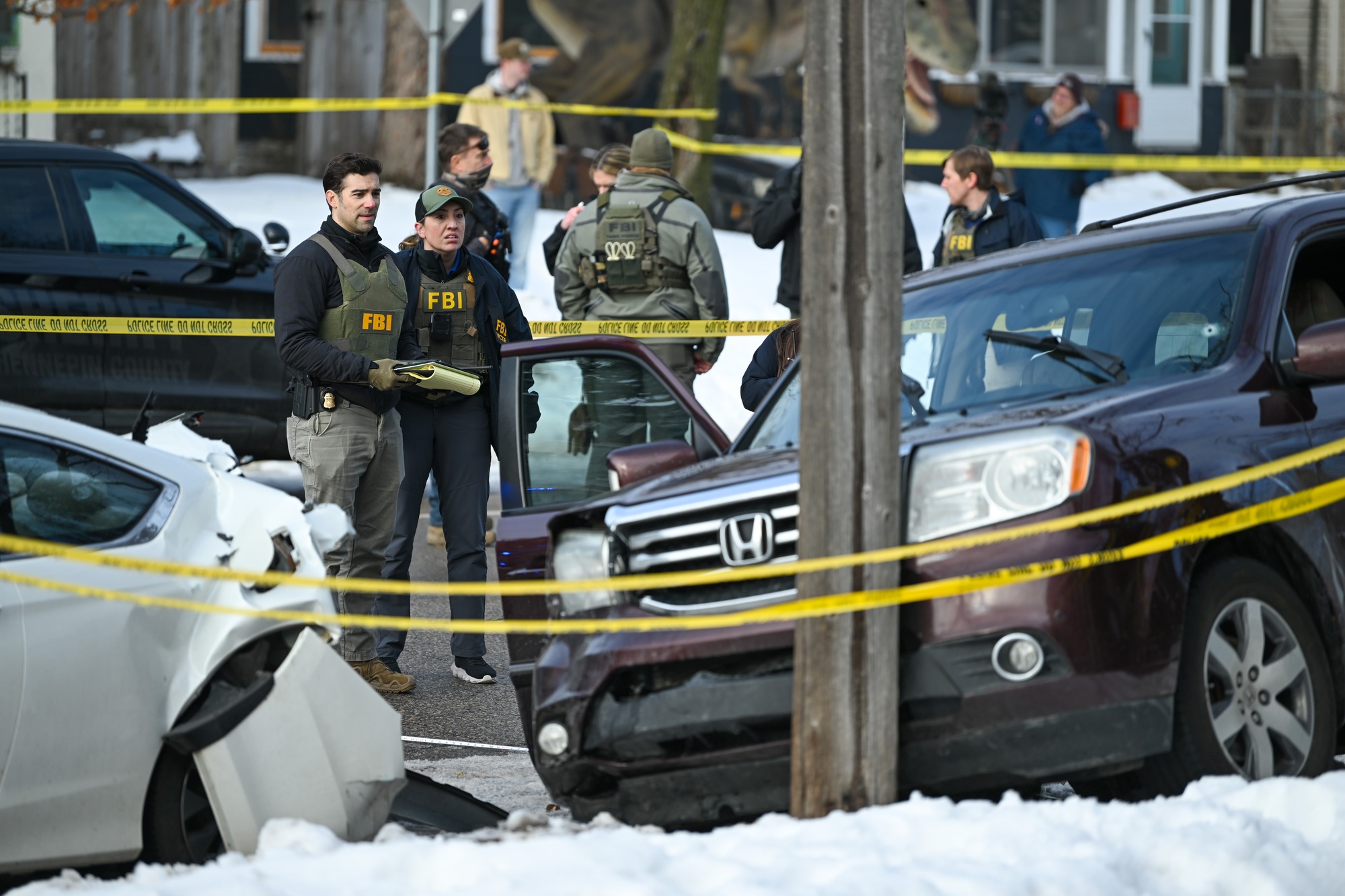
On January 7 at 10:26 a.m. local time (6:25 p.m. Kyiv time) in Minneapolis, during a protest against the actions of the U.S. Immigration and Customs Enforcement (ICE), an agency employee shot a woman. According to DHS (in a post on X) and CNN, 37‑year‑old Rene Good died of her injuries; she is survived by a six‑year‑old child.
Official statements
In a statement, the Department of Homeland Security said that there are injured ICE employees — their lives are not in danger. President Donald Trump reviewed video of the incident and described it as "horrific," while blaming such incidents on the "radical left," who he said are obstructing law enforcement.
"I reviewed the video — it's horrific. She was acting very erratically, obstructing and resisting, and then cruelly, deliberately and maliciously rammed into an ICE officer."
— Donald Trump, President of the United States
"There are injured ICE employees — their lives are not in danger."
— U.S. Department of Homeland Security (DHS), post on X
Context: why this matters
The incident occurred during a protest aimed at blocking or drawing attention to ICE operations. Such clashes deepen the political polarization surrounding immigration policy and the work of law enforcement. Analysts note that the administration's reaction and leaders' rhetoric shape public perception of institutions and can accelerate or hinder legislative initiatives on oversight of agencies' activities.
Practical consequences: increased scrutiny of officers' actions, an investigation into the incident, and pressure from human rights organizations and political opponents. In the wake of recent instances of violence in the U.S. (for example, the December 13 shooting at Brown University, after which the administration suspended the DV1 program), questions of security and entry screening are once again central to the debate.
What’s next
The investigation will determine legal responsibility, but it is already clear that this case has again become a litmus test of public trust in the U.S. law enforcement system. For international partners, including Ukraine, it is important to watch not only individual statements but whether public reactions turn into concrete reform measures and guarantees of protection for citizens' rights.
Sources: statement from the Department of Homeland Security (DHS) on X, reporting by CNN.



