Sibyga ordered consuls to protect Ukrainians after attack in Poznań
Time to respond: after the attack on a tram in Poznań, the Ministry of Foreign Affairs ordered consuls in Wrocław to immediately protect our citizens. The police have detained suspects — a signal that everyone is already discussing.

By Tetiana Suchkova-Ladik
December 16, 2025 · 2 min read
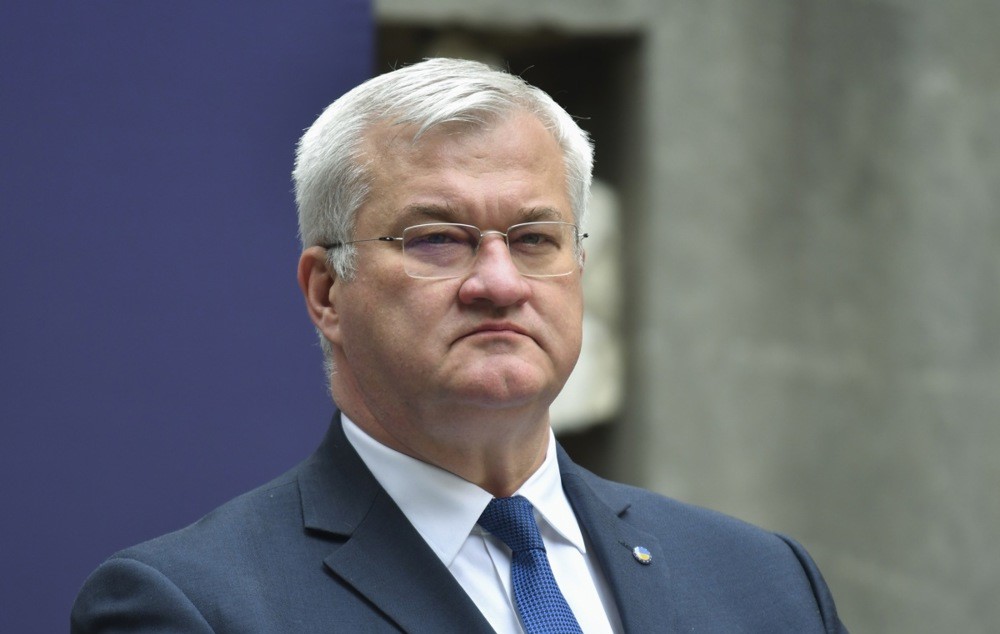
Time to face the truth: the situation is serious but under control. When our people suffer violence even in European cities, it touches each of us — those forced to live abroad and those who defend our common home.
What happened
In Poznań, two Ukrainian citizens were subjected to verbal insults and a physical attack on a tram. The incident began with derogatory remarks based on nationality and escalated into a beating. The police responded promptly: on December 14 two suspects were detained, both 27 years old, one from Poznań and the other from a nearby suburb.
Reaction and Kyiv's actions
Foreign Minister Andriy Sybiha called the event "outrageous" and instructed Ukrainian consuls in Wrocław to intervene immediately — to clarify the circumstances and ensure the victims' protection. The Consulate General is in contact with local law enforcement and is keeping the situation under control.
"Verbal and physical threats motivated by national intolerance are absolutely unacceptable and require a strong response"
– Andriy Sybiha, Minister of Foreign Affairs
Sybiha also thanked Polish law enforcement for their swift response and expects the perpetrators to be held accountable. This is a direct demonstration that protecting our citizens is a diplomatic priority.
This is more than an isolated incident
According to Western analysts and insiders, such incidents cannot be regarded as accidental: they fit into a troubling trend of attacks on Ukrainians in Poland and elsewhere in Europe. The world is shocked — and everyone is discussing how partner countries will react to protect the rights of our people.
Reminder: this year there have already been recorded attacks on Ukrainians in Poland — in September there were reports of a group assault and nationality-based insults, as well as another incident in which a man was detained for beating a woman who had stepped in to defend an elderly Ukrainian woman. These incidents create a painful picture that cannot be ignored.
This incident is a historic moment testing solidarity and the readiness to protect our people abroad. Our diplomats and law enforcement are acting swiftly; this should serve as a signal to partners and a warning to those who think they can terrorize our compatriots. Everyone concerned with the safety of Ukrainians abroad is now closely following developments.



