Sybiha on Maduro: Ukraine defends the right to democracy — what this means for the international order
Foreign Minister Andriy Sybyha has directly linked the events in Caracas to the standards Ukraine is fighting for. We explain why the statement matters right now and what consequences it could have for the recognition of regimes and for international law.

By Tetiana Suchkova-Ladik
January 3, 2026 · 2 min read
Why this matters
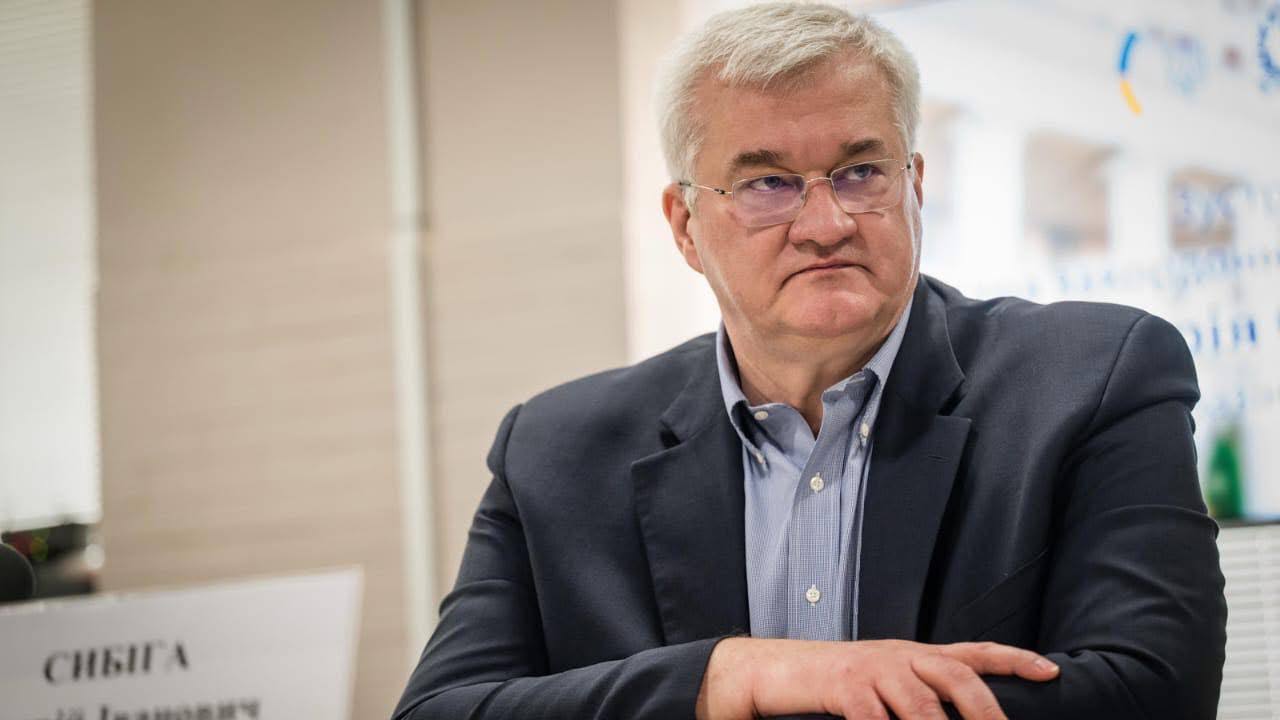
The reaction of the Ukrainian MFA is not an emotional gesture, but part of a positioning strategy: the protection of human rights and democracy is not only a moral category for Kyiv, but also a fundamental instrument in international politics. Andriy Sybiha's statement appeared against reports of nighttime explosions in Caracas and claims of Nicolás Maduro's detention — which gives it practical weight on questions of recognition and legitimacy.
What Sybiha said
"Ukraine consistently defends the right of peoples to live freely, without dictatorship, oppression and human rights violations... The people of Venezuela must be able to live a normal life, to have security, prosperity and human dignity. We will continue to support their right to such normality, respect and freedom."
— Andriy Sybiha, Minister of Foreign Affairs of Ukraine
What is happening in Caracas
On the night of January 3, explosions, partial power outages and aircraft overflights were reported in the Venezuelan capital. The CBS News channel reports alleged airstrikes in the region; U.S. President Donald Trump said that Maduro was "captured and taken out of Venezuela." These reports, at the time of the ministry's statement, require further independent verification and official confirmation.
Why Ukraine's reaction matters
1) Recognition precedent. Declarations about the illegitimacy of regimes define subsequent diplomatic steps: sanctions, work with refugees, access to frozen assets. For Ukraine — a country that itself faces issues of sovereignty — this is a matter of principle.
2) Moral and legal frame. When countries and human-rights organizations document systemic violations (tyrannical practices, election fraud, repression), the international community gains grounds for collective action. Sybiha's statement positions Ukraine alongside those voices.
3) Geopolitical signal. Support for the right to democracy is also a signal to allies and opponents: Ukraine demonstrates that its interests extend beyond its own region and align with the standards it defends on the international stage.
What's next
After such statements, practical steps matter more than words: will partners increase diplomatic pressure, will new sanctions be introduced, will the status of diplomatic recognition change. Ukraine has already taken a clear principled position — now the question for international institutions and allies is whether they will turn declarations into concrete action.
While sources on the events in Venezuela remain partly contradictory, the Foreign Ministry's position demonstrates one obvious thing: for Kyiv, the issues of democracy and human rights are not an abstraction but an element of real foreign policy. How the world reacts will determine the future balance of legitimacy in the region.



