Sybiha: Putin Is Losing Allies — What It Means for Russia’s Standing and Ukraine’s Prospects
In high diplomacy, it’s not loud statements but quiet agreements that matter. Foreign Minister Andriy Sybiha says Russia is losing influence — we examine why this is important for Ukraine’s security and international support.

By Tetiana Suchkova-Ladik
March 1, 2026 · 2 min read
What the minister said
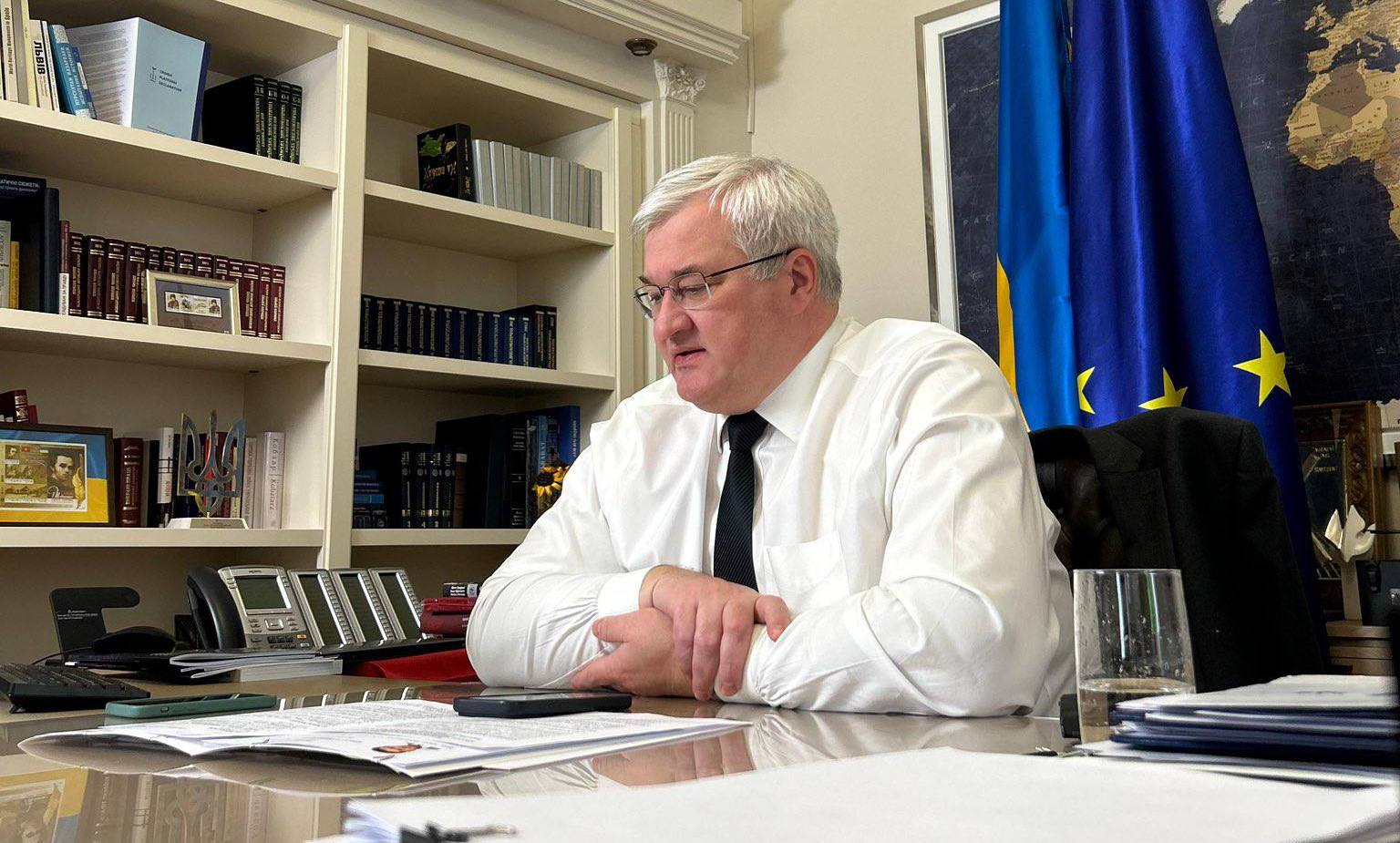
Ukraine's Minister of Foreign Affairs Andriy Sybiha commented on recent shifts in international alliances and said that Russia has lost several close allies over the past year. According to him, this shows that Moscow is no longer a reliable partner even for countries that previously relied on it.
"Assad, Maduro, and now Khamenei. Putin has lost three of his closest friends in a little more than a year. He also did not help any of them"
— Andriy Sybiha, Ukraine's Minister of Foreign Affairs
Why this matters
Loss of allies has several dimensions that directly affect Russia's strategy and Ukraine's options:
- Diplomatic isolation: fewer reliable partners means less diplomatic protection in international institutions and negotiations.
- Economic and military supply lines: losing key contacts complicates access to resources and logistics, undermining the ability to sustain prolonged aggression.
- Reputational effect: when a regime loses external patrons, it increases international pressure and raises partners' willingness to support measures against the aggressor.
Analysts at Western research centers note that this combination—diplomatic isolation plus restricted access to resources—is gradually eroding regimes' capacity to conduct long-term external operations.
What to check in reports
The information flow during a crisis is often contradictory. Reports about the deaths of leaders or large-scale military strikes require additional verification. Key steps for the reader:
- Look for confirmation from several independent agencies and official sources.
- Separate politicians' positions (comments, assessments) from verified facts.
- Keep in mind that statements serve a deliberate political function—they push toward specific international decisions and reactions.
Implications for Ukraine
If there is indeed a noticeable weakening of the Kremlin's external ties, Ukraine gains several practical opportunities:
- Consolidating partner support: tools of pressure on the Kremlin are easier to coordinate with states that are already distancing themselves from Russia.
- Strengthening sanctions and isolation: diplomatic isolation is accompanied by legal and economic consequences that weaken the aggressor's resource base.
- Enhancing the information campaign: a well-argued, verified narrative about Moscow's responsibility helps mobilize partners' public opinion.
"Together we must make every effort to bring this joyous day closer and ensure accountability for all Russian crimes. Justice is inevitable"
— Andriy Sybiha, Ukraine's Minister of Foreign Affairs
Summary
Sybiha's stance is not mere rhetoric: it is intended to show the trajectory of changes in international support. For Ukraine the task is clear—turn the Kremlin's diplomatic weakness into concrete steps: additional aid, tougher sanctions, and international legal initiatives. Whether this succeeds depends on how convincingly and consistently our partners act and how quickly we gather and present the necessary evidence and arguments.



