Tuesday, May 26, 2026
Today's Edition

EveryNews

Stories that matter, signal over noise

Politics

Sibiga: Putin again used Orbán as an accomplice in his terror

Foreign Minister Andriy Sibyha said that Putin used Hungarian Prime Minister Viktor Orbán as an accomplice in terror. Russia launched a massive attack on Kyiv immediately after Orbán's visit and talks about peace.

Oleg Bazylewicz

By Oleg Bazylewicz

November 29, 2025 · 1 min read
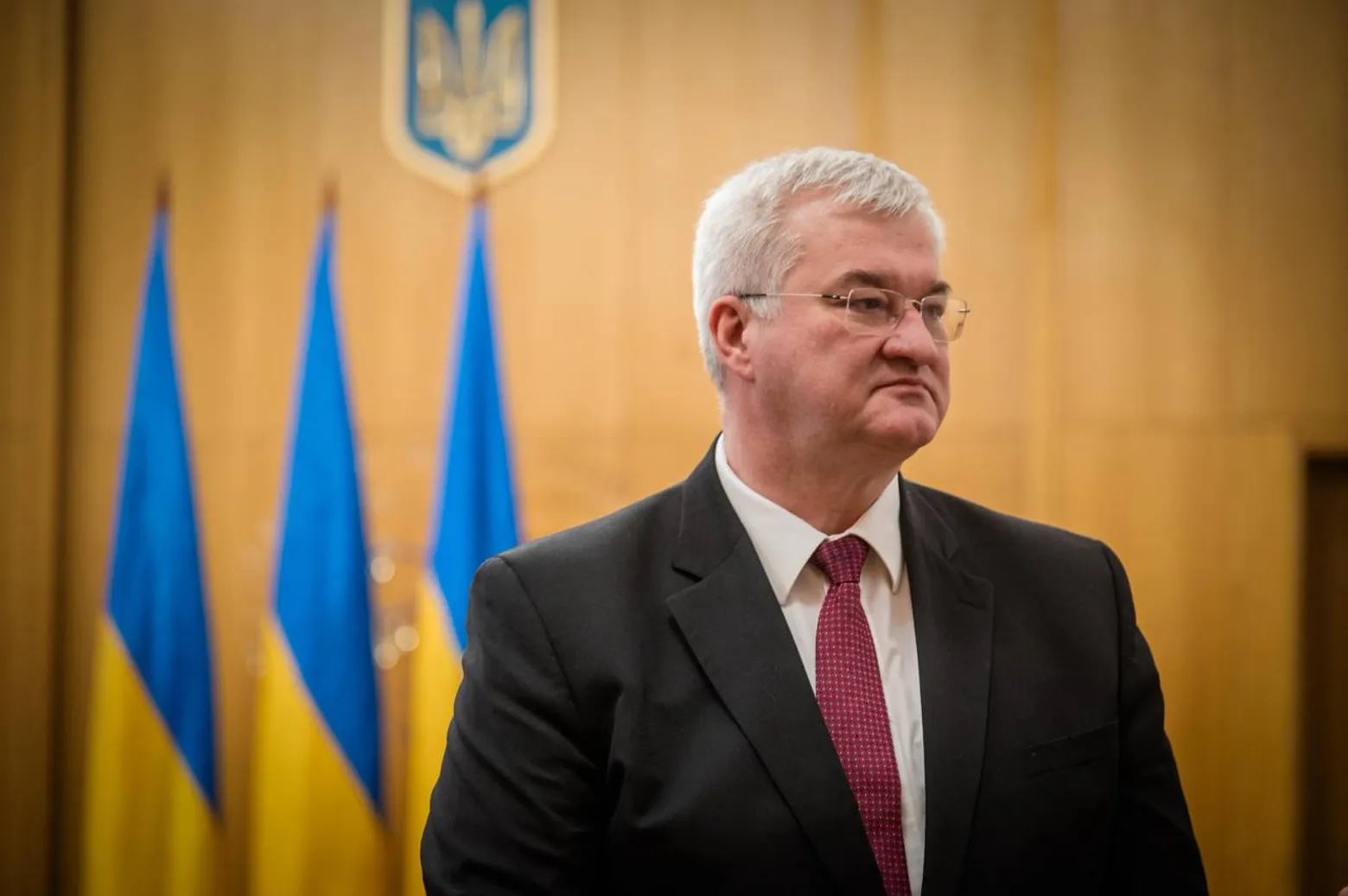
Sibiga: Putin again used Orbán as an accomplice in his terror

Foreign Minister Andriy Sybiha called it telling how the Russian dictator Vladimir Putin used Hungary's Prime Minister Viktor Orbán as an accomplice in his terror. The head of diplomacy made the statement while commenting on the overnight Russian attack.

Sybiha noted that Russia launched dozens of cruise and ballistic missiles and more than 500 drones at residential buildings, the power grid and critical infrastructure.

A war plan instead of peace talks

According to the minister, while everyone is debating points of peace plans, Russia continues to implement its "war plan" of two points: to kill and to destroy.

"It is also telling how Putin again used Viktor Orbán as an accomplice in his terror. In 2024, after Orbán's visit to Moscow, Russia carried out a horrific strike on the children's hospital 'Okhmatdyt' in Ukraine."

– wrote the foreign minister.

Orbán as an actor in a bloody performance

This time the aggressor state massively attacked Kyiv immediately after Orbán's visit and empty talk of "peace." Sybiha believes that Putin "uses such politicians as actors in his bloody performance."

He emphasized that the Russian dictator wants to continue the war at any cost. In the minister's view, the international community has the means to make that cost unbearable for him.


Related

Latest

Business

EU Against Google: Why the Latest Fine Could Change More Than Previous Ones

# European Regulators Target Google Again — This Time Over Digital Markets Act Violations. What's Behind the Accusations and Why It Matters Beyond the Corporation European regulators have renewed their scrutiny of Google, this time focusing on alleged violations of the Digital Markets Act. The charges underscore Brussels' increasingly aggressive stance on big tech monopolies and what officials say are anticompetitive practices. The accusations center on how Google leverages its dominance across multiple digital services — from search to advertising to mobile platforms — to disadvantage competitors. Regulators claim the company is using its market power in ways that stifle innovation and limit consumer choice. The case carries significance far beyond Google itself. It signals how the EU is attempting to enforce its landmark Digital Markets Act, legislation designed to curb the gatekeeping power of tech giants. A potential penalty could set precedent for how other large technology companies face similar scrutiny. For consumers and smaller tech firms, the outcome could reshape the digital landscape by creating more room for competition. For Google, fines and operational restrictions could fundamentally alter its business model in Europe, the world's most stringent regulatory market. The case also reflects a broader geopolitical divide, with the EU pursuing a regulatory approach that contrasts sharply with the lighter-touch oversight favored in the United States.

May 26, 2026

